
We live in an era of curated perfection. The “tradwife” aesthetic sells a dream of rustic simplicity, but it is almost always powered by high-speed internet, hidden nannies, and a massive trust fund.
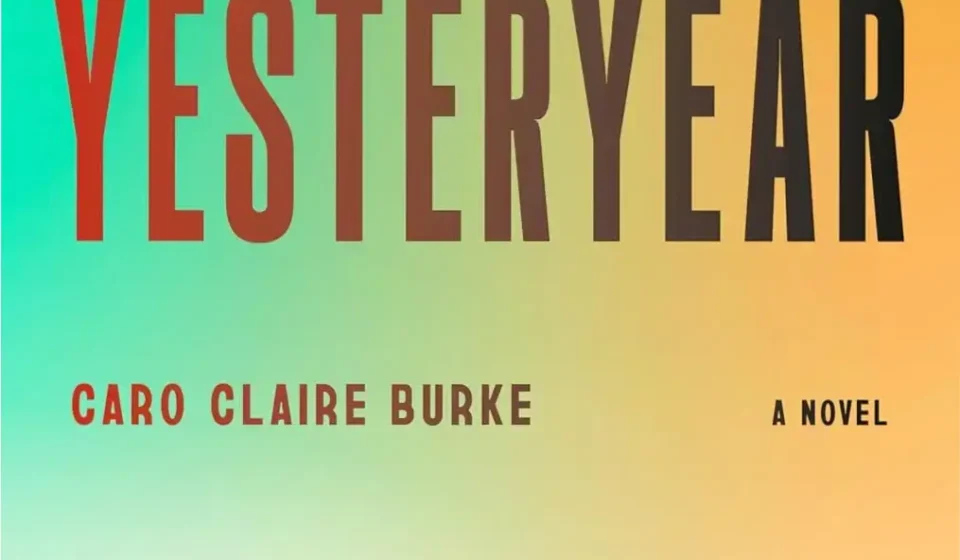
Yesteryear strips away the filter. It asks a brutal question: what happens when the performance of traditionalism becomes a permanent, punishing reality? You can check the current reader reception here to see how this satire is landing with the public.
- The Core Conflict: Digital vanity vs. historical survival.
- The Hook: A sudden, violent jump from Instagram to 1855.
- The Stakes: Escaping a nightmare that feels like a twisted reality show.
Most readers enter this book expecting a lighthearted time-travel romp. They quickly realize that Caro Claire Burke is not interested in whimsy; she is interested in a surgical dissection of modern femininity.
The book targets the friction between the “coastal elite” and the performative traditionalists. It transforms a social media trend into a psychological prison, making it a high-impact entry in the contemporary satire genre.
- Genre: Satirical Literary Fiction / Psychological Thriller.
- Market Impact: NYT Bestseller and GMA Book Club Pick.
- Primary Theme: The cost of the “ideal” womanhood.
Ready to dive into “Yesteryear: A GMA Book Club Pick: A Novel”?
Explore available editions, check current live pricing, or download a free sample directly on Amazon.
Preview Free Sample & Check Price on Amazon
*You will be redirected to Amazon. As an Amazon Associate, we may earn from qualifying purchases.
The Satirical Edge: Writing Style and Pacing
Burke’s prose is a weapon. She mirrors the hollow, airy language of influencer culture in the opening chapters, creating a sense of artificiality that makes the transition to 1855 feel like a physical blow.
The pacing is aggressive. Once Natalie wakes up in the past, the narrative sheds its “lifestyle blog” skin and adopts a claustrophobic, urgent tone that keeps the reader in a state of perpetual anxiety.
- Contrast: Shifts from “industrial-grade fridges” to “sputtering fires.”
- Tone: Biting, cynical, and occasionally darkly humorous.
- Rhythm: Fast-paced transitions between psychological dread and physical labor.
The author doesn’t allow the reader to settle. Just as you begin to accept the historical setting, Burke introduces doubts about the reality of the situation, questioning if this is a hoax or a divine test.
This creates a “gimlet-eyed” perspective on the plot. You aren’t just reading a story; you are analyzing the mechanisms of a trap, which mirrors Natalie’s own desperation to escape.
- Key Technique: Unreliable narrator dynamics.
- Emotional Hook: The horror of losing autonomy.
- Structural Choice: 400 pages of escalating tension.
The “Tradwife” Deconstruction: Core Themes
At its heart, Yesteryear
Who Should Actually Read This Book?
Yesteryear isn’t for the casual reader looking for a cozy historical escape. It is a sharp, cynical dissection of curated identity and the “tradwife” performance.
It appeals most to those who enjoy social satires with a dark edge, similar to the psychological tension found in Black Mirror or the gender critiques of The Stepford Wives.
- The Skeptic: Readers who find the modern “traditional lifestyle” trend on social media suspicious.
- The Literary Critic: Those who appreciate stories where the setting serves as a mirror for the protagonist’s internal collapse.
- The High-Concept Fan: People who love a “fish out of water” premise pushed to a brutal, psychological extreme.
Conversely, if you are seeking a romanticized version of the 19th century, stay far away. This book treats the era as a nightmare, not a postcard.
Avoid this purchase if you prefer linear, comforting narratives or if you find biting irony and dark humor off-putting.
- Skip if: You want a factual historical novel with academic rigor.
- Skip if: You are looking for a heartwarming story about family values.
- Skip if: You dislike narratives that challenge traditional gender roles.
Value Analysis & Investment
At 400 pages, the value lies in the pacing and the psychological payoff. It doesn’t waste time on fluff, moving quickly from the “perfect” present to the brutal past.
The “cost per insight” is high here. You aren’t just paying for a plot; you’re paying for a critique of fame, faith, and the performance of womanhood.
- Narrative ROI: High, provided you enjoy psychological tension over romantic resolution.
- Readability: Extremely high; the prose is designed to keep you “cackling and gasping.”
- Longevity: It’s a conversation starter, making it an ideal choice for book clubs.
A common purchasing mistake is treating this as a time-travel fantasy. This is a survival story disguised as a satire.
Don’t expect a guidebook on 1855; expect a visceral experience of what happens when a digital empire meets a world of manual labor and blood.
Quick Verdict FAQ
Is it a romance? No. It’s a study of power dynamics and the illusion of the “perfect husband.”
Is it historically accurate? It uses history as a tool for satire rather than a textbook for accuracy.
- Tone: Darkly funny, claustrophobic, and provocative.
- Main Theme: The gap between digital curation and physical reality.
- Ending: Designed to provoke thought rather than provide a neat bow.
Before committing, we suggest checking the real-time reader feedback and current pricing to see if the hardcover fits your budget. You can find the latest updates and user ratings at this official listing.
Final Editorial Verdict
“Yesteryear: A GMA Book Club Pick: A Novel” delivers on its core promise for its intended audience, offering compelling insights without fluff. As highlighted in our detailed edition breakdown, its practical depth and readability are its greatest strengths.
We also recommend checking the official Kindle sample and reader ratings before making your final purchase decision.