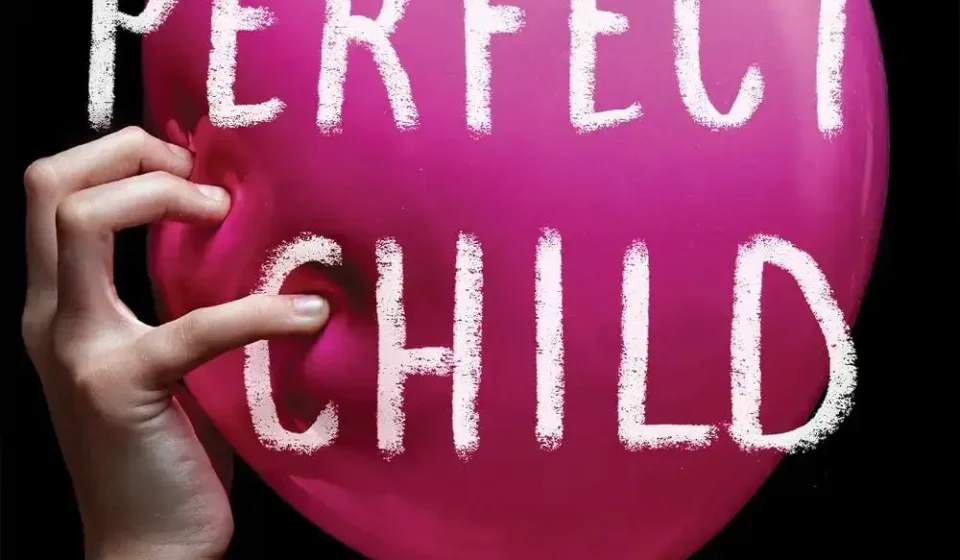

Most people enter parenthood with a curated mental image of “perfection.” We imagine the laughter, the milestones, and the unconditional bond. But what happens when the child you desperately wanted becomes the primary architect of your psychological collapse?
Lucinda Berry explores this nightmare in The Perfect Child, a narrative that strips away the romanticism of adoption to reveal a visceral study of manipulation. You can check the current reader reception and availability here to see if this brand of suspense fits your taste.
Ready to dive into “The Perfect Child”?
Explore available editions, check current live pricing, or download a free sample directly on Amazon.
Preview Free Sample & Check Price on Amazon
*You will be redirected to Amazon. As an Amazon Associate, we may earn from qualifying purchases.
The Mechanics of Dread: Pacing and Style
Lucinda Berry doesn’t waste time with flowery prose. Her writing is lean, almost clinical, which mirrors the medical backgrounds of the protagonists, Christopher and Hannah.
The pacing follows a classic “boiling frog” trajectory. It starts with a heartwarming rescue and slowly pivots into a claustrophobic domestic thriller.
The tension isn’t built through jump scares, but through the steady erosion of Hannah’s sanity. It is a slow-burn descent that makes the reader question who is actually losing their grip on reality.
“The horror isn’t in what Janie does, but in the fact that Christopher refuses to see it.”
This structural choice forces the reader into Hannah’s shoes. You feel the frustration of seeing a red flag that the other lead character chooses to ignore.
The “Perfect Family” Facade vs. Brutal Reality
The book leans heavily into the trope of the “picture-perfect” couple. A surgeon and a nurse. High status. High stability. But this stability is exactly what makes them vulnerable.
Christopher’s need to be the “savior” blinds him. He isn’t just adopting a child; he is adopting a version of himself as a hero.
Hannah, conversely, represents the intuitive side of the partnership. Her struggle is a textbook study in gaslighting. She isn’t just fighting a child; she’s fighting her husband’s perception of that child.
The narrative asks a cynical but necessary question: Is the desire for a child based on love, or a desperate need to fill a void in one’s own identity?
| Character | Psychological Driver | Fatal Flaw |
|---|---|---|
| Christopher | Savior Complex | Willful Blindness |
| Hannah | Need for Connection | Isolation/Doubt |
| Janie | Control & Survival | Pathological Rage |
The “Evil Child” Archetype: Subversion or Stereotype?
The “creepy kid” is a tired trope in horror. However, Berry attempts to ground Janie’s behavior in a damaged psyche and a traumatic past.
The book fluctuates between portraying Janie as a monster and portraying her as a victim of her own brain chemistry. This ambiguity is where the real value lies.
Skeptical readers might find Janie’s manipulations almost too “perfect” for
Who Should Actually Read This?
The Perfect Child is designed for a specific type of reader: the enthusiast of “domestic noir” and psychological erosion. If you enjoy stories where the horror isn’t supernatural but resides in the breakdown of a marriage and the manipulation of a child, this is your territory.
It appeals strongly to those who appreciate the “slow-burn” tension. The value here isn’t in a complex puzzle, but in the visceral frustration of watching a character be gaslit in real-time.
Who Should Skip This Book
- The “Cozy” Mystery Fan: This is not a light read. The psychological weight and the theme of a disturbed child can be oppressive.
- Action-Seekers: If you require high-octane plot twists every ten pages, the pacing here might feel too focused on emotional torture rather than external action.
- The Skeptics of the “Evil Child” Trope: While Berry adds layers of trauma, the core premise relies on a trope that some find cliché. If you’ve seen every “creepy kid” movie and hate the formula, this won’t surprise you.
Value for Money & Realistic Expectations
From a cost-benefit perspective, this is a high-engagement book. It is a “page-turner” in the truest sense—not because the plot is unpredictable, but because the tension is addictive.
Common Purchasing Misstep: Do not buy this expecting a medical thriller. Despite the protagonists being a surgeon and a nurse, the medical setting is a backdrop. This is a study of psychological fragility and the desperation of infertility, not a hospital drama.
Editorial Verdict: Is it Worth It?
The book succeeds because it weaponizes the reader’s empathy. You aren’t just reading a story; you are experiencing Hannah’s isolation. While the resolution may feel inevitable to seasoned thriller readers, the journey is expertly crafted to keep you anxious.
It is a solid investment for anyone looking to dive into the #BookTok sensations with a narrative that actually delivers on its tension. For those undecided, checking the current reader ratings and community reviews is the best way to gauge if the psychological intensity matches your preference.
Final Editorial Verdict
“The Perfect Child” delivers on its core promise for its intended audience, offering compelling insights without fluff. As highlighted in our detailed edition breakdown, its practical depth and readability are its greatest strengths.
We also recommend checking the official Kindle sample and reader ratings before making your final purchase decision.
*You will be redirected to Amazon. As an Amazon Associate, we earn from qualifying purchases.