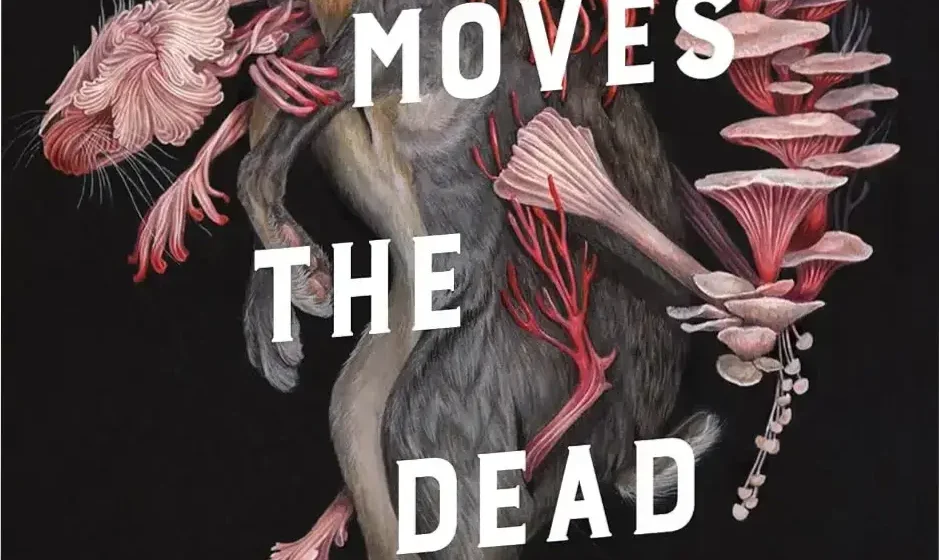

Most of us have a “family house” or a childhood memory of a place that feels slightly off. That creeping sensation that the walls are holding onto secrets is a universal human anxiety. When we pick up a reimagining of a classic like Edgar Allan Poe’s “The Fall of the House of Usher,” we usually expect a dusty, gothic slog through misery and madness.
However, modern readers are tired of passive dread. We want biological stakes and a pace that doesn’t feel like walking through molasses. T. Kingfisher attempts to bridge this gap by blending high-brow gothic tradition with the visceral, stomach-churning reality of fungal infections. If you want to see how this atmospheric tension translates into a modern bestseller, you can check the reader reception and current editions here.
Ready to dive into “What Moves the Dead”?
Explore available editions, check current live pricing, or download a free sample directly on Amazon.
Preview Free Sample & Check Price on Amazon
*You will be redirected to Amazon. As an Amazon Associate, we may earn from qualifying purchases.
The “Poe” Problem: Expectation vs. Execution
Updating a masterpiece is a dangerous game. Poe’s original story is a study in psychological collapse. It’s slow, oppressive, and intentionally vague. Kingfisher takes the skeleton of that story and adds muscle, skin, and—most importantly—spores.
The narrative shifts from purely psychological horror to biological horror. This is a smart move. In a world where we’ve seen every ghost trope, the idea of a fungal colony rewriting the laws of life and death is far more unsettling.
The protagonist, Alex Easton, provides a grounding element. As a retired soldier, Alex doesn’t react with Victorian fainting spells. They react with tactical observation. This creates a refreshing friction between the surreal environment and a pragmatic mind.
| Feature | Poe’s Original | Kingfisher’s Version |
|---|---|---|
| Horror Type | Psychological/Atmospheric | Biological/Fungal |
| Protagonist | Passive Observer | Active, Tactical Soldier |
| Pacing | Slow Burn/Stagnant | Tight/Driven |
| Resolution | Ambiguous Collapse | Analytical Investigation |
The Mycological Nightmare: Technical Analysis of Dread
The brilliance of “What Moves the Dead” lies in its commitment to the “ick” factor. Kingfisher doesn’t just say the house is creepy; she describes the fungal growths with a precision that suggests she’s spent too much time reading botany textbooks.
The introduction of a British mycologist is a masterstroke of narrative design. By bringing in a scientist, the book transforms the supernatural into something that feels potentially real. It’s not “magic”; it’s an invasive species.
This approach triggers a specific kind of fear: the loss of bodily autonomy. The idea of something growing inside you, replacing your thoughts, and using your voice is a visceral hook that works better than any jump scare.
“The horror isn’t in the ghost in the attic, but in the mold in the walls that knows exactly how to mimic a human scream.”
Pacing and the “Novella” Dilemma
At 163 pages, this is a lean piece of fiction. For some, this is a strength. There is zero fluff. Every conversation and every description of the pulsing lake serves the plot.
However, this is where the divide in reader reviews happens. If you look at Goodreads, some users complain that the story ends too abruptly. They wanted a sprawling epic of decay.
From a CRO perspective, the product is positioned as a “gripping” read. It delivers on that. It’s a high-density information experience. You get the atmosphere of a 500-page novel packed into a weekend read.
Character Dynamics: Pragmatism vs. Madness
The chemistry between Alex, the baffled American doctor, and the redoubtable mycologist creates a “specialist team” vibe. It reminds me of a gothic version of
Who This Book Is Actually For
This isn’t a high-octane slasher or a traditional ghost story. It is a slow-burn atmospheric piece that prioritizes “environmental dread” over jump scares.
The ideal reader: Those who enjoy biological horror (specifically the “fungal” variety), Gothic architecture, and narratives where a grounded, skeptical protagonist is forced to confront the inexplicable.
Who should skip it: If you are looking for a sprawling 500-page epic or a fast-paced action thriller, this is not for you. It is a novella. If you dislike “creepy” atmospheres that take their time to build, you will find the pacing too deliberate.
The Value Equation: Precision vs. Volume
At approximately 163 pages, you aren’t paying for page count; you are paying for narrative precision. T. Kingfisher avoids the “middle-book slump” common in longer novels, delivering a tight, claustrophobic experience.
A common purchasing misstep is expecting a full-length novel. This is a literary “concentrate.” The value lies in the Locus Award-winning execution and the sophisticated way it updates Edgar Allan Poe’s themes for a modern, scientifically-curious audience.
Editorial Conclusion
Kingfisher succeeds by replacing the vague “madness” of the original House of Usher with the visceral reality of mycology. The horror feels tangible because it is rooted in biological possibility, making the nightmare far more effective.
It is a sophisticated, lean piece of fiction that respects the reader’s intelligence. For those who want to see if this specific brand of biological Gothic horror resonates with them, you can check the latest reader reviews and current pricing here.
Final Editorial Verdict
“What Moves the Dead” delivers on its core promise for its intended audience, offering compelling insights without fluff. As highlighted in our detailed edition breakdown, its practical depth and readability are its greatest strengths.
We also recommend checking the official Kindle sample and reader ratings before making your final purchase decision.
*You will be redirected to Amazon. As an Amazon Associate, we earn from qualifying purchases.