
Bedtime is rarely the peaceful transition parents imagine. For most, it is a high-stakes negotiation involving bribes, delays, and a toddler who suddenly remembers they are thirsty for the fifth time. The challenge isn’t just getting a child to close their eyes; it is the psychological shift from the chaos of the day to the stillness of the night.
Most parents look for a “magic” solution in the form of a book, but they often pick stories that are too long or too complex, inadvertently overstimulating the child. This is where The Going To Bed Book enters the fray, not as a literary epic, but as a tactical tool for routine management.
Sandra Boynton doesn’t try to reinvent the wheel. Instead, she leverages the power of predictability. In a market flooded with overly sentimental bedtime stories, this book stands out by being unapologetically simple, rhythmic, and durable, turning the dreaded “bath and brush” sequence into a shared game rather than a chore.
Ready to dive into “The Going To Bed Book”?
Explore available editions, check current live pricing, or download a free sample directly on Amazon.
Preview Free Sample & Check Price on Amazon
*You will be redirected to Amazon. As an Amazon Associate, we may earn from qualifying purchases.
The Engineering of Predictability: Writing Style & Pacing
From a technical standpoint, Boynton uses a rhythmic, repetitive structure that mimics a lullaby. The prose doesn’t just tell a story; it creates a cadence. Phrases like “scrub scrub scrub” and “brush and brush and brush” aren’t accidental. They are auditory cues.
For a toddler, repetition equals safety. When a child knows exactly what word comes next, their anxiety drops and their focus shifts from resisting the parent to anticipating the story. It is a clever psychological hack disguised as a children’s book.
The pacing is intentionally linear. There are no plot twists or sudden conflicts. It moves from the tub, to the teeth, to the bed. This mirror-image of a real-world routine helps the child map the book’s progression to their own physical experience.
The “Board Book” Factor: Durability vs. Aesthetics
Let’s be skeptical for a moment: is the content enough to justify the hype? Probably not. But the format is where the real value lies. This is a board book, meaning it is designed to survive the “destructive phase” of early childhood.
Standard paper pages are useless when you are dealing with a child who views books as chew toys or confetti machines. The thick, laminated pages allow for rough handling and repeated readings without the book falling apart after a week.
The physical tactile experience—the weight of the pages and the rounded corners—makes it accessible for small hands to “help” turn the pages, fostering a sense of autonomy in the child during the wind-down process.
| Feature | Technical Benefit | Real-World Impact |
|---|---|---|
| Board Book Format | High-density cardboard pages | Tear-proof and drool-resistant |
| Repetitive Prose | Rhythmic auditory patterns | Lowers child anxiety/resistance |
| Linear Narrative | Step-by-step routine mapping | Easier transition to actual sleep |
Visual Storytelling: The Boynton Aesthetic
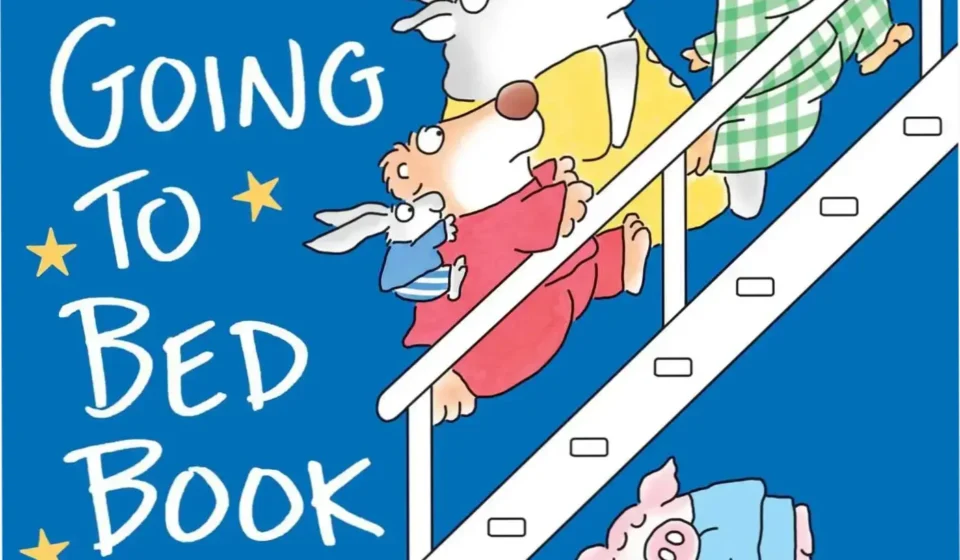
The illustrations are clean, quirky, and devoid of clutter. Boynton uses a limited color palette and simple animal characters that don’t overwhelm the senses. This is crucial for a bedtime book.
High-contrast, overly bright, or chaotic images can stimulate a child’s brain, making it harder for them to settle. Boynton’s art is engaging enough to hold attention but subdued enough to avoid “hypering” the child.
The animals are depicted in a silly, joyful manner. By showing a group of animals enjoying their bath and brushing their teeth, the book reframes these “mandatory” tasks as social, fun activities. It shifts the narrative from “you have to do this” to “look at these funny animals doing this.”
Expectation vs. Reality: Is It Too Simple?
A common critique from adult readers is that the book is “too simple.” This is a fundamental misunderstanding of the product’s purpose. This isn’t a novel
Who Is This Actually For?
This isn’t a book for “readers” in the traditional sense. It is a tool for parents and caregivers battling the 7:00 PM chaos. If you have a child between 0 and 3 years old, this is your tactical manual for winding down.
The ideal reader is the toddler who thrives on repetition and the parent who needs a predictable script to signal that the day is over. It works because it mirrors the actual bedtime sequence: bath, teeth, bed.
Who Should Skip This Book?
Avoid this purchase if you are looking for a complex narrative or a “sleep training” guide. This is a board book, not a manual on pediatric sleep hygiene.
- The “Plot-Seekers”: There is no character arc here. Just a routine.
- Older Children: By age 4 or 5, the simplicity may lose its charm unless used for “reading practice.”
- Expectation of Magic: It won’t magically cure insomnia, but it provides the rhythmic structure that helps some kids settle.
Common Purchasing Missteps
A frequent mistake is buying this expecting a deep educational experience. It’s not about teaching the alphabet or counting; it’s about sensory regulation.
The value lies in the board book format. Paper pages are a liability in the hands of a toddler. The thick cardboard is designed for the “chewing and pulling” phase of early childhood.
Quick Reality Check (FAQ)
| Question | Analytical Answer |
|---|---|
| Is it too short? | No. Toddler attention spans are measured in seconds, not minutes. |
| Is the rhythm helpful? | Yes. The cadence acts as a psychological cue for sleep. |
| Is it durable? | High. Board book construction handles heavy wear and tear. |
Editorial Verdict
Sandra Boynton understands the “toddler brain.” She doesn’t overcomplicate the imagery or the prose. It is a lean, efficient piece of children’s literature that does one thing perfectly: it creates a transition from activity to rest.
While it lacks intellectual depth, its functional value is immense. For the price of a few coffees, you get a durable ritual that can last for years across multiple children. To see how other parents are using this to tame their bedtime routines, you can check the latest user reviews and current pricing here.
Final Editorial Verdict
“The Going To Bed Book” delivers on its core promise for its intended audience, offering compelling insights without fluff. As highlighted in our detailed edition breakdown, its practical depth and readability are its greatest strengths.
We also recommend checking the official Kindle sample and reader ratings before making your final purchase decision.
*You will be redirected to Amazon. As an Amazon Associate, we earn from qualifying purchases.