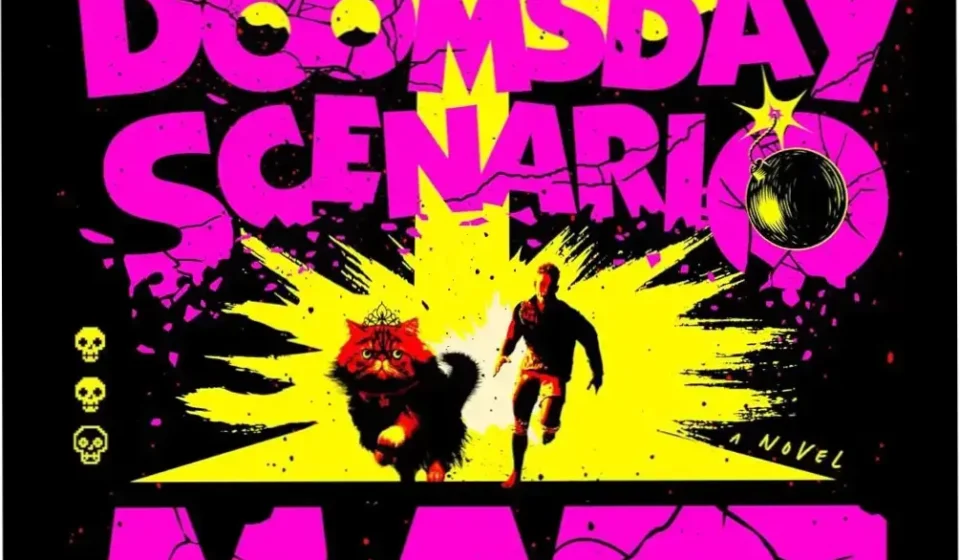

We have all had those days where life feels like a rigged game. You follow the rules, you put in the effort, and the system still finds a way to screw you over. It is a universal frustration that makes the premise of Matt Dinniman’s universe feel strangely relatable, even if that premise involves the entire Earth being flattened for a galactic reality show.
For most readers, the expectation for a “LitRPG” (Literary Role Playing Game) is a tedious slog of stat sheets and leveling logic. However, Carl’s Doomsday Scenario transcends the genre by using game mechanics as a vehicle for dark satire and genuine character growth. If you are wondering if the hype is real, you can check the current reader reception and availability on Amazon to see why this series has become a cult phenomenon.
Ready to dive into “Carl’s Doomsday Scenario”?
Explore available editions, check current live pricing, or download a free sample directly on Amazon.
Preview Free Sample & Check Price on Amazon
*You will be redirected to Amazon. As an Amazon Associate, we may earn from qualifying purchases.
The “Stat-Sheet” Trap: Writing Style and Pacing
Let’s be honest: LitRPG often fails because it reads like an Excel spreadsheet with a plot attached. Many authors get bogged down in the “math” of the world, killing the narrative momentum with endless lists of strength and agility points.
Matt Dinniman avoids this trap with surgical precision. The game mechanics in Carl’s Doomsday Scenario aren’t just fluff; they are the source of the conflict. The “System” is an antagonist in its own right—cruel, bureaucratic, and designed to entertain a bloodthirsty alien audience.
The pacing is breathless. Dinniman employs a “pressure cooker” strategy. Just as Carl and Princess Donut find a moment of respite, the dungeon throws a new, absurdly lethal curveball at them. It mimics the dopamine loop of a video game: challenge, struggle, reward, and immediate escalation.
The prose is direct and stripped of unnecessary ornament. It fits the protagonist’s voice—a Coast Guard veteran who doesn’t have time for poetic metaphors when he is fighting for his life in his underwear.
The Heart of the Chaos: Carl and Donut’s Dynamic
If the plot is the engine, the relationship between Carl and Princess Donut is the fuel. On paper, a grumpy man and a pampered Persian cat sound like a tired sitcom trope. In practice, it is the most human element of the story.
Carl represents the skeptical survivor. He is the anchor of the story, providing a grounded perspective on the insanity surrounding them. His frustration with the “game” reflects the reader’s own skepticism about the absurdity of the plot.
Princess Donut, conversely, is a masterclass in characterization. She doesn’t just “act like a cat”; she embodies the arrogance of feline royalty amplified by a magical intelligence boost. Her obsession with her fan following and her genuine affection for Carl create an emotional core that prevents the book from becoming a mere exercise in violence.
The chemistry works because it is built on mutual necessity. They are an “unstoppable team” not because they are perfectly compatible, but because they are the only two beings who truly understand the horror of their situation.