
Most people spend their entire lives playing it safe, terrified of the “all-in” moment. We treat stability as the ultimate prize, yet we often feel suffocated by the very routines we built to protect ourselves. The real gamble isn’t usually financial; it’s the emotional risk of abandoning a failing identity to see who we might become in a place where nobody knows our history.
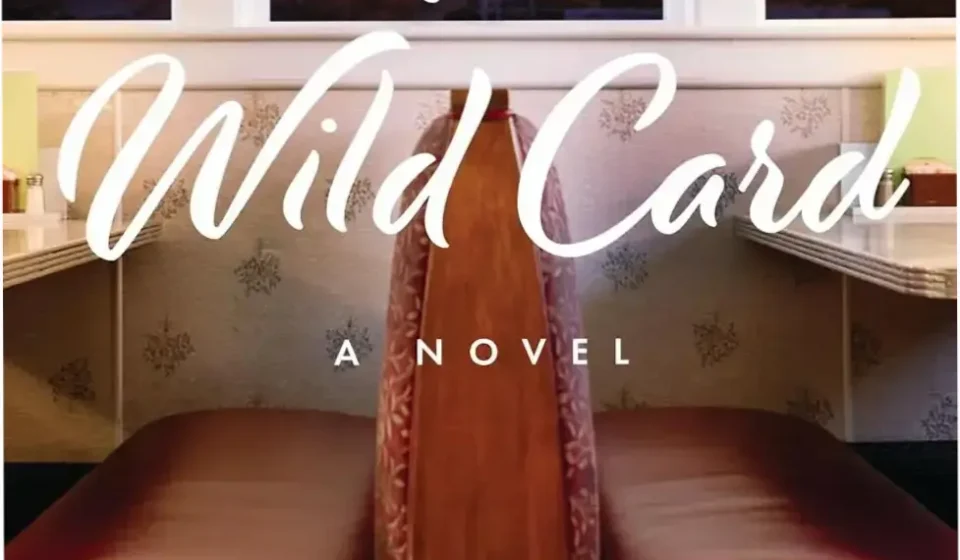
In the world of contemporary romance, the “starting over” trope is a crowded market. Readers expect a specific blend of comfort and tension, and Carolyn Brown’s latest effort, The Wild Card, steps directly into this arena. Before diving into the mechanics of the plot, it is worth checking the current reader reception and availability to see if this particular brand of Texas charm aligns with your taste.
Ready to dive into “The Wild Card”?
Explore available editions, check current live pricing, or download a free sample directly on Amazon.
Preview Free Sample & Check Price on Amazon
*You will be redirected to Amazon. As an Amazon Associate, we may earn from qualifying purchases.
The Architecture of Comfort: Writing Style and Pacing
Carolyn Brown doesn’t try to reinvent the wheel. She understands that the audience for “small-town Texas romance” isn’t looking for a postmodern deconstruction of love. They want warmth, predictability, and a sense of place.
The pacing is steady, almost rhythmic. It mirrors the slow-down Carla Wilson experiences as she moves from the high-stakes adrenaline of professional poker in Tucson to the humming silence of a roadside diner.
Her prose is transparent. It doesn’t get in the way of the story. While some literary critics might find it too simple, from a conversion standpoint, it’s highly efficient. The reader glides through the 270 pages without friction.
The transition from the “city hustle” to the “country slow” is handled with a light touch. Brown uses sensory details—the smell of an iron skillet, the dust of a Texas road—to anchor the reader in the setting.
The Poker Metaphor: Narrative Structure and Themes
The central conceit of the book is the “Wild Card.” In poker, a wild card is an unpredictable element that can change the entire game. Carla herself is the wild card in the Tumbleweed Bus Stop and Diner.
The narrative follows a classic redemption arc. Carla begins the story as a woman who trusts only the math of the game. She is a strategist who views life as a series of calculated risks.
The conflict arises when she encounters variables that cannot be calculated: human kindness, community loyalty, and an attraction to Jackson Armstrong that defies her logic.
Brown skillfully contrasts the coldness of the poker table with the warmth of the diner. The “win” changes from a monetary payout to a sense of belonging.
| Core Element | The “City” Life (Tucson) | The “Home” Life (Texas Diner) |
|---|---|---|
| Primary Driver | Calculation & Survival | Connection & Belonging |
| Emotional State | Isolated / High Stress | Supported / Grounded |
| Definition of Success | The Biggest Pot | The Strongest Bond |
The “Found Family” Dynamic and Reader Sentiment
One of the strongest points of the book, often highlighted in Goodreads reviews, is the supporting cast. The motherly cook and the sunny waitress aren’t just background noise; they are the emotional catalysts for Carla’s growth.
Many readers note that the “matchmaking senior citizens” add a layer of charm that prevents the story from becoming a generic romance. It turns the narrative into a community effort.
There is a palpable sense of “us against the world” that resonates with people who have felt like outsiders. The diner becomes a sanctuary, not just a business.
However, some skeptical readers on Amazon have pointed out that the resolution is almost too neat. The “happily ever after” arrives with a precision that feels scripted.
“It’s the kind of book that feels like a warm blanket on a rainy day. You know exactly where it’s going, but you enjoy the ride anyway.”
Expectation vs. Reality: Is it Too Predictable?
If you are looking for a psychological thriller disguised as a romance, this isn’t it. The plot beats are visible from the first chapter. You know Carla will stay, you know she will fall for Jackson, and you know the diner will be saved.
But predictability in this genre is often a feature, not a bug. The value isn’t in the “what,” but in the “how.”
The chemistry between
Who This Book Is Actually For
The Wild Card isn’t trying to reinvent the romance genre. It’s a textbook “comfort read.” If you gravitate toward the “fish out of water” trope—where a cynical urbanite is humbled by small-town sincerity—this is your territory.
The ideal reader is someone looking for an emotional palate cleanser. It appeals to those who enjoy the “found family” dynamic and the slow realization that professional success is hollow without a place to belong.
Who Should Skip This
Avoid this book if you are looking for:
- High-stakes gambling drama: While the protagonist is a poker player, the cards are a metaphor for life and luck, not the primary driver of a tense plot.
- Subversive plot twists: If you despise predictable romance beats and “happily ever after” trajectories, you’ll find the narrative too safe.
- Gritty realism: This is a polished, heartfelt story. It avoids the darker edges of rural poverty or the brutal reality of professional gambling.
Value for Money & Realistic Expectations
At 270 pages, the pacing is tight. You aren’t paying for filler; you’re paying for an atmospheric experience. The value here lies in the emotional ROI—it’s a quick, satisfying investment of time that delivers exactly what it promises on the cover.
A common purchasing mistake is expecting a technical deep-dive into poker strategy. This is a romance novel, not a manual on Texas Hold ‘em. The “poker” element serves as a character trait for Carla, emphasizing her risk-taking nature and her eventual decision to “go all in” on love.
Editorial Verdict: Is It Worth It?
Carolyn Brown understands the mechanics of the small-town romance. While the plot follows a familiar map, the execution is professional and warm. It doesn’t challenge the reader, but it succeeds in providing the specific type of escapism its audience craves.
If you need a low-stress read that reinforces the idea that home is where the heart is, this is a solid choice. You can check current user ratings and available formats through the official product page.
Final Editorial Verdict
“The Wild Card” delivers on its core promise for its intended audience, offering compelling insights without fluff. As highlighted in our detailed edition breakdown, its practical depth and readability are its greatest strengths.
We also recommend checking the official Kindle sample and reader ratings before making your final purchase decision.
*You will be redirected to Amazon. As an Amazon Associate, we earn from qualifying purchases.