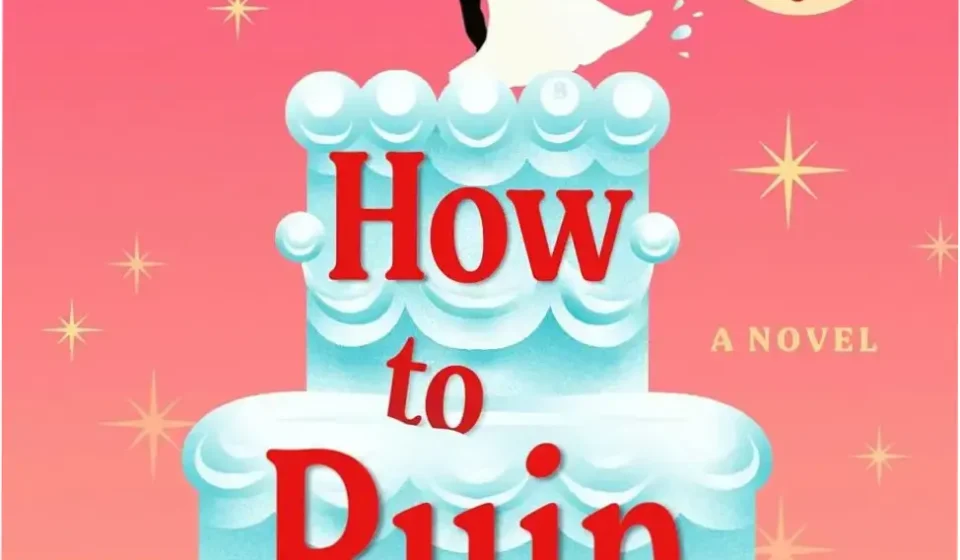

We have all been there: sitting in a pew or a banquet hall, watching a couple exchange vows while secretly wondering if they are making a colossal mistake. The “wedding industrial complex” sells a fairy tale, but for those who have survived a messy divorce or a public breakup, the ceremony often feels like a choreographed lie.
This tension between romantic idealism and cynical reality is where “How to Ruin a Wedding” thrives. It doesn’t just poke fun at the event; it weaponizes the disillusionment of its protagonist to question if love is actually sustainable or just a very expensive performance. You can check the current reader reception and availability on Amazon to see why this premise has resonated so strongly with the modern romance audience.
Most readers enter this book expecting a lighthearted romp, but they find something more surgical. Elba Luz manages to balance the absurdity of professional wedding sabotage with the genuine ache of someone who has tried and failed at the “happily ever after” multiple times. It is a calculated risk that pays off, turning a standard rom-com trope into a study of emotional guardedness.
Ready to dive into “How to Ruin a Wedding”?
Explore available editions, check current live pricing, or download a free sample directly on Amazon.
Preview Free Sample & Check Price on Amazon
*You will be redirected to Amazon. As an Amazon Associate, we may earn from qualifying purchases.
The “Fake Dating” Engine: Narrative Structure and Pacing
Let’s be honest: the “fake dating” trope is the sourdough starter of the romance genre. It is reliable, common, and sometimes a bit overused. However, Elba Luz adds a layer of professional chaos by making the lead, Lucy Delgado, a wedding saboteur.
The narrative doesn’t linger too long on the setup. We quickly move from Lucy’s desperation—two failed marriages and a lost job—to the catalyst: crashing the wrong ceremony. This mistake serves as the perfect hook, throwing her directly into the orbit of Anders Kennedy.
The pacing is aggressive in the best way possible. The book moves with a rhythmic energy that mirrors the chaos of a wedding weekend. There is very little filler; every scene either builds the tension between Lucy and Anders or adds a new layer of absurdity to their sabotage mission.
The chemistry is built on shared cynicism. Unlike many romances where one partner is a sunshine-optimist and the other is a grump, both Lucy and Anders are operating from a place of “this is all a joke.” This creates a unique power dynamic where the romance isn’t about changing the other person, but about finding someone whose brand of brokenness matches your own.
| Technical Element | Execution | Impact on Reader |
|---|---|---|
| Pacing | Fast/High Energy | Prevents the trope from feeling stale. |
| Trope | Fake Dating / Forced Proximity | Provides a comfortable, predictable structure. |
| Dialogue | Sharp, Witty, Sarcastic | Creates the “snort-laugh” effect mentioned by Mindy Kaling. |
| Conflict | External (The Wedding) vs Internal (Fear of Love) | Balances comedy with genuine emotional stakes. |
Writing Style: Between Comedy and Cynicism
The prose is lean. Luz avoids the overly flowery descriptions that often bog down contemporary romance. Instead, the focus is on dialogue and internal monologue, which makes the Kindle experience feel seamless and quick.
There is a distinct “sitcom” energy to the writing. You can almost visualize the timing of the punchlines. This is likely why Mindy Kaling provided the introduction; the book shares that same DNA of fast-talking, high-anxiety characters navigating socially awkward situations.
However, the skepticism is where the book finds its soul. Lucy’s perspective on marriage isn’t just “I’m unlucky in love.” It’s a systemic critique. She views the wedding as a facade that masks deterioration, a sentiment echoed in her observation of her own sister’s crumbling marriage.
“Lucy knows how to play any part—old lover, nosy relative, wise stranger—to save brides and grooms from making the same mistakes she did.”
This line highlights the irony of the story. Lucy believes she is the hero, saving people from a mistake, while
Who Should Actually Read This?
How to Ruin a Wedding isn’t for the romantic idealist. If you’re looking for a fairy-tale narrative where love is effortless and pure, this will feel too cynical for your taste.
This book is precision-engineered for a specific profile: the “jaded romantic.” It appeals to readers who enjoy the tension of the fake-dating trope and the satisfaction of seeing two skeptics slowly dismantle their own emotional walls.
If you enjoy the fast-paced, witty dialogue typical of Mindy Kaling’s style (who provided the introduction), you’ll find the rhythm here familiar and addictive. It’s a “comfort read” for those who prefer their romance served with a side of sarcasm and a healthy dose of chaos.
Who Should Skip It?
- The Purely Serious: If you dislike “high jinks” or plot points that lean into rom-com clichés, the premise may feel too lightweight.
- Non-Fiction Seekers: Despite the title, this is a novel. Do not buy this expecting a manual on how to actually disrupt a ceremony.
- Drama Purists: While there are themes of failed marriages and job loss, the primary engine of the story is humor and romantic tension, not heavy psychological trauma.
Value for Money & Realistic Expectations
At 299 pages, the book is lean. There is very little “filler” content, which increases the information-to-page ratio. You aren’t paying for a sprawling epic; you’re paying for a tight, punchy narrative that delivers its emotional payoff efficiently.
The biggest purchasing mistake readers make with titles like this is expecting a subversive critique of the wedding industry. While it touches on the absurdity of nuptials, it remains firmly within the romance genre. It’s a leisure investment—high entertainment value, low intellectual heavy-lifting.
Editorial Conclusion
Elba Luz successfully balances the “saboteur” gimmick with genuine character growth. The chemistry between Lucy and Anders feels earned because it’s built on shared cynicism rather than instant attraction. It’s a refreshing take on the genre that manages to be funny without sacrificing the stakes of the characters’ emotional baggage.
For those wondering if the hype matches the execution, the best way to gauge the prose is to check the latest reader reviews and pricing on Amazon.
Final Editorial Verdict
“How to Ruin a Wedding” delivers on its core promise for its intended audience, offering compelling insights without fluff. As highlighted in our detailed edition breakdown, its practical depth and readability are its greatest strengths.
We also recommend checking the official Kindle sample and reader ratings before making your final purchase decision.
*You will be redirected to Amazon. As an Amazon Associate, we earn from qualifying purchases.