
Most readers approach historical fiction as a form of escapism, a way to visit a sanitized version of the past. However, the most visceral stories are those that treat history not as a backdrop, but as a mirror reflecting our own enduring fears of persecution and the desperation of forbidden love.
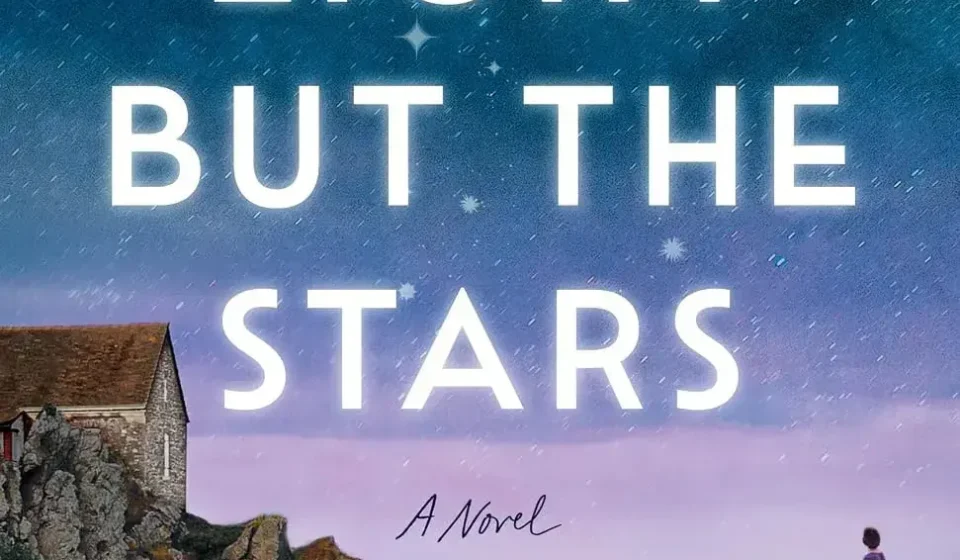
Lindsay Jayne Ashford’s “No Light but the Stars” attempts this by bridging two eras of extreme tension: the religious purges of 1606 and the chaos of 1941. Before diving into the technical merits of the plot, you can check the current reader reception and availability on Amazon to see why it climbed the Historical Thriller charts.
Ready to dive into “No Light but the Stars”?
Explore available editions, check current live pricing, or download a free sample directly on Amazon.
Preview Free Sample & Check Price on Amazon
*You will be redirected to Amazon. As an Amazon Associate, we may earn from qualifying purchases.
The Dual-Timeline Gamble: Structure and Pacing
The narrative structure is a classic “echo” design. We follow Violet in 1941 and Maria in 1606. The bridge between them is a hidden journal found under floorboards.
From a technical standpoint, this is a risky move. Dual timelines often suffer from “momentum drag,” where the reader prefers one era and rushes through the other.
Ashford manages this by aligning the stakes. Both women are risking everything for a man the state considers a criminal. The parallels aren’t just thematic; they are structural.
The pacing is brisk for a historical novel. At 249 pages, it avoids the bloated descriptions common in the genre, opting instead for atmospheric tension.
| Timeline | Core Conflict | Emotional Driver |
|---|---|---|
| 1606 Cornwall | Catholic persecution & treason | Forbidden faith and survival |
| 1941 Cornwall | WWII & Italian POW tensions | Grief and reclaimed hope |
The Anatomy of Forbidden Love: Beyond the Trope
Forbidden love is often a lazy plot device. Here, however, it serves as a vehicle to explore political and religious hysteria.
In 1606, Maria’s love for Jago is a death sentence. The author captures the claustrophobia of a society where your neighbor is a potential informant.
In 1941, Violet’s connection to Francesco Marelli mirrors this. The Italian POW is the “enemy,” yet he is the only one who understands her grief over Taslim.
The book argues that love in times of war or persecution isn’t just romantic; it’s an act of rebellion. This gives the story a weight that transcends simple romance.
“The echoes of the past are rarely silent; they scream through the floorboards of the homes we inherit.”
Reader Sentiment: Expectation vs. Reality
Analyzing verified reviews and community discussions, a clear pattern emerges. Most readers praise the “haunting” atmosphere of the Cornwall coast.
Who This Book Is Actually For
No Light but the Stars isn’t a textbook on the English Reformation or a gritty military manual on WWII. It is a character-driven study of survival and forbidden intimacy.
The ideal reader is someone who enjoys dual-timeline narratives where the past doesn’t just provide context but actively mirrors the present. If you appreciate atmospheric settings—specifically the rugged, isolated mood of Cornwall—and stories where emotional stakes outweigh political intricacies, this is your territory.
You should probably SKIP this book if:
- You prefer “hard” historical fiction with an obsessive focus on technical accuracy over emotional arcs.
- You have a low tolerance for tropes involving “spiritual connections” or destiny across centuries.
- You are looking for a high-octane, fast-paced thriller; this is a slow-burn narrative.
Value Analysis: Is It Worth Your Time?
At 249 pages, the novel is lean. This is a significant advantage. Many historical novels bloat their page counts with excessive descriptions of attire or redundant subplots. Ashford avoids this, delivering a concentrated dose of tension and romance.
The primary risk for the buyer is a “genre mismatch.” Don’t buy this expecting a complex geopolitical analysis of the London Blitz or the 17th-century Catholic persecution. Buy it for the psychological parallel between Maria and Violet.
Quick Verdict on Value: High. You get a complete emotional arc without the fluff, making it an efficient read for those with limited time but a desire for atmospheric escapism.
Editorial Conclusion
The strength of the novel lies in its symmetry. The danger Maria faced in 1606 feels visceral and immediate, which elevates the stakes for Violet in 1941. While the “found journal” device is a common literary trope, it is executed here with enough sincerity to avoid feeling cliché.
It is a story about the cyclical nature of courage. Whether it is harboring a fugitive priest or protecting an Italian POW, the core question remains: what are you willing to risk for a love the world deems illegal?
If you are undecided, the best way to gauge if the prose style fits your taste is to examine the reader reviews and sample chapters on Amazon.
Final Editorial Verdict
“No Light but the Stars” delivers on its core promise for its intended audience, offering compelling insights without fluff. As highlighted in our detailed edition breakdown, its practical depth and readability are its greatest strengths.
We also recommend checking the official Kindle sample and reader ratings before making your final purchase decision.
*You will be redirected to Amazon. As an Amazon Associate, we earn from qualifying purchases.