
Most people treat a life crisis—a sudden divorce, a career-ending injury, or the death of a parent—as a wall. We are told to “heal” in place, to process the trauma within the four walls of a therapist’s office or the silence of our own homes. But there is a persistent, almost primal human instinct that suggests the only way to fix a broken internal compass is to physically move the needle, traveling to places where no one knows your name or your failures.
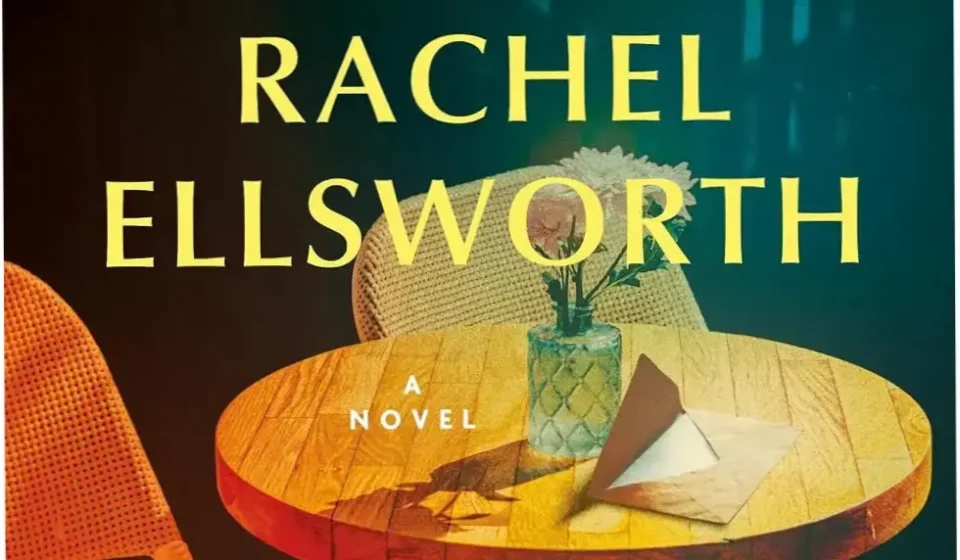
This is the psychological hook of The Last Letter of Rachel Ellsworth. It isn’t just a story about travel; it is a study on the “geography of grief.” Readers often enter this book expecting a light culinary tour, but they find a structured exploration of how shared trauma can bridge the gap between strangers. You can see how the global reading community has responded to this narrative by checking the current reader reception and availability on Amazon.
Ready to dive into “The Last Letter of Rachel Ellsworth”?
Explore available editions, check current live pricing, or download a free sample directly on Amazon.
Preview Free Sample & Check Price on Amazon
*You will be redirected to Amazon. As an Amazon Associate, we may earn from qualifying purchases.
The Narrative Engine: Letters as a Roadmap
The plot doesn’t rely on a traditional mystery “whodunnit” but rather a “what was left behind.” The letters of Rachel Ellsworth serve as the skeletal structure of the book. Each letter is a clue, a memory, and a destination.
From a technical writing perspective, this is a clever move by Barbara O’Neal. It prevents the “travelogue” feel from becoming aimless. Instead of just visiting Paris or India, the characters are chasing a ghost. This creates a constant forward momentum that keeps the reader engaged even when the pacing slows down for emotional reflection.
Critics and readers on Goodreads often note that the letters provide a necessary layer of intimacy. You aren’t just reading about Rachel; you are reading her. This creates a triangular relationship between the deceased author, the two protagonists, and the reader.
Sensory Immersion: The Culinary Connection
This book is categorized under “Cozy Culinary Mysteries,” and it earns that title through sensory density. O’Neal doesn’t just mention food; she uses the intoxicating aromas of Parsi cafés to anchor the emotional scenes.
The food acts as a universal language. When Veronica and Mariah encounter a specific dish in London or Morocco, it triggers a memory or a realization. This isn’t just “food porn”—it’s a narrative tool used to illustrate how culture and taste can heal psychological wounds.
However, a skeptical reader might find the “culinary healing” trope a bit too convenient. Is a spicy curry really the catalyst for overcoming a divorce? In some chapters, the connection feels a bit forced, but the vivid descriptions usually carry the scene through.
| Feature | Analytical Value | Reader Impact |
|---|---|---|
| Parsi Café Settings | Cultural depth & authenticity | High immersion/escapism |
| Epistolary Format | Non-linear storytelling | Increased emotional curiosity |
| Dual Protagonists | Contrasting types of trauma | Broad audience relatability |
Character Dynamics: The Chemistry of Loss
The pairing of Veronica (the abruptly divorced woman) and Mariah (the injured Olympian) is a study in contrast. One is mourning a life she thought she had; the other is mourning a future she was promised.
Their friendship doesn’t happen overnight. O’Neal avoids the cliché of “instant best friends.” Instead, the bond is forged through shared vulnerability and the physical exhaustion of travel. They are forced into each other’s orbits by a mutual need for direction.
The addition of the former war photographer adds a layer of grit to the story. He represents a different kind of wound—one born of violence rather than personal loss. His presence prevents the novel from becoming too “sweet,” adding a necessary edge to the overall tone.
“The quest is a chance to not only close a chapter in life but also begin a new one.”
This quote summarizes the core thesis of the book. It suggests that closure isn’t something you find
Who This Book Is Actually For
This isn’t a fast-paced thriller. If you are looking for a high-stakes mystery with rapid twists, you’ll find the pacing here too leisurely.
The ideal reader: Someone who enjoys “healing journeys” and atmospheric settings. It appeals strongly to those who appreciate the intersection of food, culture, and emotional recovery.
If you enjoy novels where the setting (London, Paris, Morocco, India) acts as a character itself, this is a high-value read. It’s specifically tailored for fans of cozy culinary mysteries and narratives centered on female friendship and resilience.
Who Should Skip It
Avoid this book if you have a low tolerance for the “trauma-to-healing” trope. If you prefer plot-driven narratives over character-driven emotional arcs, the focus on grief and rediscovery might feel repetitive.
Common purchasing misstep: Buying this expecting a travel guide or a culinary manual. While the Parsi cafés and aromas are vividly described, the food is a catalyst for the plot, not the main subject.
Quick Analysis: Value & Expectations
- Pacing: Slow to moderate. It mirrors the process of grieving.
- Emotional Weight: Heavy on trauma, but balanced with hope.
- Information Gain: Moderate insight into Parsi culture and global culinary traditions.
- Readability: High. Barbara O’Neal uses a fluid, accessible style.
Editorial Conclusion
The Last Letter of Rachel Ellsworth succeeds because it doesn’t rush the healing process. It treats the characters’ scars with respect rather than using them as mere plot devices.
The value lies in the emotional payoff. It’s a sophisticated “comfort read” that manages to be both heartbreaking and uplifting without falling into saccharine clichés.
For those undecided, we suggest checking the current reader sentiment and latest discounts via the official Amazon listing.
Final Editorial Verdict
“The Last Letter of Rachel Ellsworth: A Novel” delivers on its core promise for its intended audience, offering compelling insights without fluff. As highlighted in our detailed edition breakdown, its practical depth and readability are its greatest strengths.
We also recommend checking the official Kindle sample and reader ratings before making your final purchase decision.
*You will be redirected to Amazon. As an Amazon Associate, we earn from qualifying purchases.