
Most people handle betrayal with a lawyer or a long session on a therapist’s couch. But there is a universal, darker fantasy we all harbor: the desire for a cosmic correction where the people who hurt us get exactly what they deserve, delivered via a supernatural punch to the gut.
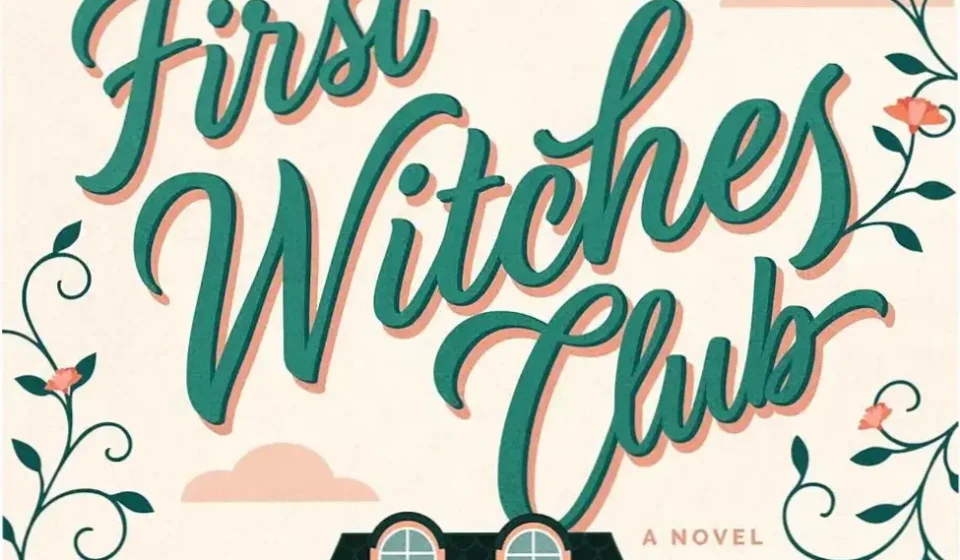
Maisey Yates taps into this raw nerve in First Witches Club, blending domestic tension with a whimsical, magical twist. For those wondering if this is just another generic romance or something with actual teeth, you can check the current reader reception on Amazon to see how the community is reacting to this mix of hexes and heartbreaks.
Ready to dive into “First Witches Club”?
Explore available editions, check current live pricing, or download a free sample directly on Amazon.
Preview Free Sample & Check Price on Amazon
*You will be redirected to Amazon. As an Amazon Associate, we may earn from qualifying purchases.
The Narrative Hook: Betrayal as a Catalyst
Yates doesn’t waste time with slow-burn introductions. She drops the reader directly into the wreckage of three different marriages.
We have Nora, whose husband chooses a “wellness retreat” in Chile over her. Daisy, facing the cliché of a younger mistress. And Soraya, who receives the digital evidence of infidelity in the most graphic way possible.
From a structural standpoint, this is a classic “inciting incident” trifecta. It establishes immediate stakes and creates a shared emotional frequency between the protagonists.
The pacing is aggressive. The transition from “devastated wife” to “aspiring witch” happens quickly, which keeps the story moving but risks skimming over the actual grief process.
However, for the target audience, the speed is a feature, not a bug. This isn’t a study on depression; it’s a story about reclaiming power.
The Magic System: Plot Device or World-Building?
Let’s be skeptical for a moment. The “magical apothecary” is a trope as old as time. Lady’s Mantle Apothecary serves as the safe haven and the training ground.
The magic here isn’t hard magic. There are no complex laws of physics or grueling study sessions. It’s intuitive, emotional, and tied directly to the women’s untapped power.
In technical terms, the magic acts as a metaphor for self-actualization. When Nora, Daisy, and Soraya start casting, they aren’t just changing their external circumstances—they are changing their internal boundaries.
Critics on Goodreads often point out that the magic feels “convenient.” It solves problems that should perhaps be solved through dialogue or legal action.
But that’s the point of the genre. This is escapist fiction. The magic is the vehicle for the “sweet revenge” promised in the blurb.
| Technical Aspect | Analysis | Impact on Reader |
|---|---|---|
| Pacing | Fast-tracked plot progression | High engagement, low boredom |
| Magic Logic | Soft/Intuitive system | Low cognitive load, high fantasy |
| Character Arc | Linear (Victim $\rightarrow$ Empowered) | Satisfying emotional payoff |
| Tone | Witty, romantic, slightly vengeful | Lighthearted despite heavy themes |
Character Analysis: Three Paths to Redemption
The strength of the novel lies in the diversification of the three
Who Is This Book Actually For?
The Ideal Reader: If you enjoy “beach reads” with a supernatural twist or the vibe of Practical Magic mixed with The First Wives Club, this is your territory. It appeals most to readers who prioritize emotional catharsis, female bonding, and the “glow-up” trope over complex world-building.
Who Should Skip It: Hard fantasy enthusiasts. If you are looking for a rigorous magic system with strict laws and high-stakes geopolitical conflict, you will be disappointed. This is “soft magic”—it serves the plot and the characters’ emotional growth, not a manual of arcane science.
Common Purchasing Missteps: Don’t mistake this for a dark occult thriller. Some readers might expect a gritty exploration of witchcraft; instead, they’ll find a witty, romantic narrative. It is a story of empowerment and second chances, not a grimoire of shadows.
Value Analysis & Realistic Expectations
At 363 pages, the pacing is designed for consumption rather than study. The value lies in its escapism. You aren’t paying for a literary revolution, but for a well-executed “revenge and recovery” arc that hits all the right dopamine triggers.
- Information Density: Low. It’s a narrative experience, not a technical guide.
- Emotional ROI: High. The satisfaction of seeing betrayals corrected is the primary currency here.
- Readability: Exceptional. Yates writes for the modern reader—fast, fluid, and dialogue-heavy.
Editorial Conclusion: The Final Word
First Witches Club doesn’t reinvent the wheel, but it polishes it to a mirror finish. It balances the bitterness of betrayal with the sweetness of new romance without becoming overly saccharine. The magic is a catalyst, but the real story is the reclamation of identity after a marriage fails.
It is a safe bet for fans of contemporary romance who want a touch of the extraordinary to spice up a familiar premise. To see how other readers are reacting to these character arcs or to check for current Kindle deals, you can verify the latest user reviews here.
Final Editorial Verdict
“First Witches Club: A Novel” delivers on its core promise for its intended audience, offering compelling insights without fluff. As highlighted in our detailed edition breakdown, its practical depth and readability are its greatest strengths.
We also recommend checking the official Kindle sample and reader ratings before making your final purchase decision.
*You will be redirected to Amazon. As an Amazon Associate, we earn from qualifying purchases.