
Dark romance often operates on a paradox: the reader craves a protagonist who is objectively terrifying to the rest of the world, yet completely subservient to the one person they love. It is the ultimate escapist fantasy of absolute protection in a world that feels increasingly unstable. When we dive into the “Bratva” subgenre, we aren’t looking for a realistic depiction of organized crime; we are looking for the tension between danger and devotion.
The market is currently saturated with “mafia daddies,” but the success of The Hidden Heir suggests that readers are still hungry for the “secret baby” and “forced proximity” tropes when executed with high emotional stakes. The expectation here isn’t a slow-burn intellectual exercise, but a visceral, high-tension ride where the stakes are literally life and death for a child.
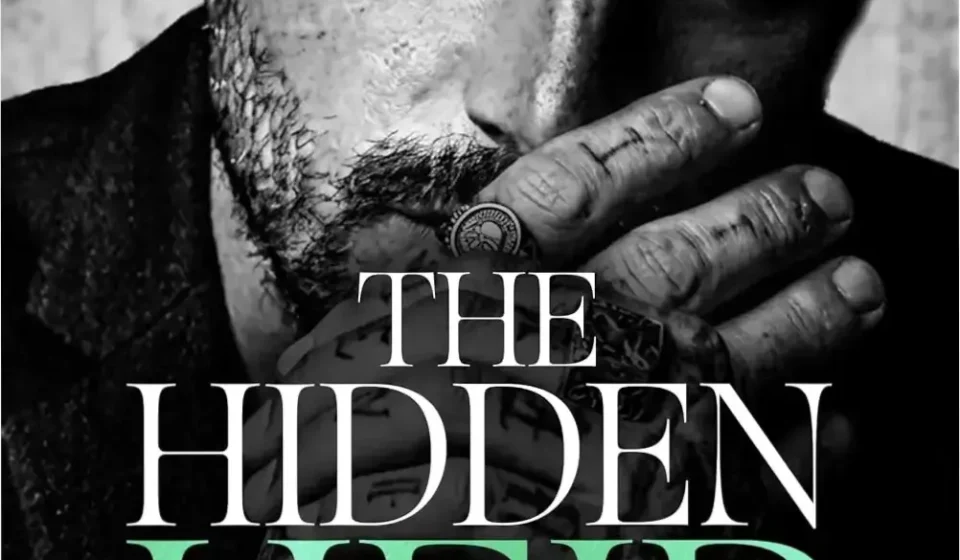
Ready to dive into “The Hidden Heir: An Age Gap, Bratva Romance”?
Explore available editions, check current live pricing, or download a free sample directly on Amazon.
Preview Free Sample & Check Price on Amazon
*You will be redirected to Amazon. As an Amazon Associate, we may earn from qualifying purchases.
The Architecture of Desire: Trope Execution and Pacing
Kai Lesy doesn’t reinvent the wheel with The Hidden Heir; instead, she polishes it to a mirror finish. The plot is a masterclass in “trope stacking.” You have the age gap, the forced marriage, the secret heir, and the “touch-her-and-die” protector. In the hands of a lesser writer, this would feel like a checklist. Here, it feels like a pressure cooker.
The pacing is aggressive. The narrative doesn’t waste time with long-winded introductions. We are dropped immediately into the conflict: a mother protecting her child from a legacy of violence. The transition from fear to attraction is handled with a calculated tension that keeps the pages turning.
The 397-page length is optimal. It provides enough room to establish the emotional trauma of the protagonist without dragging the plot into unnecessary filler. The story moves with a rhythmic intensity—alternating between high-stakes mafia politics and intimate, domestic tension within the lakefront mansion.
| Technical Element | Execution Grade | Analyst Note |
|---|---|---|
| Trope Integration | A+ | Seamlessly blends age-gap and secret heir dynamics. |
| Pacing | A- | Fast-moving, though some secondary plot points are rushed. |
| Character Depth | B+ | Strong lead chemistry; supporting cast is more functional. |
| Emotional Payoff | A | High satisfaction for fans of the “protective alpha” archetype. |
The “Silver Fox” Psychology: Luca Petrucci as the Idealized Alpha
Luca Petrucci is the “Devil of Chicago,” but for the reader, he is a sanctuary. The brilliance of the character lies in the contrast. He is ruthless to his enemies but worshipful toward the protagonist. This “dual nature” is what drives the 4.4-star rating on Amazon.
The age gap isn’t just a numerical detail; it’s a power dynamic. Luca brings a level of stability and competence that the protagonist’s former partner lacked. He doesn’t just offer protection; he offers an empire. This shifts the narrative from a simple romance to a story about finding security in the most unlikely of places.
From a critical perspective, Luca borders on the “too perfect” territory, but in the context of Bratva romance, this is a feature, not a bug. Readers aren’t looking for a flawed man who needs fixing; they are looking for a powerful man who fixes everything for the woman he loves.
“He guards my son like his own. Silences anyone who dares look at me wrong. And looks at my curves like they were made for him.”
This snippet captures the core value proposition of the book: the desire to be seen, valued, and fiercely protected. The focus on the protagonist’
Who Is This Actually For?
This isn’t a book for the casual romance reader. It is precision-engineered for the “dark romance” devotee.
Specifically, if your reading checklist includes possessive silver foxes, “touch-her-and-die” energy, and the claustrophobic tension of a forced marriage, this hits every mark.
It appeals to those who crave the power imbalance of an age gap paired with the absolute protection of a mafia king. It’s less about “dating” and more about “claiming.”
Who Should Probably Skip This?
Skip this if you are looking for a nuanced, realistic exploration of grief or a psychologically accurate depiction of child psychology.
Also, avoid this if you find high-control dynamics or “forced proximity” tropes a turn-off. This is a fantasy of dominance and protection, not a manual on healthy relationship boundaries.
If you prefer slow-burn, polite courtship, the aggressive pace of the Bratva world will likely feel overwhelming.
Real Talk: Value for Money
At nearly 400 pages, you aren’t getting a rushed novella. You’re getting a full narrative arc with enough meat to justify the price point.
The value here isn’t in literary innovation—Kai Lesy isn’t reinventing the genre—but in the consistent execution of the tropes. It delivers the specific “flavor” of romance it promises on the cover.
Common Purchasing Misstep: Do not mistake this for a lighthearted “single mom” rom-com. This is a Bratva story. Expect blood, betrayal, and intense possessiveness.
Editorial Verdict
Ultimately, “The Hidden Heir” is a high-octane genre piece. It functions as a perfect entry point into the “Ruthless Bratva Daddies” series because it establishes the stakes immediately.
It’s a focused, steamy, and predictable (in a satisfying way) ride. If you want to see if the “Silver Fox” energy lives up to the hype, you can check the latest reader ratings and current pricing via this official Amazon listing.
Final Editorial Verdict
“The Hidden Heir: An Age Gap, Bratva Romance” delivers on its core promise for its intended audience, offering compelling insights without fluff. As highlighted in our detailed edition breakdown, its practical depth and readability are its greatest strengths.
We also recommend checking the official Kindle sample and reader ratings before making your final purchase decision.