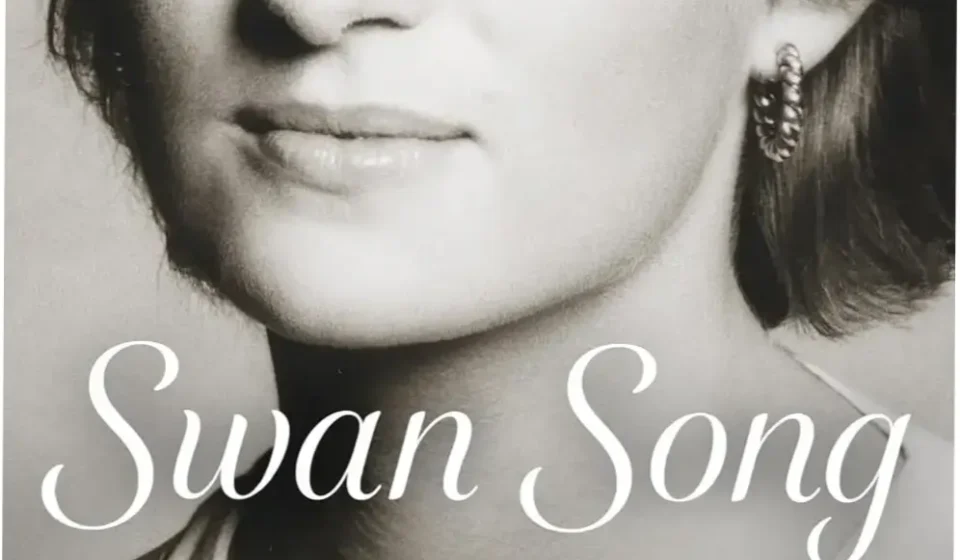

We have spent decades consuming the myth of Princess Diana. From the fairy-tale wedding to the paparazzi-fueled tragedy, the world thinks it knows her. But there is a massive gap between the “People’s Princess” and the actual human being who lived behind the palace walls.
Most royal biographies feel like sanitized press releases or speculative tabloids. The real challenge for any reader today is finding a narrative that strips away the iconography to reveal the raw, unfiltered person. You can check the current availability of Swan Song to see if this intimate perspective finally bridges that gap between celebrity and soul.
Ready to dive into “Swan Song: Diana, my sister”?
Explore available editions, check current live pricing, or download a free sample directly on Amazon.
Preview Free Sample & Check Price on Amazon
*You will be redirected to Amazon. As an Amazon Associate, we may earn from qualifying purchases.
The Sibling Lens: Beyond the Royal Facade
Most Diana narratives are written by journalists who interviewed her or courtiers who feared her. Charles Spencer is neither. He is the brother who called her “Duch” while she called him “Carlos.”
This distinction is critical. The book doesn’t just recount events; it reconstructs a shared childhood. We see the Spencers not as aristocrats, but as children surviving “terrifying nannies” and the wreckage of a parental divorce.
This foundational layer gives the book a psychological weight that standard biographies lack. It explains the void Diana was trying to fill when she entered the royal marriage. It turns a global icon back into a sister.
The pacing reflects this intimacy. It doesn’t rush to the crown. It lingers in the family estate, establishing the bond that made Charles her closest confidante long before the world claimed ownership of her.
| Feature | Standard Royal Biography | Swan Song Approach |
|---|---|---|
| Perspective | External/Observational | Internal/Familial |
| Tone | Formal or Sensationalist | Intimate and Honest |
| Focus | Public Duties & Scandals | Private Identity & Trauma |
| Source | Interviews/Archives | Shared Life Experience |
The Machinery of Fame and the “Barbaric Press”
Spencer doesn’t mince words about the media. He describes the press not as chroniclers, but as hunters. This is where the book shifts from a memoir to a critique of celebrity culture.
The narrative captures the vertigo of Diana’s ascent. One day she is a young woman; the next, she is a global icon. The book analyzes how this sudden visibility stripped her of her agency.
Readers on platforms like Goodreads often discuss the “claustrophobia” of Diana’s life. Spencer captures this perfectly. He details the isolation that comes when you are the most photographed woman in the world but have no one to trust.
The analysis of her marriage to King Charles III is handled with a careful, albeit skeptical, eye. It focuses less on the “who cheated with whom” and more on the systemic failure of the institution to protect a vulnerable human being.
“Pursued by a barbaric press as her royal marriage crumbled, she was left desperately alone.”
This quote summarizes the book’s core thesis: the world loved the image of Diana, but the actual woman was left to drown in that very adoration.
Narrative Structure: From Innocence to the Black Night
At 384 pages, the book is a substantial read, but it avoids the bloat typical of royal histories. The structure is a
Who Is This Book Actually For?
Swan Song: Diana, my sister isn’t a standard historical biography. It is a visceral, familial autopsy of a life lived under a microscope. This book is designed for a specific type of reader:
- The “Human” Historian: Those who care less about official royal timelines and more about the psychological toll of fame and family trauma.
- The Diana Devotee: Readers who have exhausted the tabloids and are looking for a grounded, intimate portrait of the woman behind the “People’s Princess” image.
- Students of Family Dynamics: Anyone interested in how sibling bonds survive (or buckle) under extreme public pressure and parental divorce.
Who Should Skip This Book?
Let’s be realistic: not everyone will find value here. You should probably pass on this title if:
You want an objective, neutral account. This is written by her brother. It is inherently biased, deeply loving, and colored by grief. If you are looking for a cold, academic analysis of the House of Windsor, this isn’t it.
You are hunting for “new” scandals. While it offers intimate childhood anecdotes, it isn’t a tabloid “tell-all” designed to shock. It’s a memoir of love and loss, not a gossip rag.
Value for Money & Realistic Expectations
At 384 pages, the book offers a substantial narrative arc. The “value” here isn’t in the quantity of facts—most of the major events of Diana’s life are common knowledge—but in the emotional proximity of the narrator.
A common purchasing mistake is expecting a quick manual on royal etiquette or a brief summary of the 90s. Instead, you get a deep, slow-burn narrative. It’s an investment in a perspective that only a sibling could provide: the transition from “Duch and Carlos” playing on a family estate to a global icon being hunted by paparazzi.
Editorial Verdict: It is a poignant, necessary addition to the Diana canon. It strips away the crown and the couture to reveal the sister. If you value emotional truth over clinical facts, it’s a worthwhile acquisition. You can check current reader ratings and available formats via this official listing on Amazon.
Final Editorial Verdict
“Swan Song: Diana, my sister” delivers on its core promise for its intended audience, offering compelling insights without fluff. As highlighted in our detailed edition breakdown, its practical depth and readability are its greatest strengths.
We also recommend checking the official Kindle sample and reader ratings before making your final purchase decision.
*You will be redirected to Amazon. As an Amazon Associate, we earn from qualifying purchases.