
We have all been there. A text message remains unanswered for hours, or a colleague’s tone shifts slightly during a meeting. For most, it is a minor annoyance. For some, it triggers a full-scale internal collapse—a spiral of shame, self-doubt, and the crushing feeling of being “too much.”
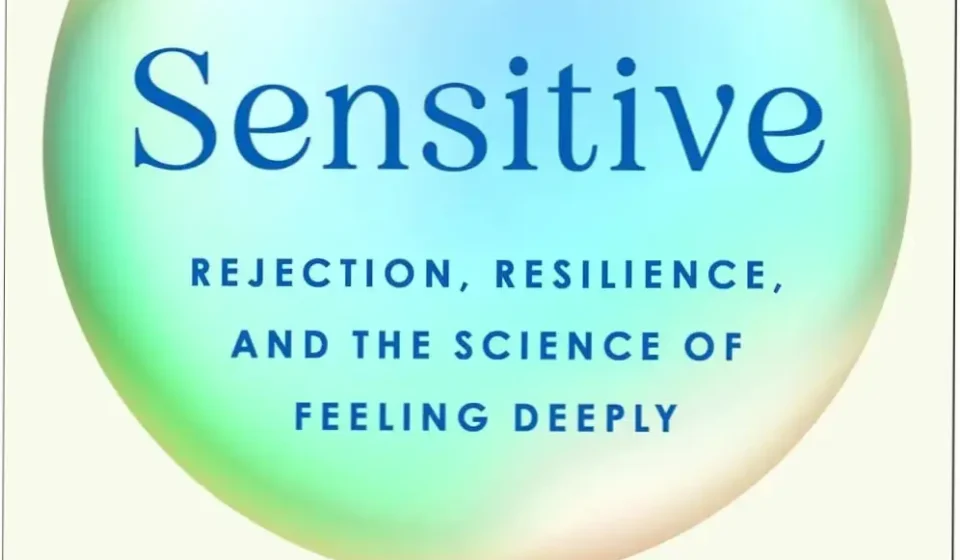
For decades, society has labeled this reaction as irrational or overly dramatic. However, the narrative is shifting from personality flaws to biological blueprints. You can see how the market is responding to this shift by checking the current reception of Too Sensitive: Rejection, Resilience, and the Science of Feeling Deeply, a work that attempts to bridge the gap between clinical psychiatry and the lived experience of emotional intensity.
Ready to dive into “Too Sensitive: Rejection, Resilience, and the Science of Feeling Deeply”?
Explore available editions, check current live pricing, or download a free sample directly on Amazon.
Preview Free Sample & Check Price on Amazon
*You will be redirected to Amazon. As an Amazon Associate, we may earn from qualifying purchases.
The Biology of “Too Much”: Moving Beyond the Label
The core premise of Dr. Sasha Hamdani’s work is a direct attack on the word “irrational.” She argues that what we perceive as an overreaction is actually a highly responsive nervous system performing exactly as it was wired to do.
This is a critical distinction. Most self-help books tell you to “think positive” or “ignore the noise.” Hamdani doesn’t do that. She treats emotional sensitivity as a physiological state rather than a mental failure.
By framing sensitivity as a biological trait, the book removes the layer of shame that usually accompanies these feelings. It stops being about “fixing” a broken personality and starts being about “managing” a sensitive instrument.
The writing here is clinical yet accessible. She avoids the dense jargon of neuroscience while still providing enough evidence to satisfy the skeptic. It feels less like a lecture and more like a consultation with a doctor who actually listens.
RSD and the Neurodivergent Connection
One of the most valuable contributions of this book is the deep dive into Rejection Sensitive Dysphoria (RSD). For those with ADHD or autism, the pain of perceived rejection isn’t just “sadness”—it is physical agony.
Hamdani explains that for neurodivergent individuals, the brain’s alarm system is essentially tuned to a higher frequency. A subtle frown from a boss can feel like a social execution.
This section resonates heavily with readers on platforms like Reddit and Goodreads, who often feel misunderstood by traditional therapy. The book validates that this pain is real and rooted in biology, not “drama.”
She doesn’t romanticize the struggle, either. She acknowledges that while this sensitivity is a biological reality, it can still be destructive if left unregulated. The goal is not to stop feeling, but to stop the spiral.
| Concept | Traditional View | Hamdani’s Perspective |
|---|---|---|
| Emotional Spikes | Overreacting / Dramatic | Highly attuned nervous system |
| RSD | Low self-esteem | Biological response to perceived rejection |
| Sensitivity | Fragility / Weakness | Emotional awareness / Potential strength |
The Practical Toolkit: From Analysis to Action
Theory is useless without a roadmap. Hamdani introduces an assessment tool to help readers determine where they sit on the emotional sensitivity spectrum. This adds a layer of objectivity to an otherwise subjective experience.
The book focuses on “interrupting the spiral.” She provides specific strategies to ground the nervous system when it enters a state of fight-or-flight over a social slight.
These aren’t generic “take a deep breath” tips. They are research-informed strategies designed to shift the body out of a sympathetic nervous system override and back into a state of calm.
Critics of the genre often find these sections “too simple,” but for someone in the middle of an emotional surge, complexity is the enemy. The directness of the tools is where the book’s actual value lies.
“Sensitivity is not a flaw to be
Who This Book Is Actually For
Too Sensitive isn’t a generic “how to be happy” manual. It is a targeted resource for a specific psychological profile: the person who feels the “volume” of life is turned up too high.
It is an essential read if you:
- Identify as “too emotional” or “overly dramatic” according to others.
- Experience intense physical or emotional pain from perceived rejection (RSD).
- Are neurodivergent (ADHD/Autism) and struggle with emotional regulation.
- Spiral after a subtle change in a partner’s or boss’s tone of voice.
Who should skip this book? If you are looking for a quick-fix productivity hack or a “tough love” guide to suppressing your emotions, this isn’t it. Those seeking a purely philosophical approach to sensitivity—without the neuroscience or biological framework—will find Dr. Hamdani’s clinical approach too technical.
Value Analysis: Investment vs. Outcome
At 320 pages, this is a deep dive, not a pamphlet. The real value lies in the assessment tool. Most self-help books tell you “what” you are; this one attempts to map “where” you sit on the sensitivity spectrum.
A common purchasing mistake is expecting a “cure” for sensitivity. Sensitivity is a biological trait, not a disease. The value here is in the management—moving from fragility to resilience.
From a cost-benefit perspective, the book replaces the need for multiple fragmented articles on RSD and nervous system regulation by synthesizing psychiatry and lived experience into one framework.
Editorial Conclusion: The Verdict
Dr. Sasha Hamdani succeeds in reframing a perceived flaw as a biological reality. By shifting the narrative from “personality defect” to “responsive nervous system,” she removes the shame that usually accompanies emotional surges.
The writing is clinical yet compassionate. It avoids the “toxic positivity” trap, acknowledging that feeling deeply can be exhausting. While some may find the neuroscience heavy, it is the only way to provide a legitimate alternative to the “just stop overthinking” advice that usually fails these readers.
If you’ve spent years apologizing for your reactions, this book provides the vocabulary to understand why you react and the tools to stop the spiral. You can verify the current pricing and read verified buyer experiences via the official Amazon listing.
Final Editorial Verdict
“Too Sensitive: Rejection, Resilience, and the Science of Feeling Deeply” delivers on its core promise for its intended audience, offering compelling insights without fluff. As highlighted in our detailed edition breakdown, its practical depth and readability are its greatest strengths.
We also recommend checking the official Kindle sample and reader ratings before making your final purchase decision.
*You will be redirected to Amazon. As an Amazon Associate, we earn from qualifying purchases.