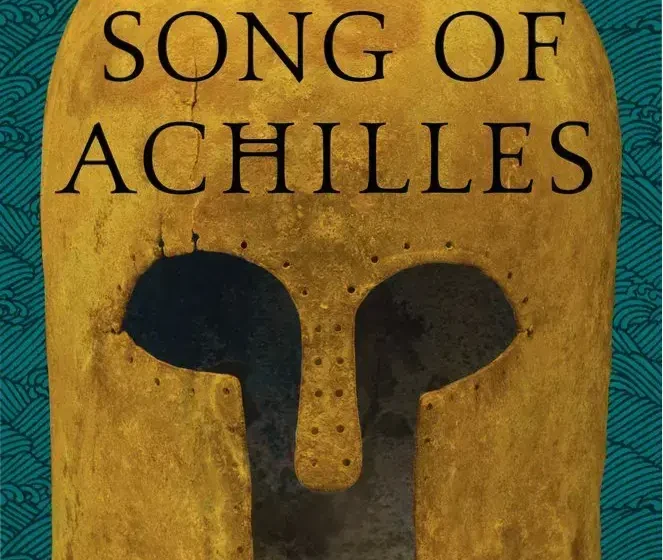

Most of us view Greek mythology as a collection of dusty statues and rigid prophecies. We see Achilles as a killing machine and the Trojan War as a strategic chess match of gods and kings. But there is a persistent human anxiety that remains unchanged since the Bronze Age: the fear that our legacy is predetermined and that love is a liability in the face of glory.
Madeline Miller doesn’t just retell a myth; she dissects the emotional cost of being a legend. For readers expecting a dry historical account, this is a shock. It is a visceral exploration of vulnerability. You can see how this perspective shift has resonated with millions by checking the current reader reception and editions on Amazon.
Ready to dive into “The Song of Achilles”?
Explore available editions, check current live pricing, or download a free sample directly on Amazon.
Preview Free Sample & Check Price on Amazon
*You will be redirected to Amazon. As an Amazon Associate, we may earn from qualifying purchases.
The Prose: Lyrical Precision vs. Narrative Drag
Miller is a classicist, and it shows. The writing isn’t just “good”; it is surgically precise. She avoids the trap of using “thee” and “thou” to fake antiquity. Instead, she uses a clean, modern lyricism that feels timeless.
The pacing is a deliberate slow-burn. The first half of the book focuses on the intimacy and growth of Achilles and Patroclus. For some, this is the soul of the book. For others, the transition to the actual war feels abrupt.
The prose creates a sense of inevitable dread. Because we know how the Iliad ends, the beauty of the writing serves as a contrast to the looming tragedy. It is a high-wire act of tension.
| Technical Aspect | Analysis |
|---|---|
| Writing Style | Lyrical, accessible, and emotionally charged. |
| Pacing | Slow-burn character development followed by rapid escalation. |
| Narrative Voice | First-person (Patroclus), providing an outsider’s perspective. |
The Patroclus Pivot: Humanizing the Shadow
The smartest move Miller makes is the POV shift. Achilles is the sun—blinding, powerful, and destructive. Patroclus is the shadow. By centering the story on the “lesser” man, the legend becomes a human story.
On forums like Reddit and Goodreads, a common point of discussion is the power dynamic. Patroclus is often seen as passive. However, a closer analysis reveals his strength lies in his empathy—the one thing Achilles lacks.
This shift turns a war story into a study of identity. Patroclus doesn’t just love Achilles; he shapes him. The tragedy isn’t just that they die, but that the world only remembers the warrior, not the man who made him human.
“He is a flame, and I am the moth. I know the end of this story, but I cannot look away.”
Fate, Agency, and the “Golden Boy” Burden
The book grapples with a central question: Do we choose our path, or are we puppets of prophecy? Achilles is burdened by his “Aristeia”—his destined excellence. He is a prisoner of his own fame.
Miller presents fame as a poison. The “immortal name” that Achilles chases is the very thing that isolates him from the people he loves. It is a scathing critique of the “hero” archetype.
The tension between the divine will of Thetis and the human will of Patroclus creates a suffocating atmosphere. You feel the walls closing in long before the first sword is drawn at Troy.
Expectation vs. Reality: The “Coming of Age” Label
Marketed as “Coming of Age Fantasy,” the book exceeds the tropes of the genre. This isn’t a story about finding oneself; it is a story about losing oneself to a role imposed by society.
Some readers complain that the “romance” overshadows the “epic.” This is a fair critique if you are looking
Who This Book Is Actually For
The Song of Achilles isn’t a textbook on the Trojan War, nor is it a fast-paced military thriller. It is a lyrical character study disguised as an epic.
You will love this if you prioritize emotional resonance and prose over plot velocity. It is ideal for readers who enjoy “slow-burn” narratives and those who appreciate seeing classic mythology viewed through a human, intimate lens rather than a divine one.
Who should probably SKIP this book:
- The “Action-First” Reader: If you are looking for a gritty, battle-heavy account of the Siege of Troy similar to a historical war novel, you will find the pacing too deliberate.
- The Literalists: Those who prefer the stark, objective tone of Homer’s original texts may find Miller’s romanticized, evocative style too “flowery.”
The “Value for Money” Reality Check
At 384 pages, the book offers a high density of emotional payoff per page. It doesn’t waste time with unnecessary subplots, focusing instead on the evolving bond between Patroclus and Achilles.
The common purchasing mistake here is expecting a comprehensive guide to Greek mythology. This is a reimagining. You aren’t paying for an encyclopedia of gods; you are paying for a specific, poignant perspective on fate and mortality.
Quick Editorial FAQ
Is it too academic? No. While Miller is a scholar, the writing is accessible and visceral.
Does it require prior knowledge of The Iliad? It helps, but it’s not mandatory. The narrative provides enough context to follow the tragedy without needing a degree in Classics.
Is the ending satisfying? It is inevitable. If you know the myth, you know the end. The value lies in how Miller gets you there, not in a “twist” ending.
Final Editorial Verdict
Madeline Miller achieves a rare balance: she respects the source material while breathing new, fragile life into characters who had become static statues of legend. It is a masterclass in voice and atmosphere.
For those undecided, we suggest browsing the latest reader reviews and current pricing to see if the lyrical approach aligns with your current reading mood.
Final Editorial Verdict
“The Song of Achilles” delivers on its core promise for its intended audience, offering compelling insights without fluff. As highlighted in our detailed edition breakdown, its practical depth and readability are its greatest strengths.
We also recommend checking the official Kindle sample and reader ratings before making your final purchase decision.
*You will be redirected to Amazon. As an Amazon Associate, we earn from qualifying purchases.