
Middle school is less of an educational journey and more of a high-stakes survival simulation. For most kids, the primary goal isn’t getting an A in algebra; it’s avoiding total social annihilation. It is a chaotic environment where one wrong move or a leaked secret can shift your status from “invisible” to “target” in a matter of seconds.
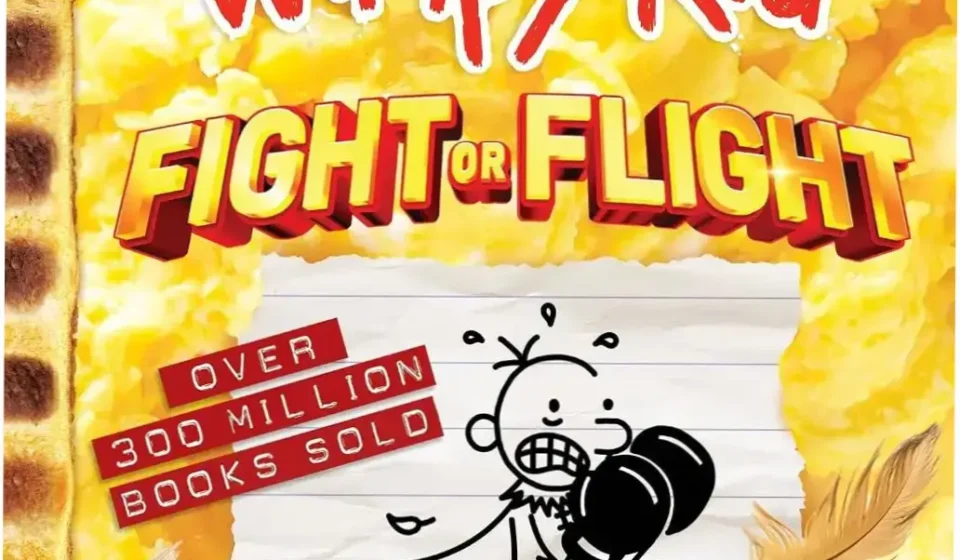
Jeff Kinney has spent two decades documenting this specific brand of misery through Greg Heffley. In the latest installment, Fight or Flight, the stakes move from general awkwardness to active crisis management. It captures that universal fear of having your private thoughts—or your “black book” of social observations—exposed to the very people you’re trying to avoid.
Ready to dive into “Fight or Flight”?
Explore available editions, check current live pricing, or download a free sample directly on Amazon.
Preview Free Sample & Check Price on Amazon
*You will be redirected to Amazon. As an Amazon Associate, we may earn from qualifying purchases.
The “Wimpy” Formula: Pacing and Visual Rhythm
Let’s be honest: by book 21, we know exactly how a Diary of a Wimpy Kid novel works. The hybrid format—handwritten-style font paired with simple line drawings—is no longer a novelty; it’s a genre standard. But that is precisely why it works for the 8-12 demographic.
The pacing in Fight or Flight is relentless. Kinney understands that the modern pre-teen attention span is fragmented. He doesn’t waste time with dense exposition. Instead, he delivers information in “bursts.”
A sentence of text, a punchline drawing, a sudden shift in tone. This creates a reading rhythm that feels more like scrolling through a social media feed than reading a traditional novel. It lowers the barrier to entry for reluctant readers, making the 224 pages fly by.
From a technical standpoint, the layout is a masterclass in “scannability.” The visual cues tell the reader exactly when to laugh and when Greg is spiraling into a panic. It’s efficient, predictable, and highly effective.
The Narrative Catalyst: The Secret Binder
The plot of Fight or Flight hinges on a classic trope: the lost journal. In this case, Greg has a secret binder filled with notes on the school’s biggest bullies. It’s essentially a “survival guide” built on surveillance and social mapping.
This setup is brilliant because it mirrors the internal monologue of every middle schooler. We all keep a mental tally of who is dangerous, who is an ally, and who to avoid in the cafeteria. When this binder falls into the wrong hands, Greg’s internal anxiety becomes an external threat.
The tension isn’t about physical danger; it’s about reputational risk. For a 12-year-old, the idea of your private notes being read aloud is equivalent to a horror movie climax. Kinney leans into this dread with a comedic touch, turning Greg’s desperation into a series of unfortunate events.
The “race against time” structure keeps the momentum high. We aren’t just watching Greg exist; we are watching him try to fix a catastrophic mistake. This gives the book a stronger narrative drive than some of the more episodic entries in the series.
Expectation vs. Reality: Is Book 21 Still Fresh?
The biggest skepticism surrounding a 21st volume is “formula fatigue.” Can Greg Heffley really stay in middle school forever? Is the humor still landing, or is it just repeating the same beats from book 3?
The reality is that Fight or Flight doesn’t try to reinvent the wheel. It doesn’t evolve Greg into a mature protagonist because that would kill the brand. Greg is designed to be eternally flawed, slightly delusional, and perpetually unlucky.
While some long-term fans on platforms like Reddit argue that the series has become too predictable, the core appeal remains the relatability of failure. Most children’s books feature protagonists who learn a valuable lesson and grow. Greg rarely grows. He just survives.
This lack of traditional “character growth” is actually the secret sauce. It provides a safe space for kids to laugh at their own shortcomings. Fight or Flight delivers exactly what the audience expects: high-stress social situations resolved with a shrug and a joke.
| Feature | The
Who This Book Is Actually ForFight or Flight is designed for a very specific demographic: the 8-to-12-year-old crowd and the “reluctant reader.” If you have a child who views a 200-page novel as a chore, the hybrid comic-novel format is a cheat code for engagement. It’s also a mandatory stop for series completionists. By book 21, Jeff Kinney has perfected a formula. You aren’t buying this for a groundbreaking literary shift; you’re buying it for the predictable, cringe-inducing social failures of Greg Heffley. Who Should Skip ItIf you are looking for a story where the protagonist learns a profound moral lesson and grows into a better person, look elsewhere. Greg remains the same delightfully delusional narcissist he was in book one. Adults expecting a “deep dive” into middle school psychology will find it too superficial. This is fast-food literature—satisfying, easy to consume, but lacking in nutritional depth. The Value Proposition: Is it Worth the Money?From a technical standpoint, the value lies in the print length (224 pages) and the hardcover durability. For parents, the “value” is measured in the hours of silence while a child is actually absorbed in a book. However, a common purchasing misstep is treating this as a standalone story. While you can jump in, the humor hits harder when you understand the long-term dynamics between Greg and Rowley. Buying this without the previous volumes is like watching the series finale of a show you’ve never seen. Editorial VerdictThe “secret binder” plot in this volume provides a decent catalyst for conflict, keeping the pace brisk. It doesn’t reinvent the wheel, but the wheel still rolls perfectly. It’s a safe, reliable purchase that delivers exactly what the brand promises: middle-school misery played for laughs. If you’re weighing the cost against the entertainment value, it’s a win for the target age group. You can verify the current pricing and see if there are any bundle deals by checking the latest listing on Amazon. Final Editorial Verdict“Fight or Flight (Diary of a Wimpy Kid #21)” delivers on its core promise for its intended audience, offering compelling insights without fluff. As highlighted in our detailed edition breakdown, its practical depth and readability are its greatest strengths. We also recommend checking the official Kindle sample and reader ratings before making your final purchase decision. *You will be redirected to Amazon. As an Amazon Associate, we earn from qualifying purchases. 
|
|---|