
Moving to a new country isn’t just about changing an address or learning a new language. For a child, it is a violent erasure of identity, where you stop being “the funny kid” or “the artist” and suddenly become a walking geopolitical label.
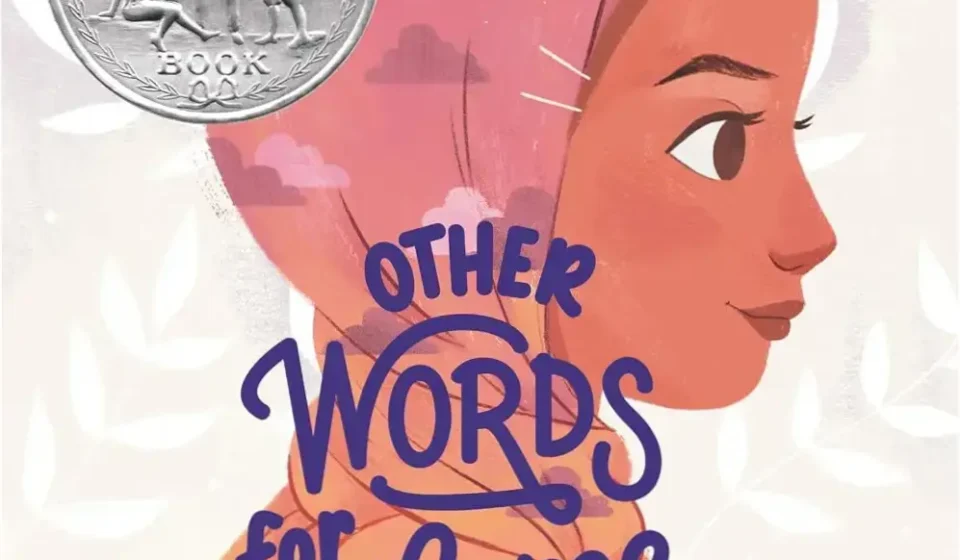
Many readers approach stories about immigration expecting a heavy, academic slog through trauma. However, the real challenge for authors is balancing the crushing weight of displacement with the fragile hope of a twelve-year-old. You can see how this balance resonates with thousands of readers by checking the current reception of Other Words for Home on Amazon.
Ready to dive into “Other Words for Home”?
Explore available editions, check current live pricing, or download a free sample directly on Amazon.
Preview Free Sample & Check Price on Amazon
*You will be redirected to Amazon. As an Amazon Associate, we may earn from qualifying purchases.
The Architecture of Verse: Pacing and Emotional Impact
Jasmine Warga doesn’t write a standard prose novel. She uses a “novel in verse” format. To the skeptical reader, this might look like “less content” or a shortcut to finish a book faster.
In reality, the verse format acts as a precision tool. By stripping away the filler, Warga forces the reader to dwell on the whitespace. The gaps between lines represent the things Jude cannot say.
The pacing is relentless yet airy. You fly through the 341 pages, but the emotional residue lingers. It mirrors the disorientation of immigration: everything is moving too fast, yet the moments of grief feel frozen in time.
“The poetry doesn’t just tell the story; it breathes it. It captures the fragmented nature of a child’s memory when their world is split in two.”
The “Label” Trap: Identity and the American Mirror
One of the most visceral parts of the narrative is Jude’s transition from Syria to Cincinnati. In Syria, she was simply Jude. In America, she is suddenly “Middle Eastern.”
Warga handles this “othering” process with a surgical touch. She shows how the world begins to project expectations and stereotypes onto Jude before she even opens her mouth.
The conflict isn’t just about external bullying; it’s an internal war. Jude struggles to reconcile the movies she loved about America with the stark, loud, and often confusing reality of being an immigrant.
This is where the book gains its real-world value. It teaches young readers—and reminds adults—that identity is often something imposed on us by others, and reclaiming it is the ultimate act of rebellion.
| Reader Perspective | The “Reality” Check |
|---|---|
| Expectation: A sad story about war. | Reality: A story about survival, adaptation, and finding a voice. |
| Expectation: Hard to read poetry. | Reality: Extremely accessible, conversational, and fast-paced. |
| Expectation: Purely for children. | Reality: Deeply resonant for any adult who has felt like an outsider. |
Analyzing the Emotional Core: Separation and Hope
The narrative tension is anchored by the separation of Jude from her father and brother. This isn’t treated as a plot device, but as a constant, aching background noise.
The book avoids the trap of “trauma porn.” While the volatility of Syria is present, the focus remains on the psychological toll of absence. The longing is the protagonist here.
The introduction of the school musical serves as a critical turning point. It represents the shift from passive survival to active participation in a new culture.
Critics on Goodreads often highlight this transition as the book’s strongest suit. It doesn’t offer a “happily ever
Who is this book actually for?
This isn’t a standard narrative. Because it is a novel in verse, it appeals to a very specific psychological profile: the reader who values emotional resonance over dense plot progression.
It is an ideal fit for:
- Middle-grade students (9-12) struggling with themes of belonging or relocation.
- Educators seeking a bridge to discuss the Syrian refugee crisis without overwhelming children with graphic geopolitical data.
- Fans of lyrical storytelling who prefer “white space” on a page, allowing the emotional weight of the words to breathe.
Who should probably SKIP this book?
Despite the Newbery Honor, this isn’t a universal win. You should pass on this if:
- You despise poetry: If you find verse novels fragmented or “too light” compared to traditional prose, the format will frustrate you.
- You want a political treatise: This is a human story, not a political analysis. If you’re looking for a deep dive into the mechanics of the Syrian war, you’ll find the focus too narrow.
- You crave high-octane pacing: The “action” here is internal. The conflict is the quiet ache of missing a father and the anxiety of a new school.
Value Analysis: Expectation vs. Reality
A common purchasing mistake is treating this as a “quick read” simply because there are fewer words per page. While the 341 pages fly by, the emotional processing time is longer.
In terms of value for money, the book excels as a tool for developing emotional intelligence. It doesn’t lecture the reader on immigration; it forces them to feel the disorientation of it. The “value” isn’t in the plot twists, but in the atmospheric shift from the warmth of Syria to the cold, loud confusion of Cincinnati.
Editorial Verdict
Jasmine Warga succeeds in stripping away the “refugee” label to reveal a girl who just wants to be seen. It is a lean, focused piece of literature that avoids the melodrama often found in immigrant narratives. It is a safe, empathetic, and technically proficient entry point into a complex global topic.
For those weighing the purchase, we suggest reviewing the latest community feedback and current pricing via the official Amazon listing to see if the verse format aligns with your reading preferences.
Final Editorial Verdict
“Other Words for Home” delivers on its core promise for its intended audience, offering compelling insights without fluff. As highlighted in our detailed edition breakdown, its practical depth and readability are its greatest strengths.
We also recommend checking the official Kindle sample and reader ratings before making your final purchase decision.
*You will be redirected to Amazon. As an Amazon Associate, we earn from qualifying purchases.