
We live in an era of true crime obsession. Most of us spend our commutes listening to podcasts about cold cases, convinced that we could solve a murder if given the right evidence. It is a strange, modern comfort—consuming tragedy as entertainment from the safety of a couch.
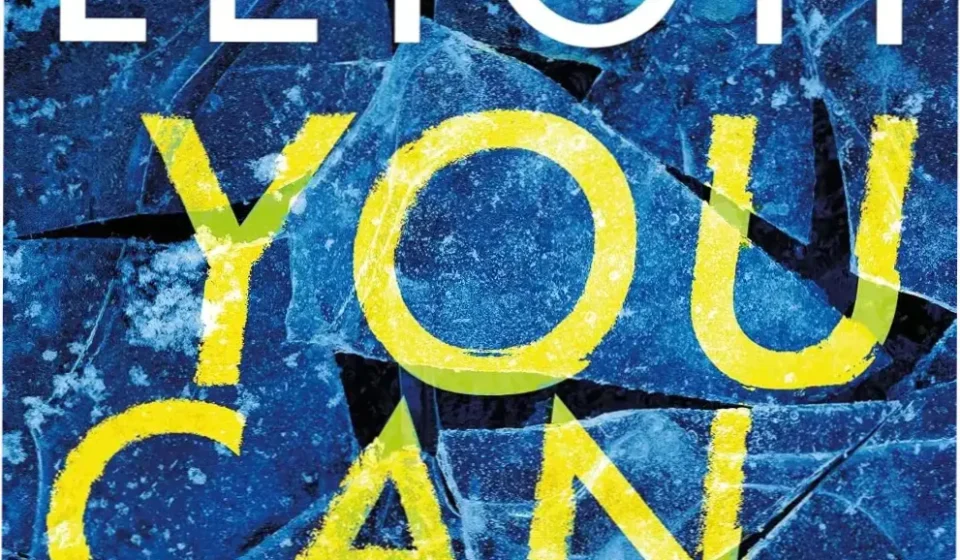
But there is a massive gap between being a listener and being the victim. Melinda Leigh explores this friction in “You Can Tell Me,” where the boundary between professional curiosity and personal trauma vanishes. If you want to see how this narrative holds up against the current wave of psychological thrillers, you can check the current reader reception and availability here.
The book doesn’t just offer a puzzle; it questions the cost of digging too deep. When the “armchair detective” becomes the target, the game changes. It is a high-stakes transition from observer to participant that defines the tension of the Olivia Cruz series.
Ready to dive into “You Can Tell Me (Olivia Cruz Book 1)”?
Explore available editions, check current live pricing, or download a free sample directly on Amazon.
Preview Free Sample & Check Price on Amazon
*You will be redirected to Amazon. As an Amazon Associate, we may earn from qualifying purchases.
The Mechanics of Suspense: Pacing and Narrative Drive
Melinda Leigh doesn’t waste time. The story kicks off with a missing person and a chilling one-word text: “Run.” This is a classic hook, but it works because the stakes are personal.
The pacing is lean. Leigh avoids the common trap of over-describing the scenery. Instead, she focuses on the momentum of the investigation.
The narrative structure mirrors a true crime investigation. We get the clues in real-time alongside Olivia. It creates a symbiotic relationship between the reader and the protagonist.
However, some skeptical readers on Goodreads note that the plot occasionally relies on convenient coincidences. While this happens in most mystery novels, it can occasionally pull you out of the immersion.
“The tension is a slow burn that suddenly accelerates. By the time you realize the trap is set, it’s already closed.”
The Trauma Loop: Character Depth vs. Trope
Olivia Cruz isn’t just a writer; she is a survivor of a horrific kidnapping. This isn’t just “backstory” to make her interesting; it is the engine of her anxiety.
The book explores how trauma alters perception. Olivia doesn’t just see a crime scene; she feels the echo of her own past. This adds a layer of psychological weight that elevates the book above a standard “whodunnit.”
The dynamic between Olivia and the missing Zoe March is the emotional core. Their shared interest in true crime creates a bond that is both supportive and dangerous.
Is Olivia too capable? Perhaps. But the author balances her professional skills with genuine moments of vulnerability and fear.
| Technical Aspect | Analysis | Impact on Reader |
|---|---|---|
| Plot Velocity | High / Linear | Prevents boredom; keeps pages turning. |
| Character Arc | Trauma-driven | Adds emotional stakes to the mystery. |
| Atmosphere | Claustrophobic | Increases the feeling of impending danger. |
The Meta-Narrative: True Crime as a Plot Device
The inclusion of Zoe’s podcast is a clever touch. It allows the author to feed information to the reader through “recorded” evidence without relying on clunky exposition dumps.
It also comments on the nature of the genre. The book asks: what happens when the secrets you uncover for “content” become threats to your life?
This “story within a story” approach keeps the mystery layered. You aren’t just solving Zoe’s disappearance; you are solving the mystery of what Zoe was investigating.
The contrast between the polished nature of a podcast and the raw, terrifying reality of a kidnapping is a sharp, effective literary choice.
Expectation vs. Reality: Is it a Romance or a Thriller?
The book is categorized as “Mystery Romance.” This is where some readers might feel a disconnect. If you are looking for a heavy romance, you’ll be disappointed.
The “romance” here is a subplot. It provides a breather from the intensity of the suspense but never hijacks the plot. It is a slow-burn attraction, not a focal point.
The “Mystery”
Who Should Actually Read This?
This isn’t a book for those seeking a slow-burn literary study on grief. “You Can Tell Me” is engineered for the “true crime” obsessed. If your YouTube history is full of unsolved mysteries and your podcasts are exclusively about cold cases, the narrative rhythm will feel instinctive.
The ideal reader is someone who enjoys the “amateur sleuth” trope where the protagonist has a specific professional skill—in this case, Olivia’s background as a crime writer—that allows her to see patterns the police ignore. It’s a fast-paced, high-tension ride that prioritizes momentum over dense prose.
Who Should Skip It?
- Hard-boiled Procedural Purists: If you require a story driven by forensic evidence and official police protocols, you’ll find the amateur-led investigation frustrating.
- Standalone Seekers: This is Book 1 of a series. If you hate leaving a story on a trajectory that demands a second volume for full resolution, be cautious.
- Anti-Trope Readers: The “missing friend with a secret life” is a staple of the genre. If you’re tired of this specific plot device, there’s nothing here to challenge your expectations.
Value for Money & Realistic Expectations
At 297 pages, the book is lean. There is very little “filler” or unnecessary subplot, which means you get a high information-to-page ratio. From a value perspective, it’s a tight experience that doesn’t overstay its welcome.
The most common mistake buyers make is expecting a deep psychological manual on kidnapping trauma. While Olivia’s past is a catalyst, the book functions more as a suspense thriller than a character study. You are paying for the “puzzle” and the tension, not a philosophical treatise on crime.
Editorial Verdict
Melinda Leigh delivers a professional, polished piece of genre fiction. It doesn’t reinvent the mystery novel, but it executes the established rules with precision. The pacing is its strongest asset, keeping the reader in a state of perpetual skepticism about every character’s motives.
If you are looking for a gripping weekend read that mirrors the energy of a binge-worthy crime documentary, this is a safe bet. You can verify the latest reader sentiment and check for current discounts via the official Amazon listing.
Final Editorial Verdict
“You Can Tell Me (Olivia Cruz Book 1)” delivers on its core promise for its intended audience, offering compelling insights without fluff. As highlighted in our detailed edition breakdown, its practical depth and readability are its greatest strengths.
We also recommend checking the official Kindle sample and reader ratings before making your final purchase decision.
*You will be redirected to Amazon. As an Amazon Associate, we earn from qualifying purchases.