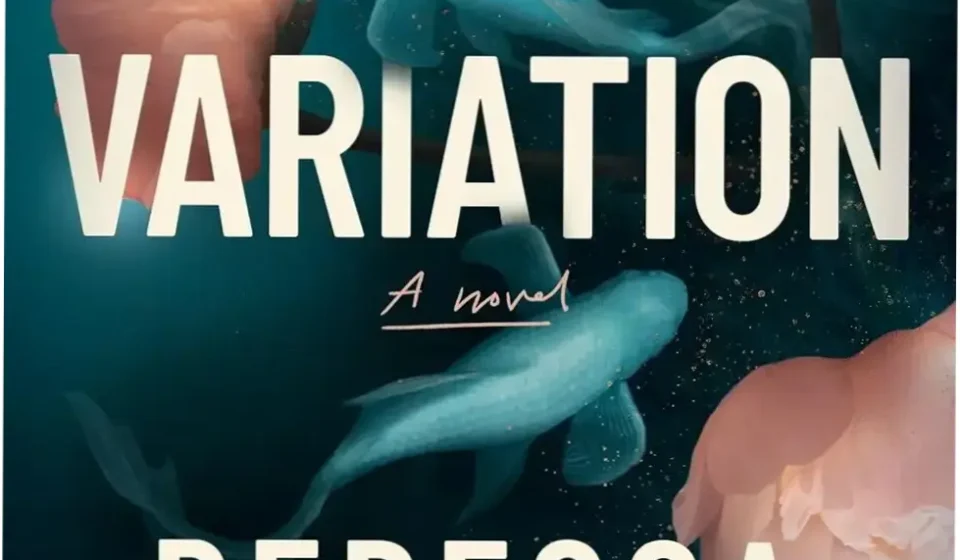

We often mistake success for a straight line, ignoring the wreckage left behind in the pursuit of perfection. For many, the “dream” is actually a gilded cage, where the cost of entry is the abandonment of one’s own happiness and the erasure of past mistakes.
In Variation, Rebecca Yarros pivots from the high-stakes fantasy of dragons to the equally volatile world of elite ballet and Coast Guard rescues. It is a study on the gravity of regret and the fragile hope that some bridges, no matter how burnt, can be rebuilt. You can check the current reader reception and availability here to see if this emotional rollercoaster fits your current mood.
Ready to dive into “Variation”?
Explore available editions, check current live pricing, or download a free sample directly on Amazon.
Preview Free Sample & Check Price on Amazon
*You will be redirected to Amazon. As an Amazon Associate, we may earn from qualifying purchases.
The Yarros Transition: From Dragons to Dance
Coming off the massive success of Fourth Wing, there was a legitimate question: could Rebecca Yarros handle a contemporary setting without the crutch of magic? The answer is a resounding yes, though the “magic” here is replaced by high-octane emotional tension.
The pacing is aggressive. Yarros doesn’t waste time on fluff. She establishes the stakes—Allie’s shattered career and Hudson’s haunting guilt—with surgical precision.
The writing style is conversational yet visceral. She captures the physical toll of ballet and the adrenaline of rescue swimming in a way that feels authentic, not researched. It’s a narrative that breathes, alternating between suffocating pressure and wide-open longing.
| Technical Aspect | Performance | Verdict |
|---|---|---|
| Pacing | Fast/Emotional | Highly Engaging |
| Character Depth | Multi-layered | Realistic Trauma |
| Trope Execution | Second Chance | Fresh Twist |
| Emotional Weight | Heavy | Cathartic |
The Architecture of Regret: Allie and Hudson
The core of Variation isn’t just romance; it’s an autopsy of “what if.” Allie Rousseau is a character defined by external expectations. Her identity was forged in the mirror of her mother’s approval.
When the injury happens, Allie doesn’t just lose her career; she loses her compass. This makes her return home a confrontation with a version of herself she spent years trying to kill.
Then there is Hudson Ellis. He is the classic “strong, silent” type, but Yarros gives him a layer of vulnerability that prevents him from becoming a caricature. His regret isn’t just about a missed connection—it’s about the secrets he carries.
“The thread that tied them to each other all those years ago may have unraveled, but the truth could pull them back together, or drive them apart forever.”
This quote summarizes the tension. The book treats the past not as a memory, but as a living entity that actively interferes with the present.
The Catalyst: Family Secrets and Moral Dilemmas
The plot takes a sharp turn with the arrival of Hudson’s niece. This is where the story moves from a standard “exes-to-lovers” trope into something more complex.
The search for a birth mother adds a layer of urgency and moral ambiguity. It forces Allie and Hudson to communicate, not because they want to, but because they have to.
Skeptically speaking, the “secret child/relative” trope can often feel like a cheap plot device. However, here it serves as a mirror, reflecting the themes of abandonment and the desire for belonging that both protagonists struggle with.
The dialogue in these scenes is sharp. There is a palpable friction between the characters that makes the eventual resolution feel earned rather than forced.
Expectation vs. Reality: The Reader’s Perspective
Scanning through discussions on Reddit and Goodreads, a pattern emerges. Readers expecting a light, fluffy summer romance are often blindsided by the emotional weight of the story.
This isn’t a “beach read” in the traditional sense. It’s a heavy dive into family dysfunction and the psychological impact of perfectionism.
Some critics argue that the drama is “too much,” but for the target audience—those who love high-angst, high-reward narratives—this is exactly the draw. The 4.4-star average across 80k+ reviews suggests that the execution outweighs the melodrama.
Who Is This Book Actually For?
Variation isn’t a light snack; it’s a heavy emotional meal. It targets readers who thrive on second-chance romance and the specific tension of “the one that got away.” If you enjoy narratives where the external conflict—such as career-ending injuries and military duty—mirrors the internal turmoil of the protagonists, this fits your profile.
Specifically, it appeals to those who appreciate the intersection of high-discipline worlds: the rigid perfectionism of elite ballet and the life-or-death stakes of Coast Guard rescue operations. It is designed for the reader who wants to feel the ache of regret before the eventual satisfaction of resolution.
Who Should Skip It?
Avoid this book if you are currently in a “low-drama” phase of your reading life. If your preference is for fast-paced, witty rom-coms with minimal angst, Yarros’s heavy focus on family secrets and deep-seated regret will likely feel exhausting rather than engaging.
Furthermore, a common purchasing misstep is buying this based solely on the author’s success with fantasy. If you are expecting dragons, magic, or the high-octane pacing of “Fourth Wing,” you will be disappointed. This is a grounded, contemporary character study.
Value Analysis & Realistic Expectations
At 459 pages, the value here isn’t found in a twisty, fast-moving plot, but in the psychological unpacking of the characters. You are paying for a comprehensive emotional arc. The narrative density requires patience; it is not a “quick manual” on romance, but a slow-burn exploration of trauma and healing.
- The Pacing: The slow reveal of secrets is intentional, though some skeptical readers may find the “miscommunication” tropes a bit stretched.
- The Depth: The contrast between Allie’s fragile recovery and Hudson’s rigid duty provides a strong technical backbone to the emotional beats.
Editorial Conclusion
Variation succeeds because it doesn’t shy away from the ugliness of regret. It balances the polished glamour of the ballet world with the grit of rescue operations, creating a believable friction. While the “hidden secrets” trope is well-worn in the genre, the execution is polished and emotionally resonant.
For those ready to dive into this contemporary drama, you can verify the latest reader ratings and current pricing here.
Final Editorial Verdict
“Variation” delivers on its core promise for its intended audience, offering compelling insights without fluff. As highlighted in our detailed edition breakdown, its practical depth and readability are its greatest strengths.
We also recommend checking the official Kindle sample and reader ratings before making your final purchase decision.