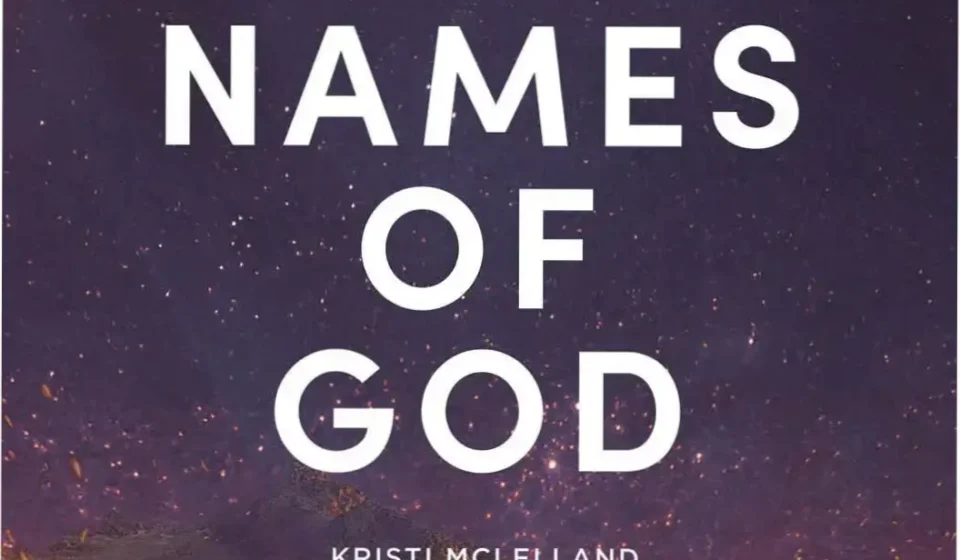

Most spiritual growth hits a wall when generic platitudes stop working. For many women, the concept of God feels like a distant, monolithic entity—someone to be feared or vaguely thanked, but rarely known intimately.
The gap between “knowing about” God and actually “knowing” Him usually requires a bridge of specific, character-driven study. This is where The Names of God Bible Study attempts to step in, moving away from abstract theology toward a more granular, name-by-name exploration of the Divine.
Ready to dive into “The Names of God”?
Explore available editions, check current live pricing, or download a free sample directly on Amazon.
Preview Free Sample & Check Price on Amazon
*You will be redirected to Amazon. As an Amazon Associate, we may earn from qualifying purchases.
The Multi-Teacher Gamble: Diversity vs. Cohesion
The most striking feature of this study is that it isn’t written by a single voice. It’s a collaborative effort featuring six different teachers: Kristi McLelland, Caroline Saunders, Blair Linne, Jennifer Rothschild, Kelly Minter, and Elizabeth Woodson.
From a product standpoint, this is a high-risk, high-reward strategy. The risk? A fragmented reading experience where the tone shifts abruptly every few chapters.
The reward, however, is a multifaceted perspective. By rotating teachers, the study avoids the “echo chamber” effect. You get a mix of historical insight, emotional testimony, and rigorous scriptural analysis.
For example, Kristi McLelland brings a heavy dose of historical context, while Kelly Minter focuses on the transformative power of the New Testament. This prevents the material from feeling like a repetitive lecture.
Skeptics might argue that “too many cooks spoil the broth,” but in the context of a Bible study, this diversity mimics a real-life small group discussion, making the learning curve feel more natural and less academic.
The Hybrid Model: Paperback Meets Digital
This isn’t just a book; it’s a multimedia package. The inclusion of eight teaching videos (31-45 minutes each) transforms the paperback from a passive reading experience into an active course.
The structure is disciplined: 8 group sessions paired with 7 weeks of personal study. This creates a forced cadence that prevents the common “I’ll start next week” syndrome.
However, the “redemption code” system is a potential friction point. In an era of instant streaming, requiring a user to find a code in a physical book to unlock digital content can be a minor annoyance.
But once inside, the value is evident. The videos aren’t just repetitions of the text; they include panel conversations and spoken word segments by Blair Linne, adding an emotional layer that print cannot convey.
| Component | Format | Purpose | Investment |
|---|---|---|---|
| Study Guide | Paperback | Personal reflection & notes | 7 Weeks of study |
| Teaching Videos | Digital | Theological framing & context | ~5 hours total |
| Group Sessions | Interactive | Community application | 8 Live meetings |
Theological Depth: Surface Level or Deep Dive?
Many “studies for women” fall into the trap of being overly sentimental, prioritizing “feel-good” anecdotes over hard theology. This study attempts to dodge that bullet.
By focusing on specific names—Elohim, Yahweh, El-Roi—the authors force the reader to engage with the Hebrew and Greek roots of the faith. It moves the conversation from “God is good” to “Why is God called the Lord of Hosts, and what does that mean for my current crisis?”
The progression is logical. It starts with the foundational names in Genesis, moves through the Fatherhood of God in Exodus, explores the peace of the Psalms, and culminates in the identity of Jesus and the Holy Spirit.
The “Living the Name” finale is where the rubber meets the road. It challenges the reader to stop treating
Who This Study Is Actually For
This isn’t a textbook for theological scholars or a quick-read devotional. It is a structured curriculum designed for women who prefer a guided, multimedia experience over solitary reading.
The ideal reader is someone who thrives in a “classroom” environment—even if they are studying alone. If you value diverse perspectives, the combination of six different teachers prevents the content from feeling monotonous.
You should probably skip this if:
- You are looking for a deep-dive academic linguistic analysis of Hebrew and Greek roots.
- You have a strong aversion to video content or lack the time to commit to 30-50 minute sessions.
- You prefer a linear, single-author narrative rather than a collaborative teaching approach.
The “Value for Money” Reality Check
The biggest purchasing mistake here is treating this as a standard paperback. If you buy this expecting a simple book, you’re ignoring half the value.
The cost is justified by the video ecosystem. You aren’t just paying for 224 pages; you’re paying for a curated course. However, if you don’t intend to use the redemption code for the videos, the price-to-content ratio drops significantly.
Quick FAQ for the Skeptic:
- Is it too long? 8 sessions over 7 weeks is a commitment. It’s a marathon, not a sprint.
- Is it repetitive? Because there are six authors, there is a risk of overlapping themes, but the distinct “voices” (from spoken word to historical insight) generally mitigate this.
- Is the video access seamless? It relies on a redemption code. Ensure your copy is new or the code is unused to get the full experience.
Editorial Conclusion
The “Names of God” study succeeds because it bridges the gap between intellectual knowledge (what the names mean) and emotional application (how those names change your life). It doesn’t just list titles; it contextualizes them through the Trinity.
While it requires a higher time investment than a standard book, the reward is a more holistic understanding of the divine character. For those ready to commit to the 8-week journey, it’s a high-yield investment in spiritual growth. You can check current reader ratings and pricing on Amazon to see if it fits your current budget.
Final Editorial Verdict
“The Names of God – Bible Study for Women with Video Access” delivers on its core promise for its intended audience, offering compelling insights without fluff. As highlighted in our detailed edition breakdown, its practical depth and readability are its greatest strengths.
We also recommend checking the official Kindle sample and reader ratings before making your final purchase decision.
*You will be redirected to Amazon. As an Amazon Associate, we earn from qualifying purchases.