
In an era of instant gratification and fragmented digital communication, the act of writing a letter has become almost an act of rebellion. We exchange rapid-fire texts and ephemeral stories, often sacrificing depth for speed. This disconnect creates a quiet, pervasive loneliness—a feeling that while we are more connected than ever, we are understood less than ever before.
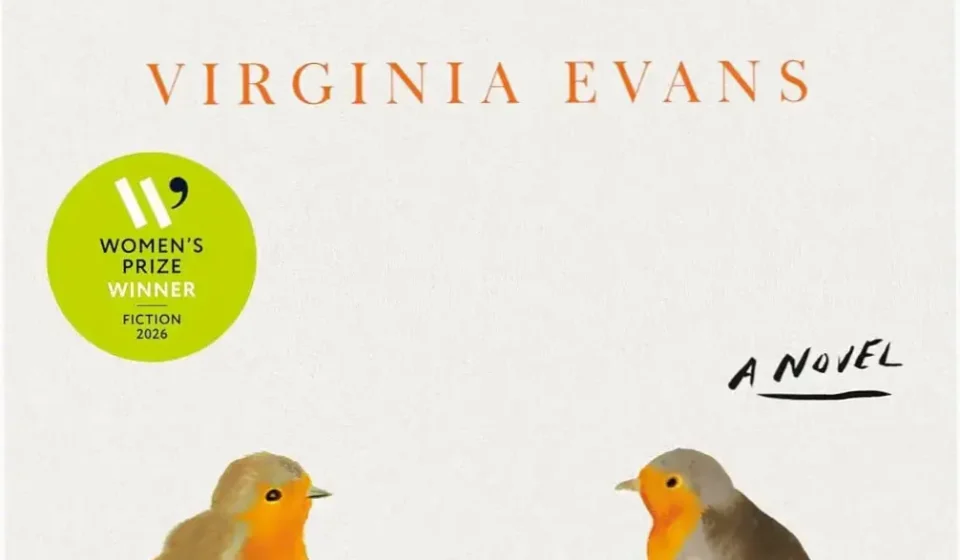
Virginia Evans taps into this collective nostalgia and emotional void with “The Correspondent.” It isn’t just a story about mail; it is an investigation into how we archive our lives and who we choose to forgive when the clock is running out. If you are tired of the noise and seeking a narrative that values silence and reflection, you can explore the current editions and reader reviews of this novel to see if its pacing aligns with your current mood.
Ready to dive into “The Correspondent”?
Explore available editions, check current live pricing, or download a free sample directly on Amazon.
Preview Free Sample & Check Price on Amazon
*You will be redirected to Amazon. As an Amazon Associate, we may earn from qualifying purchases.
The Architecture of Introspection: Style and Pacing
Let’s be clear: this is not a book for those seeking a high-octane plot. “The Correspondent” operates on a frequency of stillness. Virginia Evans employs a prose style that mirrors the act of letter writing itself—deliberate, rhythmic, and deeply personal.
The pacing is a “slow burn,” but not in the way a mystery is. It is a slow burn of character revelation. We are introduced to Sybil Van Antwerp not through a series of dramatic events, but through her habits. Her 10:30 AM ritual of writing letters serves as the heartbeat of the novel.
Some readers on platforms like Goodreads have complained that the story “meanders.” From a technical standpoint, this meandering is intentional. Evans is recreating the experience of a life lived—where the most significant realizations often happen in the gaps between major events.
The writing is sophisticated without being pretentious. It manages to capture the voice of a distinguished lawyer who has seen the worst of human nature but still clings to the hope found in literature. This duality creates a tension that keeps the pages turning, even when “nothing” is happening externally.
The Narrative Engine: Letters as Memory
The core of the novel relies on the concept of the “unsent letter.” Sybil writes to everyone—from university presidents to literary giants like Joan Didion—but the most critical narrative thread is the letter she writes but never sends.
This creates a brilliant psychological loop. The reader is privy to Sybil’s internal monologue, her regrets, and her hidden vulnerabilities, while the world around her sees only the polished exterior of a successful professional.
When letters from her past finally arrive, they act as a catalyst. They don’t just provide information; they force a collision between who Sybil was and who she has become. The structure effectively uses these external prompts to unlock internal archives of pain and longing.
“Imagine, the letters one has sent out into the world… are like the pieces of a magnificent puzzle.”
This quote encapsulates the book’s philosophy. Life is presented as a fragmented puzzle, and the act of writing is the only way to assemble the pieces into something resembling a coherent truth.
| Technical Aspect | Analytical Verdict |
|---|---|
| Narrative Pace | Meditative / Slow |
| Character Depth | Exceptional / Multilayered |
| Emotional Weight | High / Cathartic |
| Plot Complexity | Low (Focus is on internal growth) |
The Clash of Ages: Hubris vs. Wisdom
One of the most potent themes in “The Correspondent” is the contrast between the arrogance of youth and the clarity of old age. Sybil is a character who has navigated the heights of professional success and the depths of personal divorce.
Evans avoids the cliché of the “sweet grandmother.” Sybil is sharp, sometimes stubborn, and carries a heavy burden of mistakes. This makes her journey toward forgiveness feel earned rather than sentimental.
The novel argues that wisdom is not the absence of mistakes, but the ability to look back at those
Who This Book Is Actually For
The Correspondent isn’t a page-turner in the traditional, adrenaline-fueled sense. It is a slow-burn character study. If you appreciate the “quiet” side of literary fiction—where the tension lies in a comma or a withheld sentence rather than a plot twist—this is your territory.
The ideal reader is someone who finds solace in the epistolary format. It appeals to those who believe that the written word captures a version of the truth that spoken conversation often misses. If you enjoy authors like Ann Patchett or the reflective pacing of a memoir, Sybil Van Antwerp will feel like a familiar, if complex, companion.
Who Should Skip It
Be honest with your reading habits before buying. You should probably skip this book if:
- You crave high-velocity plots: There are no ticking clocks or explosive cliffhangers here.
- You dislike “internal” narratives: Much of the action happens within Sybil’s psyche and her correspondence.
- You prefer linear, uncomplicated storytelling: The exploration of past pain and fragmented memories requires a level of patience.
The “Value for Money” Reality Check
At 304 pages, this is a lean novel. You aren’t paying for filler or bloated descriptions. You are paying for precision. The value here lies in the emotional ROI—the “aha” moments regarding aging, regret, and the hubris of youth.
A common purchasing mistake is treating this as a light “beach read.” It isn’t. It’s a book that demands a cup of tea and a quiet room. If you try to rush through it, you’ll miss the subtle architecture of the forgiveness arc that makes the ending land with such weight.
Editorial Verdict: Is It Worth the Hype?
With over two million copies sold and multiple awards, the hype is significant. Does it deliver? Yes, but specifically as a mirror. It forces the reader to examine their own “unsent letters” and unresolved ghosts.
It succeeds because it doesn’t try to be everything to everyone. It is an intimate, sometimes painful, but ultimately rewarding exploration of human connection. To see if the prose style resonates with you, it’s worth checking the current reader ratings and verified reviews on Amazon.
Final Editorial Verdict
“The Correspondent” delivers on its core promise for its intended audience, offering compelling insights without fluff. As highlighted in our detailed edition breakdown, its practical depth and readability are its greatest strengths.
We also recommend checking the official Kindle sample and reader ratings before making your final purchase decision.
*You will be redirected to Amazon. As an Amazon Associate, we earn from qualifying purchases.