
Most of us view the concept of “home” as a sanctuary, a place where the walls provide safety and the people inside offer unconditional love. It is a fundamental human assumption that parents are the primary protectors of their children. But what happens when the protector is actually the predator? When the person who should be your safe harbor is the one orchestrating a meticulously designed house of horrors?
True crime often flirts with the macabre, but there is a specific, visceral discomfort in stories of familial betrayal. Readers typically approach a book like If You Tell expecting a shocking narrative, yet they often find themselves grappling with the psychological weight of survival. It isn’t just about the crimes committed; it is about the endurance of the human spirit under conditions that should, by all logic, break it completely.
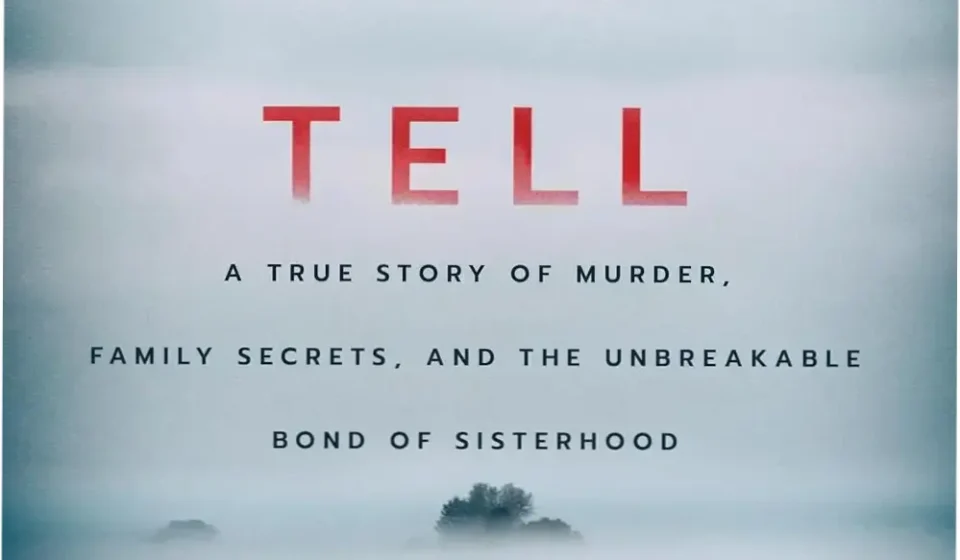
Ready to dive into “If You Tell: A True Story of Murder, Family Secrets, and the Unbreakable Bond of Sisterhood”?
Explore available editions, check current live pricing, or download a free sample directly on Amazon.
Preview Free Sample & Check Price on Amazon
*You will be redirected to Amazon. As an Amazon Associate, we may earn from qualifying purchases.
The Narrative Engine: Pacing and Precision
Gregg Olsen doesn’t write true crime like a police report. He writes it like a psychological thriller, which is a dangerous tightrope to walk. If he leans too far into the “thriller” aspect, he risks sensationalizing trauma. If he’s too dry, the sheer horror of the Knotek household becomes an academic exercise.
Olsen finds the balance by focusing on the atmospheric dread. He builds the farmhouse in Raymond, Washington, as a character itself—a claustrophobic space where the rules change based on the mother’s whims. The pacing is deliberate. He doesn’t dump all the atrocities on page one.
Instead, he layers the abuse. It starts with psychological manipulation and escalates into physical torture. This mirrors the actual experience of the victims: the slow normalization of the unthinkable. By the time the narrative reaches the multiple murders, the reader is already emotionally exhausted, which is exactly how the sisters felt.
The Anatomy of a “House of Horrors”
The core of this book isn’t the murder; it’s the systemic degradation. Shelly Knotek didn’t just abuse her children; she attempted to erase their identities. The use of “psychic terrors” mentioned in the technical specs is the most disturbing element here.
The book explores the “dark web” of control. Shelly didn’t just use violence; she used isolation and secrecy. This creates a fascinating, albeit grim, study in power dynamics. The sisters weren’t just fighting for their lives; they were fighting to maintain a shred of reality in a world where their mother defined what was true.
Many readers on Goodreads have noted that the “unbelievable” nature of the abuse is what makes the book so gripping. It pushes the boundaries of what the reader believes a human being is capable of doing to their own offspring. It forces a skeptical reader to question the failures of the social systems that should have intervened.
| Analysis Dimension | Observation | Impact on Reader |
|---|---|---|
| Narrative Tone | Clinical yet empathetic | Prevents the book from feeling like “misery porn” |
| Structural Flow | Chronological escalation | Increases tension and emotional investment |
| Psychological Depth | Focus on trauma bonding | Provides insight into survivor resilience |
The Survival Mechanism: Sisterhood vs. Sadism
The most compelling argument Olsen makes is that the bond between Nikki, Sami, and Tori was their only viable weapon. In most abuse cases, the abuser tries to turn the victims against each other to prevent a unified front. Shelly tried, but she failed.
This “defiant bond” is the emotional anchor of the story. The sisters created a secret language and a hidden support system. It transforms the book from a story of victimization into a story of strategic survival. They weren’t just passive victims; they were collaborators in their own rescue.
“Sisters forever, victims no more.” This isn’t just a marketing tagline; it’s the thesis of the book. The transition from the “house of horrors” to the courtroom represents the reclamation of their own narratives.
From a technical standpoint, this thematic arc is what saves the book from being purely depressing. It provides a “light in the darkness,” giving the reader a reason to keep turning the pages despite the harrowing content.
Expectation vs. Reality: Is it Too Much?
When you see a book with over 180,000 Amazon ratings and a #1 bestseller tag, you
Who This Book Is Actually For
If You Tell isn’t for the casual “true crime” fan who enjoys a quick mystery solved in 200 pages. This is a heavy, psychological endurance test. It is specifically designed for readers who prioritize the human element of survival over the clinical details of a crime scene.
The ideal reader is someone who appreciates narrative non-fiction that reads like a novel but carries the weight of absolute truth. If you are interested in the dynamics of narcissistic abuse, the psychology of trauma bonds, and the mechanics of resilience, this book provides a visceral case study.
Who Should Skip This Book
Be honest with yourself: if you are currently in a fragile mental state or have a low tolerance for detailed descriptions of domestic torture and child abuse, put this book back.
This is not a “cozy” mystery. It is a harrowing account of systemic cruelty. If you prefer procedural dramas where the focus is on the police work rather than the victim’s psychic agony, you will likely find this too oppressive.
Value Analysis: Investment vs. Reward
At over 400 pages, the investment is significant. However, the value lies in Olsen’s ability to transform a “house of horrors” story into a study of sisterly bonds. You aren’t paying for a plot twist; you are paying for a documented journey from absolute darkness to justice.
Common Purchasing Misstep: Expecting a fast-paced thriller. While the tension is high, the pacing is deliberate. It lingers on the trauma because the trauma is the point. Treating this as a “beach read” is a mistake.
Quick Editorial FAQ
- Is it too graphic? Yes, for many. The abuse is detailed and disturbing.
- Does it offer closure? Yes. The narrative arc moves from victimization to empowerment.
- Is the writing style accessible? Extremely. Olsen avoids academic jargon in favor of a direct, cinematic approach.
Ultimately, this is a masterclass in survivor storytelling. It strips away the glamour often associated with true crime to reveal the raw, ugly reality of familial betrayal. To see how other survivors have rated this narrative or to find current pricing, you can check the latest reader reviews on Amazon.
Final Editorial Verdict
“If You Tell” delivers on its core promise for its intended audience, offering compelling insights without fluff. As highlighted in our detailed edition breakdown, its practical depth and readability are its greatest strengths.
We also recommend checking the official Kindle sample and reader ratings before making your final purchase decision.
*You will be redirected to Amazon. As an Amazon Associate, we earn from qualifying purchases.