
We spend billions annually on serums, surgeries, and supplements designed to freeze the clock. The cultural narrative is clear: aging is a steep descent into irrelevance, a biological failure to be delayed at all costs. This obsession doesn’t just fuel an industry; it creates a psychological crisis where the elderly are viewed as obsolete and the young live in a state of preemptive mourning for their youth.
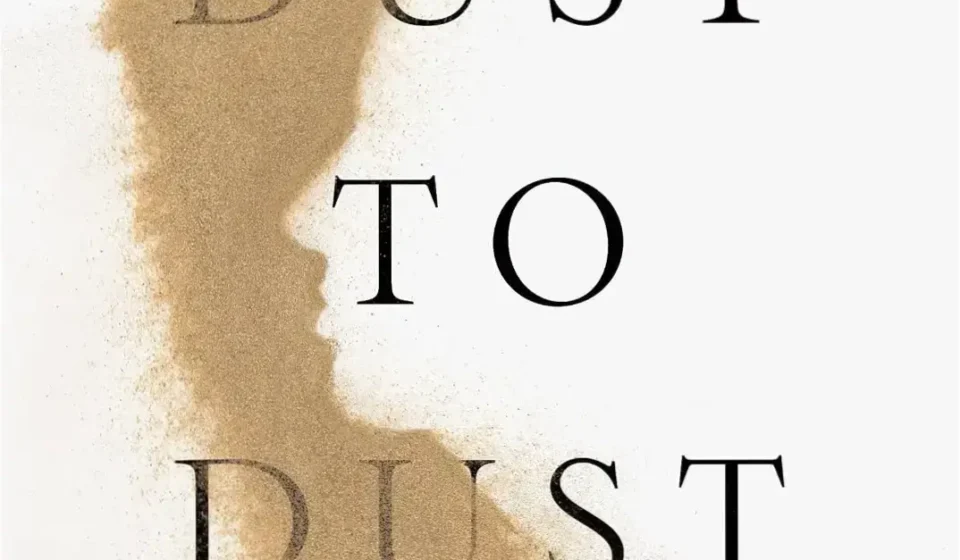
Jen Wilkin’s Dust to Dust enters this conversation not as a self-help guide, but as a theological intervention. It challenges the “anti-aging” pathology by proposing that aging is actually a process of increasing value. To see how this counter-cultural perspective is being received by readers facing these exact anxieties, you can check the current availability and reviews on Amazon.
Ready to dive into “Dust to Dust: Aging Wisely in an Anti-Aging World”?
Explore available editions, check current live pricing, or download a free sample directly on Amazon.
Preview Free Sample & Check Price on Amazon
*You will be redirected to Amazon. As an Amazon Associate, we may earn from qualifying purchases.
The Architecture of Aging: A Chiastic Approach
Wilkin doesn’t just offer platitudes about “growing old gracefully.” She employs a sophisticated literary structure known as a chiastic poem to map out the human experience.
For the uninitiated, a chiasm is a symmetrical structure where ideas are presented and then mirrored in reverse order. Wilkin uses this to draw poetic parallels between the first half of life and the second.
This technical choice is brilliant because it removes the “linear decline” narrative. Instead of a cliff, she presents life as a circle of give-and-take.
The reading experience is therefore less like a lecture and more like a mirror. You aren’t just reading about the elderly; you are reading about the inevitable trajectory of your own existence.
| Technical Specification | Detail |
|---|---|
| Author | Jen Wilkin |
| Core Theme | Biblical Perspective on Aging |
| Format | Paperback (208 pages) |
| Primary Framework | Chiastic Symmetry |
| Market Position | #1 Best Seller in Christian Meditation |
Dismantling the “Anti-Aging” Mindset
The core argument is a direct attack on the modern “youth-at-all-costs” mentality. Wilkin argues that fighting age is essentially fighting God’s design.
She addresses the fear of irrelevance. In a productivity-obsessed society, we equate our value with what we can “do” or how we “look.” When those fade, we feel worthless.
Wilkin pivots this. She suggests that the second half of life is not about losing abilities, but about gaining a different kind of potentiality: Biblical Wisdom.
This is where the book moves from theoretical to provocative. It asks the reader to stop treating their body like a failing machine and start treating it as a steward of a lifelong story.
“The world tells us that aging is a steep descent into irrelevance… But Scripture reveals a markedly different pattern of life, one of increasing value.”
Practical Utility: Caregiving and Body Image
A common criticism of theological books is that they stay in the clouds. Wilkin avoids this by grounding her analysis in the grit of daily life.
She tackles caregiving with a refreshing honesty. She doesn’t romanticize it; she acknowledges the changing realities of physical abilities and the emotional toll of role reversal.
The sections on body image are particularly sharp. She challenges the reader to stop viewing the mirror as an enemy and instead see the physical changes as markers of a life lived.
This practical application is why the book resonates across age groups. It’s as much for the 25-year-old fearing their first wrinkle as it is for the 70-year-old navigating loss of independence.
Who Should Actually Read This?
Dust to Dust isn’t a generic self-help guide for the elderly. It is a theological recalibration. The ideal reader is the Christian currently feeling the friction between a culture that worships youth and a faith that honors wisdom.
It serves three distinct profiles:
- The 20-something: Who needs to understand that life isn’t a peak that ends at 30, but a symmetrical journey.
- The Mid-lifer: Currently navigating the “sandwich generation” stress of caring for children and aging parents.
- The Senior: Seeking a biblical defense against the feeling of societal irrelevance.
Who Should Skip It?
Avoid this book if you are looking for a practical manual on retirement planning, medical advice for longevity, or a secular psychological approach to aging. Jen Wilkin is not providing a “10-step plan to stay young.”
If your goal is to find “hacks” to avoid the physical realities of aging, you will find this book frustrating. It doesn’t offer a way out; it offers a way through.
Value Analysis: Mindset vs. Manual
A common purchasing mistake with this title is expecting a “how-to” guide. This is a meditative work. The value is not in the what to do, but in the how to think.
At 208 pages, the length is lean. There is no fluff. Wilkin uses a chiastic structure—essentially a literary mirror—to show how the dependencies of infancy are mirrored in the dependencies of old age. This analytical approach elevates the book from a mere devotional to a serious study of the human arc.
Editorial Verdict
The book succeeds because it attacks the “anti-aging” mindset with surgical precision. It replaces the fear of decline with the pursuit of biblical wisdom. While it may feel too “theological” for some, that is exactly where its strength lies. It provides a foundation that a standard motivational book cannot.
For those ready to stop fighting the clock and start stewarding their time, this is a high-value investment. You can verify the current pricing and see if other readers share this perspective by visiting the official product page on Amazon.
Final Editorial Verdict
“Dust to Dust: Aging Wisely in an Anti-Aging World” delivers on its core promise for its intended audience, offering compelling insights without fluff. As highlighted in our detailed edition breakdown, its practical depth and readability are its greatest strengths.
We also recommend checking the official Kindle sample and reader ratings before making your final purchase decision.
*You will be redirected to Amazon. As an Amazon Associate, we earn from qualifying purchases.