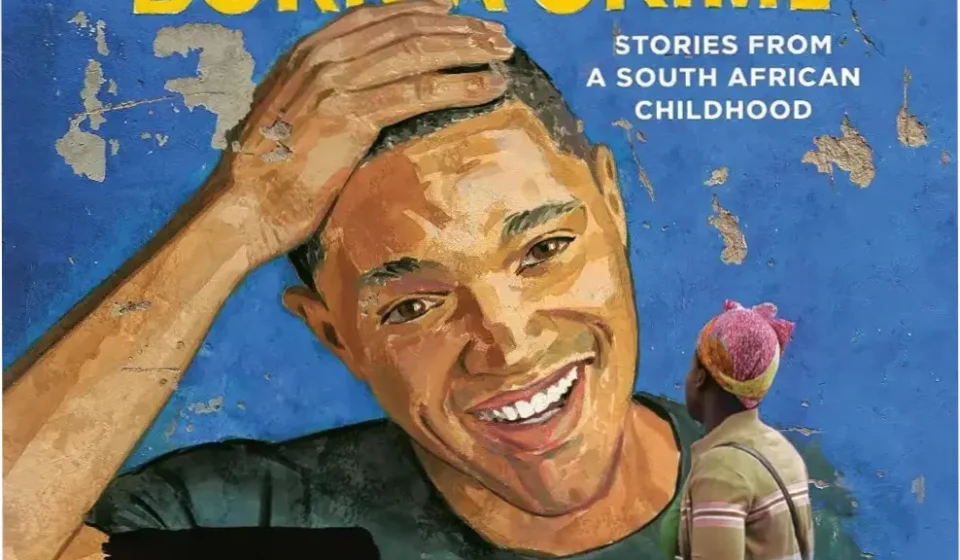

Most people approach celebrity memoirs with a healthy dose of skepticism. We expect a polished, ghost-written narrative designed to maintain a public image. We expect the “triumph over adversity” trope served with a side of sanitized nostalgia.
Trevor Noah’s “Born a Crime” isn’t that. It addresses a visceral, systemic horror—Apartheid South Africa—through the lens of a child who was, quite literally, illegal by birth. It’s a study on identity, survival, and the absurd logic of institutionalized racism. You can see the massive reader reception and current availability on Amazon, where it maintains a staggering rating across hundreds of thousands of reviews.
The book challenges the reader to find the thin line between tragedy and comedy. It asks a fundamental question: how do you build a sense of self when the law of your land defines your very existence as a criminal act? For the reader, the expectation is usually “something funny from the Daily Show guy,” but the reality is a searing piece of social commentary.
Ready to dive into “Born a Crime”?
Explore available editions, check current live pricing, or download a free sample directly on Amazon.
Preview Free Sample & Check Price on Amazon
*You will be redirected to Amazon. As an Amazon Associate, we may earn from qualifying purchases.
The Architecture of “Laughing Through the Pain”
Noah’s writing style is a tightrope walk. He uses the pacing of a stand-up set to deliver information that is, in many cases, devastating. The book doesn’t follow a traditional linear autobiography; it’s a series of interconnected essays that paint a portrait of a fractured society.
The genius here is the “sugar-coating” of the trauma. By framing the brutality of the South African police or the poverty of the townships with incisive wit, Noah makes the horror digestible without stripping away its power. It’s a psychological defense mechanism turned into a literary device.
Many readers on Goodreads highlight this specific duality. They describe the experience as “laughing out loud on one page and sobbing on the next.” This isn’t accidental; it’s a reflection of the survival strategy Noah had to adopt as a child.
The Maternal Engine: Patricia Noah
While the book is titled “Born a Crime,” the real protagonist is arguably Trevor’s mother, Patricia. She is the catalyst for everything. She didn’t just raise a son; she engineered a human being capable of surviving a system designed to crush him.
The relationship is portrayed as a partnership. Patricia’s rebellious nature—her refusal to accept the limitations placed on black women—is the blueprint for Trevor’s own adaptability. She taught him to think critically about a world that told him he was nothing.
The narrative culminates in a raw exploration of domestic violence and faith. The ending isn’t a neat, Hollywood bow. It’s a gritty, honest look at the scars left by both the state and the home, making the emotional payoff feel earned rather than forced.
| Key Metric | Analysis |
|---|---|
| Narrative Pace | Fast, episodic, and high-energy. |
| Emotional Weight | Heavy, but balanced by sharp humor. |
| Readability | latest reader reviews and pricing options to see if the paperback or digital version suits your reading habits better.
Final Editorial Verdict“Born a Crime: Stories from a South African Childhood” delivers on its core promise for its intended audience, offering compelling insights without fluff. As highlighted in our detailed edition breakdown, its practical depth and readability are its greatest strengths. We also recommend checking the official Kindle sample and reader ratings before making your final purchase decision. *You will be redirected to Amazon. As an Amazon Associate, we earn from qualifying purchases. 
|