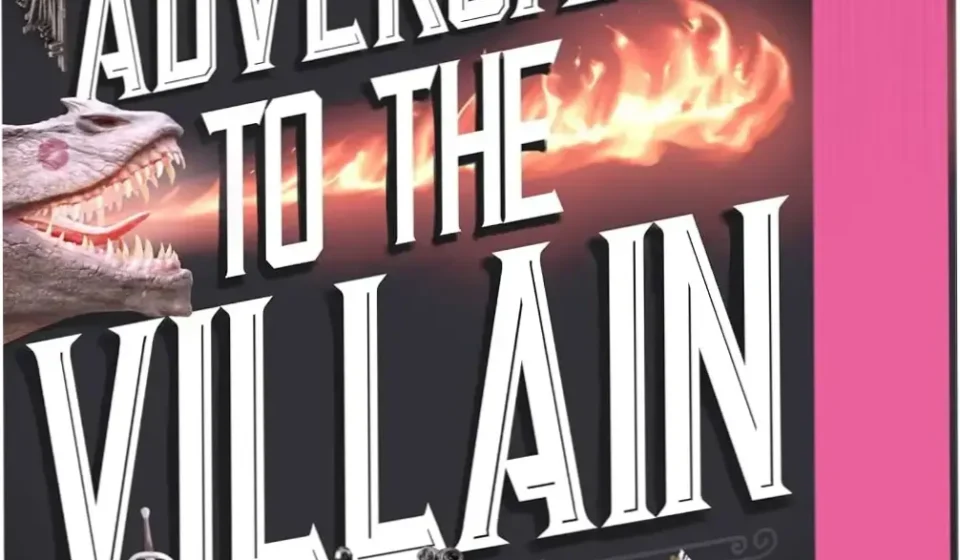

We have all experienced those professional moments where we feel like we are playing a role we never actually signed up for. One minute you are the reliable, invisible employee; the next, you are the central figure in a corporate crisis you didn’t create.
In the realm of “Cozy Fantasy,” this feeling is amplified into a narrative engine. Hannah Nicole Maehrer takes the anxiety of career instability and blends it with high-stakes magic, creating a niche where the “villainy” is more about aesthetic and attitude than actual malice. If you are looking to see how the community is reacting to the latest installment, you can check the current reader reception and availability here.
Ready to dive into “Adversary to the Villain”?
Explore available editions, check current live pricing, or download a free sample directly on Amazon.
Preview Free Sample & Check Price on Amazon
*You will be redirected to Amazon. As an Amazon Associate, we may earn from qualifying purchases.
The “Cozy” Paradox: High Stakes, Low Stress
Let’s be skeptical for a moment. How can a book be about a “Villain” and a “dangerous prophecy” while remaining “Cozy”? Usually, these are contradictory terms.
Maehrer solves this by prioritizing character chemistry over existential dread. The tension doesn’t come from the fear of the world ending, but from the fear of a professional boundary being crossed.
The pacing in Adversary to the Villain maintains the series’ signature rhythm. It is a slow burn that doesn’t feel stagnant because the dialogue is sharp and the humor is self-aware.
For readers coming from heavy grimdark fantasy, this is a palate cleanser. It doesn’t try to be Game of Thrones; it tries to be a romantic comedy with a magic system that occasionally gets in the way of a good kiss.
The Evolution of the “Villain Era”
Evie Sage’s character arc in Book 4 is a fascinating study of perceived identity. She is thrust into the role of “Adversary,” a title she didn’t apply for but finds strangely fitting.
There is a relatable human truth here: sometimes it is easier to embrace the “villain” label the world gives you than to keep fighting for a “hero” status that feels fake.
The narrative explores the “villain era” trend—not as a descent into darkness, but as an act of empowerment. Evie isn’t becoming evil; she is becoming assertive.
However, this shift creates a delicious friction with Trystan. The dynamic flips. As Evie leans into her supposed darkness, Trystan begins to exhibit the traits of a traditional hero.
“If you’re going to be accused of evil anyway, you might as well commit.”
This mindset is the core of the book’s appeal. It transforms a typical fantasy quest into a journey of self-actualization through irony.
Technical Breakdown: Narrative Structure
From a structural standpoint, this book functions as the bridge to the series finale. It focuses heavily on the “race to claim artifacts,” which provides the necessary momentum to keep the plot moving.
The magic system remains soft and intuitive, which is a deliberate choice for the genre. You aren’t here for a textbook on mana; you are here for the emotional payoffs.
| Feature | Analysis | Verdict |
|---|---|---|
| Pacing | Conversational and episodic | Balanced |
| Character Growth | Evie’s transition from helper to adversary | Strong |
| World Building | Expansion of Rennedawn’s political stakes | Moderate |
| Romantic Tension | High-density “will-they-won’t-they” | Elite |
The Reader’s Verdict: Expectation vs. Reality
Scanning through Goodreads and Amazon reviews, a clear pattern emerges. The “purist” fantasy reader often finds the plot too light, while the “Romantasy” enthusiast finds it addictive.
The 3.9 rating on Goodreads suggests a slight divide. Some readers feel the “cozy” element occasionally softens the stakes too much, making the prophecy feel less threatening.
But for the target audience, this is the point. The value isn’t in the resolution of the prophecy, but in the evolution of the relationship between the Assistant and the Villain.
The “professionalism” trope—where Trystan struggles to keep things business-like while clearly being inf
Who This Book Is Actually For
Adversary to the Villain isn’t for the hardcore grimdark enthusiast. If you are looking for blood-soaked battlefields and nihilistic philosophy, keep walking.
This is a “comfort read.” It is designed for the reader who wants the aesthetics of a fantasy world—magic, prophecies, and royal intrigue—but with the emotional safety of a romantic comedy.
The ideal reader enjoys the “slow-burn” tension where the chemistry is palpable but the payoff is teased. If you love the trope of a competent assistant becoming indispensable to a chaotic boss, this hits the mark perfectly.
Who Should Probably Skip It
- The Hardcore Lore-Hunters: If you require 50 pages of world-building and detailed maps to feel immersed, the “cozy” nature of this series might feel too light for you.
- Standalone Seekers: This is Book 4. Attempting to read this without the previous three is a recipe for confusion and missed emotional beats.
- Pace-Hunters: If you want a plot that moves like a bullet train, the whimsical, character-driven banter here might feel like a detour.
Common Purchasing Missteps
The biggest mistake buyers make with this series is treating it like a traditional “Villain” story. Despite the title, the “villainy” here is often a stylistic choice or a social label rather than true malevolence.
Don’t buy this expecting a dark psychological thriller. Buy it expecting a cozy blanket in book form with a side of romantic tension.
Quick Analysis FAQ
| Question | Direct Answer |
|---|---|
| Is it a standalone? | No. It is the 4th book in the Assistant and the Villain series. |
| Is the romance explicit? | It leans heavily into the “Romantic Comedy” side—expect tension and chemistry over graphic content. |
| Is the tone consistent? | Yes. It maintains the witty, lighthearted, and slightly absurd tone of the previous installments. |
Editorial Conclusion: Is It Worth It?
From a value perspective, 352 pages of high-quality banter and character growth provide a solid return on investment for fans of the genre. It successfully balances the stakes of a prophecy with the levity of a workplace comedy.
While it doesn’t reinvent the cozy fantasy wheel, it polishes it to a mirror finish. It delivers exactly what it promises: a charming, low-stress escape from reality.
If you’ve followed Evie and Trystan this far, this installment is a mandatory stop. You can check the current reader sentiment and latest discounts via the official Amazon listing.
Final Editorial Verdict
“Adversary to the Villain” delivers on its core promise for its intended audience, offering compelling insights without fluff. As highlighted in our detailed edition breakdown, its practical depth and readability are its greatest strengths.
We also recommend checking the official Kindle sample and reader ratings before making your final purchase decision.
*You will be redirected to Amazon. As an Amazon Associate, we earn from qualifying purchases.