
Most people view weddings as the ultimate goal of a romantic narrative. But for those who have witnessed the wreckage of a failed marriage, the “big day” often feels like a high-budget masquerade where red flags are ignored in favor of expensive floral arrangements.
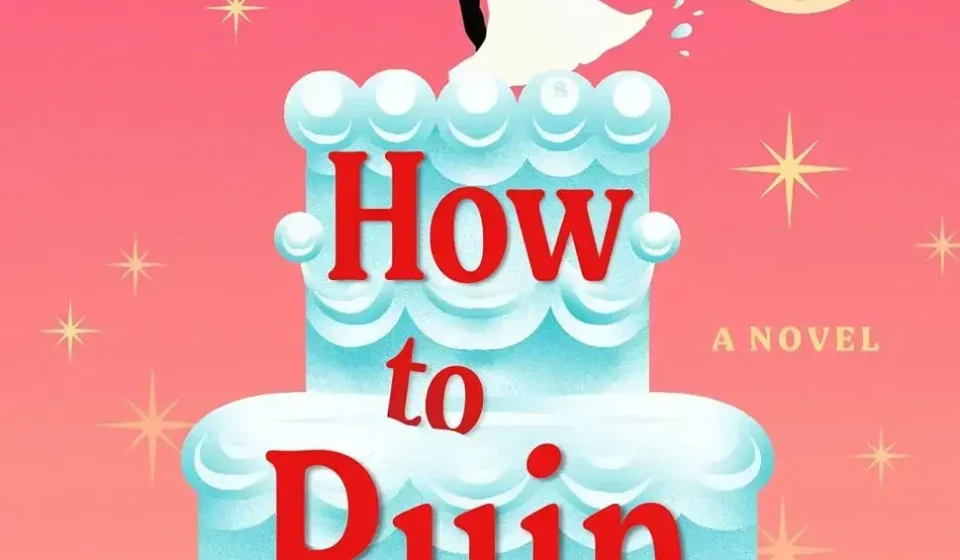
This is the precise tension that How to Ruin a Wedding exploits. Instead of the usual fairytale, Elba Luz gives us a protagonist who treats matrimonial disaster as a professional service. If you want to see how this cynical approach to romance is landing with the public, you can check the current reader reception on Amazon.
The book doesn’t just play with rom-com tropes; it weaponizes them. By turning a disillusioned woman into a professional saboteur, the narrative taps into a modern, skeptical view of “meant to be,” questioning whether some unions are simply mistakes waiting to happen.
Ready to dive into “How to Ruin a Wedding”?
Explore available editions, check current live pricing, or download a free sample directly on Amazon.
Preview Free Sample & Check Price on Amazon
*You will be redirected to Amazon. As an Amazon Associate, we may earn from qualifying purchases.
The “Saboteur” Hook: Narrative Engine and Pacing
The premise is the strongest selling point here. Lucy Delgado isn’t your typical rom-com lead; she’s a woman who has survived two failed marriages and a job loss. Her transition into a “professional wedding saboteur” is a brilliant plot device that provides immediate conflict and a unique lens on the genre.
The pacing is aggressive in a good way. Elba Luz avoids the common mistake of spending fifty pages on backstory. Instead, she throws the reader directly into the chaos of Lucy’s “career,” establishing the stakes and her cynical worldview quickly.
The narrative structure relies heavily on the “wrong place, wrong time” trope, which serves as the catalyst for the meeting between Lucy and Anders. While seasoned readers of the genre will see the collision coming, the execution is handled with a wit that keeps the momentum high.
| Technical Aspect | Analysis |
|---|---|
| Plot Velocity | High; moves rapidly from setup to the central conflict. |
| Trope Usage | Fake Dating / Enemies-to-Lovers (Classic but polished). |
| Tone | Sarcastic, fast-paced, and emotionally grounded. |
| Length | 299 pages (Lean and efficient). |
Character Dynamics: The Friction Between Lucy and Anders
The chemistry between Lucy and Anders is built on a shared foundation of cynicism. Anders doesn’t want a fairytale; he wants
Who This Book Is Actually For
This isn’t a story for the blindly optimistic. It is designed for the skeptics.
The ideal reader is someone who enjoys the “fake dating” trope but wants a protagonist with actual baggage—failed marriages, job loss, and a healthy dose of disillusionment. If you appreciate the sharp, fast-paced humor typical of Mindy Kaling’s style, this hits the mark.
It serves as a perfect “palette cleanser” read: fast, witty, and predictable in the most satisfying way possible.
Who Should Skip It
- Literary Purists: If you are searching for a deep, brooding deconstruction of the human condition, this is not your book.
- Trope-Haters: If “fake dating” or “opposites attract” makes you roll your eyes, the plot will feel like a checklist of clichés.
- Instructional Seekers: Despite the title, this is a novel. You will not find a step-by-step manual on how to actually sabotage a wedding.
Common Purchasing Missteps
The biggest mistake buyers make with How to Ruin a Wedding is expecting a subversive satire. While it’s funny, it remains firmly rooted in the romance genre.
Don’t buy this expecting a dark comedy about the destruction of family ties; buy it for the chemistry between two cynical people who realize they are exactly what the other needs.
Editorial Verdict: Value for Money
At 299 pages, the pacing is lean. There is very little fluff, which justifies the price point for a Kindle edition. You are paying for the “snort-laugh” entertainment value and the emotional payoff.
The primary risk is the predictability. You can likely guess the ending by page 20. However, the value isn’t in the what, but the how—specifically how Lucy and Anders navigate their shared cynicism.
Bottom line: It is a high-quality genre piece. It doesn’t reinvent the romance wheel, but it spins it with style. To see if the humor aligns with your taste, check the current reader ratings and sample chapters.
Final Editorial Verdict
“How to Ruin a Wedding” delivers on its core promise for its intended audience, offering compelling insights without fluff. As highlighted in our detailed edition breakdown, its practical depth and readability are its greatest strengths.
We also recommend checking the official Kindle sample and reader ratings before making your final purchase decision.