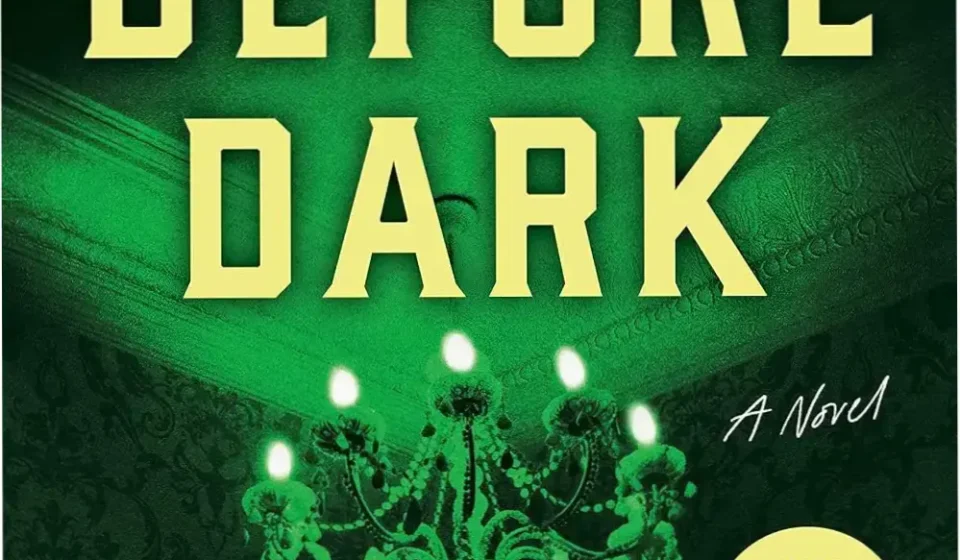

Most of us have a visceral reaction to “haunted house” stories. We either lean into the thrill of the supernatural or dismiss it as a marketing gimmick used to sell airport paperbacks. It is a common human impulse to seek a rational explanation for the inexplicable, especially when the “horror” is a family legacy rather than a campfire tale.
When your own father builds a career on a memoir about a demonic estate, the burden of proof doesn’t just fall on the ghosts—it falls on you. Riley Sager plays with this exact tension in his thriller, challenging the reader to decide if they are reading a ghost story or a crime novel. You can gauge the general consensus on this psychological tug-of-war by checking the reader reception at Amazon.
Ready to dive into “Home Before Dark”?
Explore available editions, check current live pricing, or download a free sample directly on Amazon.
Preview Free Sample & Check Price on Amazon
*You will be redirected to Amazon. As an Amazon Associate, we may earn from qualifying purchases.
The “Sager Formula”: Pacing and Writing Style
Riley Sager doesn’t write “literature” in the academic sense; he writes cinematic experiences. His prose is lean, stripped of unnecessary fluff, and designed for high-velocity consumption. He understands that the modern reader has a short attention span, so he uses micro-chapters and cliffhangers to keep the pages turning.
The pacing in Home Before Dark is aggressive. It mirrors the protagonist’s own anxiety. Maggie Holt isn’t looking for ghosts—she’s looking for a payday. This pragmatism grounds the story, preventing it from floating off into generic paranormal territory. The writing is direct, almost skeletal, which works in favor of the suspense.
However, skeptics will notice a pattern. Sager relies heavily on the “unreliable perspective.” While this is a staple of the psychological thriller, some veteran readers on Reddit and Goodreads argue that his twists can feel a bit formulaic. He sets up a supernatural premise only to pivot to a human explanation. It is a classic bait-and-switch that satisfies some but feels predictable to others.
| Feature | Analysis | Verdict |
|---|---|---|
| Pacing | Rapid-fire chapters, minimal filler. | Excellent |
| Prose | Functional, direct, conversational. | Good |
| Atmosphere | Claustrophobic, gothic, eerie. | Strong |
| Originality | Plays with known tropes (Amityville vibe). | Moderate |
The Narrative Architecture: Skepticism vs. Belief
The core of the book is a battle between two versions of the truth. On one side, you have the father’s memoir, House of Horrors, which claims the house is a vortex of evil. On the other, you have Maggie, a professional home restorer who believes in blueprints and structural integrity, not spirits.
This duality creates a fantastic tension. As Maggie renovates Baneberry Hall, the house begins to “speak” to her. The brilliance here isn’t in the scares, but in the psychological erosion. We watch Maggie’s logic slowly crumble as events occur that she cannot explain with a hammer and a level.
From a technical standpoint, the narrative structure is a
Who Should Actually Read This?
This isn’t a book for the casual reader looking for a light beach read. It is designed for the “puzzle-solver”—the reader who actively tries to outsmart the author.
If you enjoy the friction between a skeptical protagonist and a legendary haunting, this is your territory. It appeals specifically to those who love gothic atmospheres but prefer a psychological explanation over a supernatural one.
The ideal profile: Fans of psychological thrillers who appreciate a “slow-burn” build-up and the tension of a claustrophobic setting.
Who Should Skip It?
Avoid this book if you are looking for genuine paranormal horror. While it uses the imagery of ghosts, it is a thriller first. If you want actual spirits and demons, you’ll find the resolution frustrating.
Also, skip this if you are exhausted by the “return to the childhood home” trope. Sager leans heavily into this narrative pillar; if that feels too cliché for you, the plot won’t offer enough novelty to compensate.
Value Analysis & Reading Expectations
At nearly 400 pages, the value lies in the atmospheric dread. It’s a polished piece of commercial fiction—meaning it’s designed for maximum engagement, not literary experimentation.
Common purchasing misstep: Expecting a fast-paced action novel. The first half is an exercise in tension and architectural exploration. The payoff is back-loaded.
The Skeptic’s View: Some may find the twists predictable if they’ve read a dozen “unreliable narrator” books this year. However, Sager’s ability to maintain a mood of unease is objectively high.
Editorial Verdict
Riley Sager delivers a cynical, well-constructed take on the haunted house genre. It functions less as a ghost story and more as a study of inherited trauma and the monetization of fear.
It’s a solid choice for a weekend binge, provided you enter with the understanding that the “horror” is rooted in human nature, not the ether. To see if the current edition fits your budget, check the live pricing and user reviews on Amazon.
Final Editorial Verdict
“Home Before Dark” delivers on its core promise for its intended audience, offering compelling insights without fluff. As highlighted in our detailed edition breakdown, its practical depth and readability are its greatest strengths.
We also recommend checking the official Kindle sample and reader ratings before making your final purchase decision.
*You will be redirected to Amazon. As an Amazon Associate, we earn from