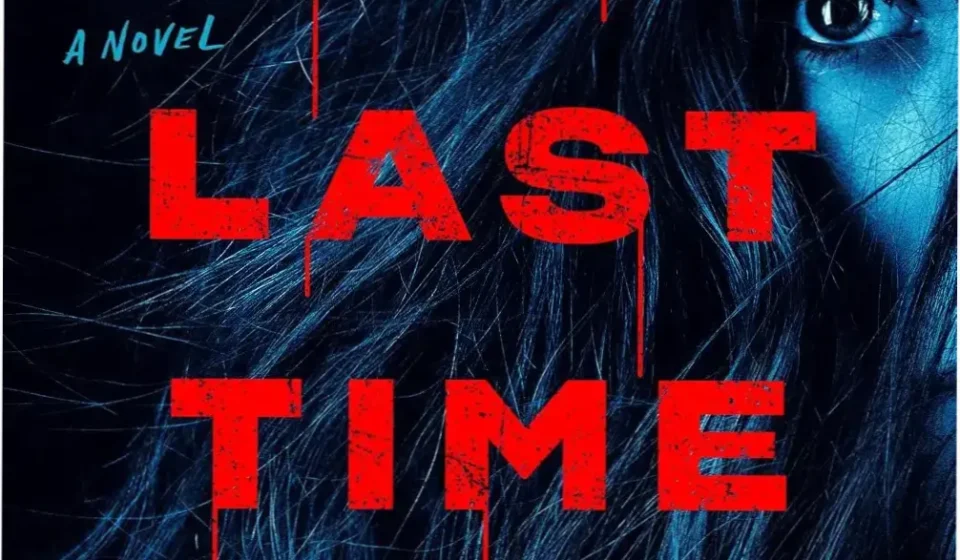

Most of us carry a childhood memory that feels slightly “off”—a moment where the official story doesn’t quite align with what we actually remember. In the realm of psychological thrillers, this cognitive dissonance is where the most effective horror resides. Riley Sager specializes in this specific brand of discomfort, blending the warmth of nostalgia with a creeping sense of inevitable dread.
For readers who enjoy the “trauma-return” trope, the expectation is usually a slow burn leading to a shocking revelation. The Last Time I Lied positions itself as a masterclass in this genre, weaponizing the innocent setting of a summer camp to explore guilt and repressed memory. It isn’t just a mystery; it’s an autopsy of a friendship that ended in a disappearance.
Ready to dive into “The Last Time I Lied”?
Explore available editions, check current live pricing, or download a free sample directly on Amazon.
Preview Free Sample & Check Price on Amazon
*You will be redirected to Amazon. As an Amazon Associate, we may earn from qualifying purchases.
The Mechanics of Suspense: Pacing and Narrative Hook
Sager doesn’t waste time. The narrative structure is a calculated exercise in tension, splitting the focus between the ghost of the past and the anxiety of the present. We meet Emma, an artist whose work is a visceral manifestation of her trauma. This is a clever choice; it allows the author to describe the setting through a distorted, artistic lens before we even step foot back at Camp Nightingale.
The pacing is relentless. Sager employs a “breadcrumb” technique, dropping small, cryptic clues that feel significant but often lead to dead ends. This keeps the reader in a state of constant speculation. However, a skeptical reader will notice that the tension relies heavily on Emma’s internal instability. The atmosphere is thick with paranoia, making the reader question if the danger is external or merely a product of a fractured mind.
The transition from the New York art scene back to the woods of the camp creates a sharp contrast. One is polished and professional; the other is raw and haunted. This shift mirrors the psychological descent Emma undergoes as she realizes that the camp’s reopening isn’t an invitation for closure, but a trap.
The “Two Truths and a Lie” Gimmick: Literary Device or Plot Crutch?
The central motif of the book—the game “Two Truths and a Lie”—is more than just a childhood pastime. It serves as the foundational logic for the entire plot. Sager uses this to play with the reader’s trust. In a story where memory is the primary witness, the author essentially tells us that everything we read is subject to a 33% error rate.
From a technical standpoint, this is a high-risk, high-reward strategy. When it works, it creates a layer of intellectual engagement where the reader is actively trying to “solve” the lie. When it fails, it can feel like a cheap trick to justify a plot twist that doesn’t naturally evolve from the characters’ motivations.
“The game didn’t end when they left the camp. The game became their lives.”
This realization is where the book finds its real value. It explores how we curate our own histories, choosing which “truths” to keep and which “lies” to live by to survive the guilt of the past. The narrative doesn’t just ask “who did it,” but “who are we when the lies stop working?”
Technical Breakdown: Product Specifications
To understand the scope of the reading experience, it’s helpful to look at the hard data. The book is a substantial read, but its conversational style prevents it from feeling sluggish.