
Most of us have experienced that specific, gut-wrenching moment where a carefully planned future evaporates in a single afternoon. Whether it is a professional failure or a romantic betrayal, the impulse is always the same: the desperate need to run away and rewrite the narrative on the fly.
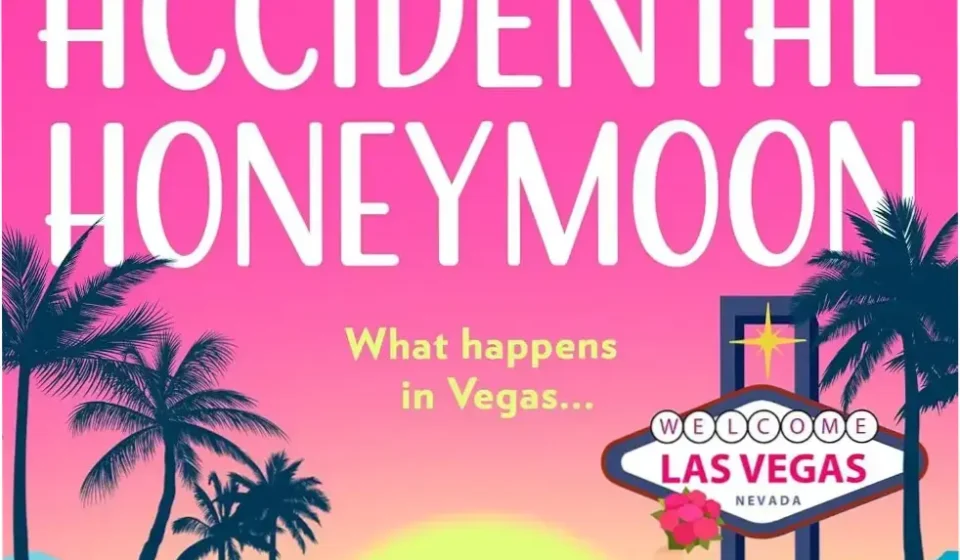
This is the emotional engine driving Portia MacIntosh’s “The Accidental Honeymoon.” It targets the reader’s desire for total escapism, offering a fantasy where a catastrophic breakup leads not to a breakdown, but to a chaotic, high-stakes adventure. You can check the current reader reception and availability to see why this specific brand of romantic chaos resonates so strongly with fans of the genre.
Ready to dive into “The Accidental Honeymoon”?
Explore available editions, check current live pricing, or download a free sample directly on Amazon.
Preview Free Sample & Check Price on Amazon
*You will be redirected to Amazon. As an Amazon Associate, we may earn from qualifying purchases.
The Trope Trap: Fake Dating and Vegas Amnesia
Let’s be honest: the “fake dating” trope is the comfort food of the romance world. It is predictable, safe, and relies on the inevitable tension of two people pretending not to like each other while clearly doing the opposite.
MacIntosh doesn’t try to reinvent the wheel here. Instead, she optimizes it. By adding the “accidental marriage” layer in Vegas, she accelerates the plot. There is no slow burn of “should we pretend to date?”; they are already legally bound.
This narrative shortcut removes the fluff. It forces the characters into immediate intimacy. For the reader, this means the tension is high from page one, bypassing the tedious setup often found in slower rom-coms.
Skeptics might call it cliché. But in the market of “Holiday Romance,” clichés are actually features, not bugs. Readers aren’t looking for a literary revolution; they are looking for a specific, satisfying emotional payoff.
Pacing and the “3 AM” Effect
There is a recurring theme in reader reviews about the “just one more chapter” phenomenon. This is the hallmark of high-conversion storytelling. MacIntosh writes with a rhythmic efficiency that keeps the pages turning.
The prose is lean. It doesn’t get bogged down in excessive internal monologues or overly descriptive scenery. The focus remains squarely on the dialogue and the immediate conflict.
At 299 pages, the book is a sprint. It is designed for the modern reader—someone who wants a complete emotional arc without a 600-page commitment. The pacing mirrors the chaotic energy of a Vegas trip.
“I laughed, I cried – I loved it.” — Holly Martin
This quote summarizes the intended experience. The book oscillates rapidly between comedic absurdity and genuine emotional vulnerability, preventing the reader from getting bored or too cynical.
The Chemistry Equation: Georgie vs. Jack
A rom-com lives or dies by its lead pair. If the chemistry is forced, the whole premise collapses. Georgie is the relatable anchor—betrayed, impulsive, and slightly desperate.
Jack serves as the foil. He is the “gorgeous” surprise that turns a nightmare into a game. The dynamic works because it is built on a foundation of mutual convenience that slowly shifts into actual affection.
The “fake dating” aspect provides a shield for both characters. It allows them to express feelings under the guise of “acting,” which creates a psychological safety net that readers find irresistible.
However, the real value lies in the power shift. Georgie starts the book at her lowest point. By the end, the “accidental” nature of her marriage becomes a catalyst for her regaining her agency.
| Metric | Analysis | Score |
|---|