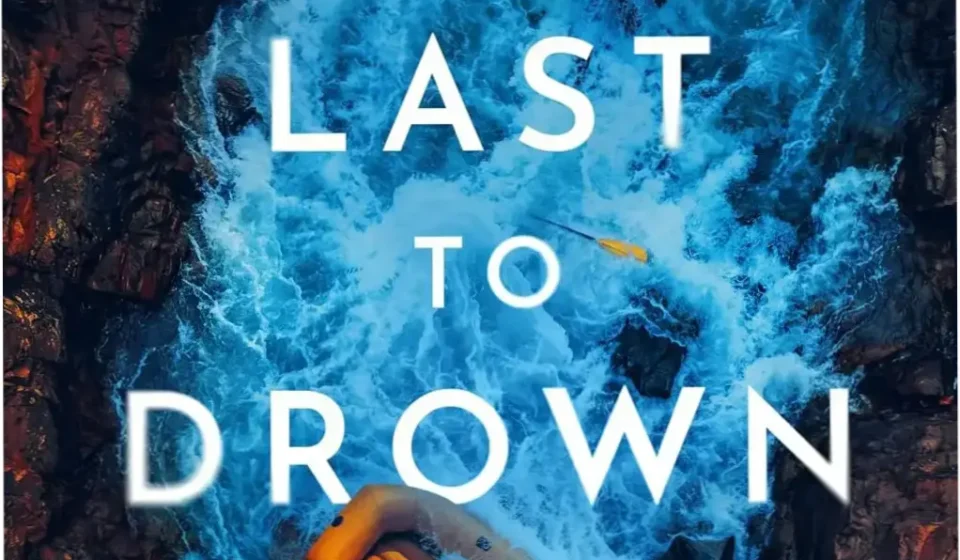

There is a specific, primal kind of anxiety that comes with being physically trapped in a beautiful place. We call it “vacation dread”—the moment a luxury getaway transforms into a survival scenario because you are too far from the nearest cell tower to call for help.
Most thriller readers claim they want a “slow burn,” but in reality, they crave the precise moment the floor drops out. Noelle W. Ihli taps into this in The Last to Drown, a narrative that weaponizes isolation and the voyeuristic nature of true-crime obsession to keep the reader in a state of perpetual unease.
Ready to dive into “The Last to Drown”?
Explore available editions, check current live pricing, or download a free sample directly on Amazon.
Preview Free Sample & Check Price on Amazon
*You will be redirected to Amazon. As an Amazon Associate, we may earn from qualifying purchases.
The Architecture of Dread: Setting as a Weapon
Most thrillers use a setting as a backdrop. Ihli uses the river as a character. The geography of Camas Creek isn’t just a location; it is a countdown clock. With eighty-four miles of whitewater between the characters and civilization, the environment dictates the pacing.
The psychological weight of the “closed circle” mystery is amplified here. Usually, this trope happens in a snowed-in mansion or a locked room. Moving it to a rafting trip adds a layer of kinetic energy. You cannot simply walk away; you have to float toward the danger.
The dread is cumulative. It starts with “whispers” and escalates to missing supplies and flipped rafts. This is a classic escalation pattern that mirrors how panic spreads in real-world crises—small anomalies that are ignored until they become impossible to explain.
From a technical standpoint, the atmosphere is claustrophobic despite being outdoors. The contrast between the vastness of the wilderness and the confinement of the raft creates a tension that is almost physical for the reader.
The True Crime Hook: Voyeurism and Validity
The plot hinges on a tragedy from seven years prior. This is a clever nod to the modern obsession with true-crime podcasts and Reddit sleuthing. The “true-crime community” mentioned in the book acts as a surrogate for the reader.
We aren’t just following Kaia; we are analyzing the evidence alongside her. This creates a dual narrative layer: the immediate survival horror and the retrospective detective work.
Ihli understands that the most terrifying thing isn’t a ghost or a monster, but a human being with a plan. The fact that the original killer’s body was recovered doesn’t provide closure—it provides a blueprint for a copycat or a hidden accomplice.
This thematic choice elevates the book from a simple “slasher” to a study on how we consume tragedy as entertainment, and how that entertainment can eventually manifest as a real-world threat.
| Feature | Analysis | Impact |
|---|---|---|
| Pacing | Accelerated / High-Tension | Prevents reader fatigue; mimics panic. |
| Setting | Isolated Whitewater River | Eliminates external rescue possibilities. |
| Core Trope | Closed Circle / Copycat | High predictability but high execution. |
| Length | 290 Pages | Lean narrative; no filler content. |
Trust as a Currency: The Paranoia Engine
Twenty strangers. That is a high number for a thriller. Usually, authors keep the cast small to avoid confusing the reader. Ihli takes a risk here,
Who Should Actually Read This?
This isn’t a book for the casual reader looking for a light beach read. The Last to Drown is specifically engineered for fans of “isolated setting” thrillers—where the environment is as much a character as the antagonist.
You’ll find this compelling if you enjoy:
- High-stakes claustrophobia: Despite being outdoors, the “no way out” dynamic of a river trip creates a suffocating tension.
- True-crime parallels: The narrative hooks into the obsession with past tragedies, making it a great fit for those who binge-watch cold-case documentaries.
- Rapid pacing: At 290 pages, the story doesn’t linger. It moves with the current, prioritizing momentum over flowery prose.
Who Should Skip It?
Avoid this book if you prefer slow-burn psychological studies or literary fiction with ambiguous endings. If you are sensitive to the feeling of inevitable dread or “slasher-style” patterns where the body count rises systematically, this will likely be too stressful.
Also, skip it if you expect a technical manual on rafting or a deep dive into wilderness survival. The river is a plot device for terror, not a guide for outdoor enthusiasts.
Value Analysis & Realistic Expectations
From a value perspective, the book is lean. You aren’t paying for fluff or unnecessary subplots. It delivers a concentrated dose of suspense that can be consumed in a single weekend.
Common purchasing misstep: Some readers expect a complex political conspiracy. This is not that. It is a visceral, survival-driven thriller. The “value” here lies in the execution of the tension, not in an overly complex intellectual puzzle.
Editorial Verdict
Noelle W. Ihli understands the mechanics of anxiety. By combining a remote location with a haunting historical precedent, she creates a narrative loop that keeps the reader skeptical of every character on the raft.
While it follows some familiar thriller tropes, the execution is sharp and the pacing is relentless. It is a highly efficient piece of genre fiction that fulfills its promise of being “addictive.” To see if the current pacing suits your reading style, we recommend checking the latest reader ratings and verified reviews.
Final Editorial Verdict
“The Last to Drown” delivers on its core promise for its intended audience, offering compelling insights without fluff. As highlighted in our detailed edition breakdown, its practical depth and readability are its greatest strengths.
We also recommend checking the official Kindle sample and reader ratings before making your final purchase decision.
*You will be redirected to Amazon. As an Amazon Associate, we earn from qualifying purchases.