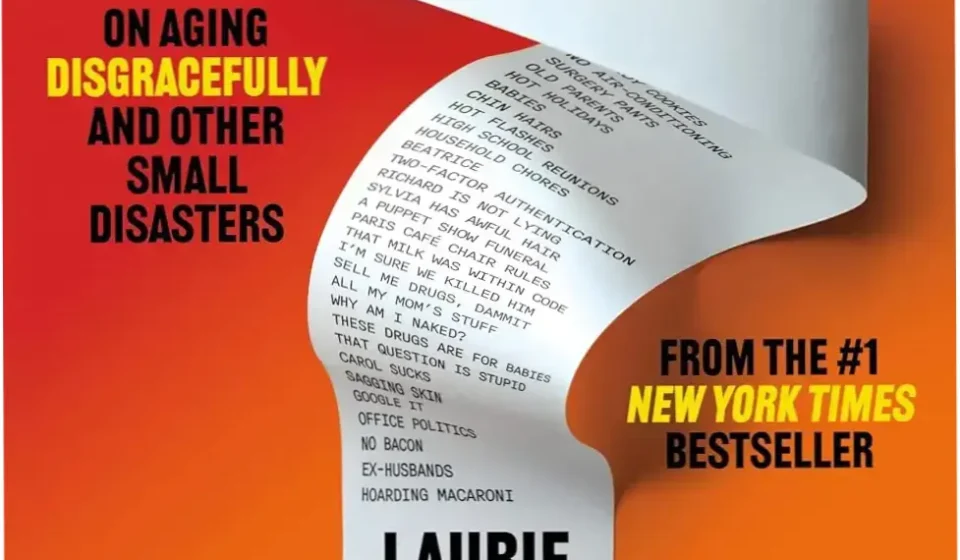

Society loves the myth of “aging gracefully.” We are sold images of silver-haired diplomats and serene retirees sipping tea in manicured gardens. It is a polished lie. In reality, getting older is often a series of awkward malfunctions, unexpected medical bills, and the sudden realization that you are now the adult in the room, even if you still feel like a confused teenager.
For those trapped in the “sandwich generation”—simultaneously managing the decline of their parents and the creaking of their own joints—the experience is less of a sunset and more of a chaotic skirmish. This is where Laurie Notaro steps in. Instead of offering a roadmap to serenity, she provides a manifesto for the disaster. You can check the current reader reception and availability here to see if her brand of chaos resonates with your own.
The expectation for most memoirs in this genre is a slow journey toward wisdom. Readers usually want a lesson in acceptance. Notaro flips the script. She isn’t looking for acceptance; she is looking for a way to navigate a world that feels increasingly absurd while her own body begins to make noises it shouldn’t. It is an unfiltered, cynical, and deeply human exploration of the indignities of middle-age-plus.
Ready to dive into “I’ve Got a New Complaint”?
Explore available editions, check current live pricing, or download a free sample directly on Amazon.
Preview Free Sample & Check Price on Amazon
*You will be redirected to Amazon. As an Amazon Associate, we may earn from qualifying purchases.
The “Anti-Grace” Narrative: Writing Style and Pacing
Notaro doesn’t write essays; she launches verbal grenades. Her style is brutally direct, favoring the punchline over the prose. There is no fluff here. She treats her life like a comedy of errors, and the pacing reflects that. Each essay functions as a standalone vignette of failure, making the book incredibly easy to digest.
The prose is conversational, almost like a late-night vent session with a friend who has had one too many martinis. She doesn’t ask for your sympathy. In fact, she actively avoids it. The humor is derived from the gap between how we are “supposed” to act at sixty and how she actually acts.
While some might find the cynicism heavy, it serves a technical purpose. It strips away the sentimentality that usually plagues memoirs about aging. By treating the “disaster” as the primary subject, she makes the emotional beats—like caring for elderly parents—hit harder because they aren’t wrapped in saccharine platitudes.
| Technical Aspect | Analysis | Verdict |
|---|---|---|
| Pacing | Rapid-fire essays; high information density. | Fast |
| Tone | Skeptical, unfiltered, and aggressively witty. | Irreverent |
| Structure | Thematic vignettes rather than a linear timeline. | Flexible |
| Reading Level | Accessible; conversational English. | Easy |
The Sandwich Generation: Caregiving and Personal Decay
The core of the book lies in the tension of the “portal.” Notaro describes entering her parents’ home in Scottsdale as a form of time travel. It is a psychological trap: she is the caregiver, the adult in charge, yet the environment reverts her to a child.
This is a real-world struggle millions face. The mental load of managing a parent’s health while your own body is starting to “creak” creates a unique form of cognitive dissonance. Notaro captures this perfectly. She isn’t just fighting her parents’ aging; she is fighting her own.
Her observations on “analog life skills” in a digital world are particularly sharp. There is a recurring theme of feeling obsolete, not because of a lack of intelligence, but because the world’s operating system has updated and she is still running an older version. It is a relatable frustration that elevates the book from a simple diary to a social commentary.
“Caught between generations, Laurie is young enough to be thrust into the role of caregiver yet old enough to be grappling with her own creaking bones.”
Humor as a Survival Mechanism: From Italy to Puppet Theaters
The specific anecdotes in this collection are where the book earns its keep. Whether it is the chaos of driving in Italy with “American skills” or the dark fantasy of a retirement plan involving bank robbery, Notaro uses absurdity to mask genuine anxiety.
The mention of “sex at sixty” is perhaps the most honest part of the narrative
Who This Book Is Actually For
This isn’t a guide for the “silver fox” crowd or those seeking inspirational tales of late-life rebirth. Notaro isn’t selling a lifestyle; she’s documenting a slow-motion car crash with a punchline.
The ideal reader is:
- The “Sandwich Generation”: If you’re currently juggling your own joint pain while managing your parents’ medical appointments, this will feel like a kinship.
- Cynics of “Graceful Aging”: Those exhausted by the industry of “aging well” and prefer the honesty of aging disgracefully.
- Fans of Dark Comedy: Readers who appreciate wit that bites and stories that find humor in the absurd indignities of the body.
Who Should Skip This Book
If you are looking for a roadmap to longevity, dietary tips for the 60+, or a heartwarming story about the “golden years,” keep scrolling.
Avoid this if you are easily offended by unfiltered discussions on sex at sixty or the desire to hex your coworkers. This is a memoir of survival via sarcasm, not a wellness manual. Expecting a “how-to” guide here is a common purchasing misstep; this is a narrative of shared misery and laughter.
Value for Money: Technical Analysis
At 213 pages, the book is lean. There is no fluff. You aren’t paying for a sprawling epic, but for a curated set of sharp, high-impact essays.
The “value” here is emotional validation. For the price of a digital download, you get a voice that validates the frustration of analog skills in a digital world and the sheer awkwardness of being a caregiver who still feels like a child around their parents.
Editorial Conclusion
Ultimately, I’ve Got a New Complaint is a masterclass in reclaiming agency. Notaro doesn’t fight the aging process—she mocks it until it becomes manageable. It is a visceral, honest, and deeply relatable piece of writing for anyone who refuses to go quietly into the night.
To see if Notaro’s brand of humor aligns with your taste, we suggest browsing the latest reader reviews and pricing on Amazon.
Final Editorial Verdict
“I’ve Got a New Complaint: Essays on Aging Disgracefully and Other Small Disasters” delivers on its core promise for its intended audience, offering compelling insights without fluff. As highlighted in our detailed edition breakdown, its practical depth and readability are its greatest strengths.
We also recommend checking the official Kindle sample and reader ratings before making your final purchase decision.