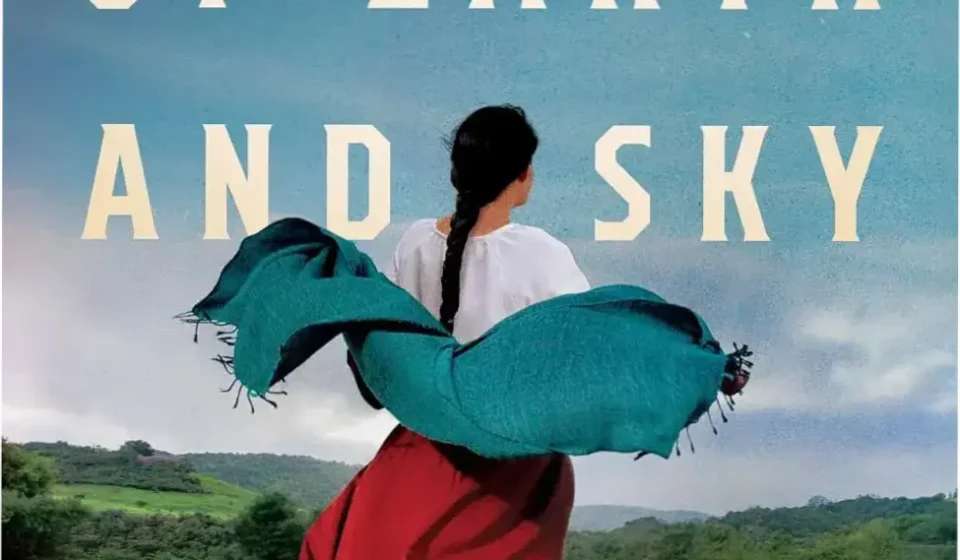

Most historical romances treat the setting as a mere backdrop—a pretty postcard to frame a love story. But when the plot involves the 1845 conquest of California, the scenery isn’t just aesthetic; it’s a ticking time bomb of cultural erasure and political violence.
Readers often expect a sanitized version of the past, where love conquers all and borders shift without blood. However, those looking for a narrative that balances intimacy with the brutal reality of American expansionism will find a different beast in Dreams of Earth and Sky, a novel that challenges the typical “happily ever after” trope by grounding it in systemic loss.
Ready to dive into “Dreams of Earth and Sky”?
Explore available editions, check current live pricing, or download a free sample directly on Amazon.
Preview Free Sample & Check Price on Amazon
*You will be redirected to Amazon. As an Amazon Associate, we may earn from qualifying purchases.
The Architecture of Displacement: Narrative Pacing
The novel doesn’t rush into the chaos. It begins with the deceptive stillness of El Sueño, the Ávila family rancho. This pacing is intentional. By establishing the luxury and stability of the Californio lifestyle first, the subsequent collapse feels personal rather than academic.
The transition from a family drama to a geopolitical struggle is handled with a steady hand. Shirley Perez West avoids the common mistake of dumping too much history in the first chapter. Instead, the political tension leaks into the domestic sphere slowly.
You feel the encroachment of US forces not through a textbook description, but through Mariana’s growing anxiety. The pacing mirrors the actual historical encroachment: a slow seep that eventually becomes a flood.
The Triangle: Tradition vs. The Unknown
Mariana Ávila is caught between two men who represent more than just romantic choices; they represent two different futures. Ramón is the safety of the known, the embodiment of Hispanic tradition and the status quo of the ranchero class.
Then there is Patrick Murphy. As an Irish immigrant, Patrick is an outsider in every sense. He doesn’t represent the oppressive US force, but he is a symptom of the changing tide. The chemistry here isn’t just about attraction—it’s about the friction of two worlds colliding.
From a critical perspective, the “forbidden love” trope is well-worn. However, West elevates it by tying the romantic tension to the survival of the Ávila legacy. The choice between Ramón and Patrick becomes a metaphor for Mariana’s choice between submission to tradition and the risk of a new, uncertain identity.
| Feature | Analysis | Impact on Reader |
|---|---|---|
| Historical Setting | 1845 California / Californio Era | High immersion; educational but emotional. |
| Character Arc | Mariana’s evolution from daughter to protector | Strong feminist undertone within a rigid era. |
| Conflict Scale | Intimate romance vs. National conquest | Creates a “pressure cooker” emotional effect. |
| Pacing | Slow-burn build-up to high-stakes climax | Rewards patient readers with a heavy payoff. |
Writing Style and the “Skeptical” Lens
West’s prose is sweeping and atmospheric. She has a knack for describing the California landscape in a way that makes the land itself a character. You can almost smell the dust and the citrus of the rancho.
However, a skeptical reader might find some of the romantic dialogue slightly too polished for the mid-19th century. There are moments where the internal monologues feel more like 21st-century sensibilities projected backward onto a historical figure.
That said, this “modernity” makes Mariana relatable. If she were written with strict 1845 social constraints, she would be a passive observer. Instead, she is an active agent in her own tragedy, which is where the book’s real value lies.
“The price of conquest is rarely paid by those who order the march; it is paid in the soil, the homes, and the hearts of those who were already there.”
Expectation vs. Reality: More Than a Romance
If you pick this up expecting a light, fluffy romance to read on a beach, you are in for a shock. While the “romance” label is present, the core of the book is a study of loss and resilience.
The “reality” of the book is far grittier than the cover might suggest
Who Should Actually Read This Book?
Dreams of Earth and Sky isn’t for the casual reader looking for a lightweight beach read. This is a sweeping historical narrative that demands an interest in cultural collision and the specific, often overlooked history of the Californios.
The ideal reader: If you enjoy “slow-burn” romances where the emotional stakes are tied to geopolitical shifts—think Outlander but set in 1840s California—this is your territory. It appeals to those who value identity struggles and the tension between traditional family loyalty and individual autonomy.
Who should skip it: Avoid this if you prefer fast-paced, plot-driven thrillers or modern romances without the “weight” of history. If the idea of 19th-century land disputes and the slow erosion of a family legacy sounds tedious rather than tragic, you won’t find much value here.
Value for Money & Reading Expectations
At 358 pages, the book provides a substantial narrative arc without overstaying its welcome. However, a common purchasing misstep is treating this as a simple romance novel. It is, in reality, a study of displacement.
- Expect: Rich atmospheric descriptions of the “El Sueño” rancho and a nuanced look at the Irish immigrant experience via Patrick Murphy.
- Don’t Expect: A quick, breezy resolution. The backdrop of the American conquest ensures that the personal romance is always shadowed by historical inevitability.
Quick Analysis: The “Skeptics” FAQ
Is it just another historical romance?
Not quite. While it hits the romance beats, its focus on the Hispanic legacy in California adds a layer of sociological depth that elevates it above standard genre tropes.
Is the pacing consistent?
It follows a traditional historical build-up. It takes time to establish the world of the Ávila family before the external conflict (the US forces) accelerates the plot.
Editorial Conclusion
Shirley Perez West successfully balances the intimate desires of Mariana Ávila with the macro-tragedy of a disappearing way of life. The strength of the book lies in its refusal to simplify the conflict; the love triangle is not just about two men, but about two different versions of Mariana’s future.
For those interested in the intersection of love and loss during the American expansion, this is a high-value addition to your digital library. We suggest you check current reader ratings and available formats to see if the Kindle edition fits your reading habits.
Final Editorial Verdict
“Dreams of Earth and Sky” delivers on its core promise for its intended audience, offering compelling insights without fluff. As highlighted in our detailed edition breakdown, its practical depth and readability are its greatest strengths.
We also recommend checking the official Kindle sample and reader ratings before making your final purchase decision.
*You will be redirected to Amazon. As an Amazon Associate, we earn from qualifying purchases.