
We all play a role. Whether it’s the “perfect employee” or the “dutiful child,” most of us spend our days polishing a version of ourselves that fits into a pre-approved box. It’s a tiring performance, and the real thrill comes when someone finally sees the cracks in the veneer.
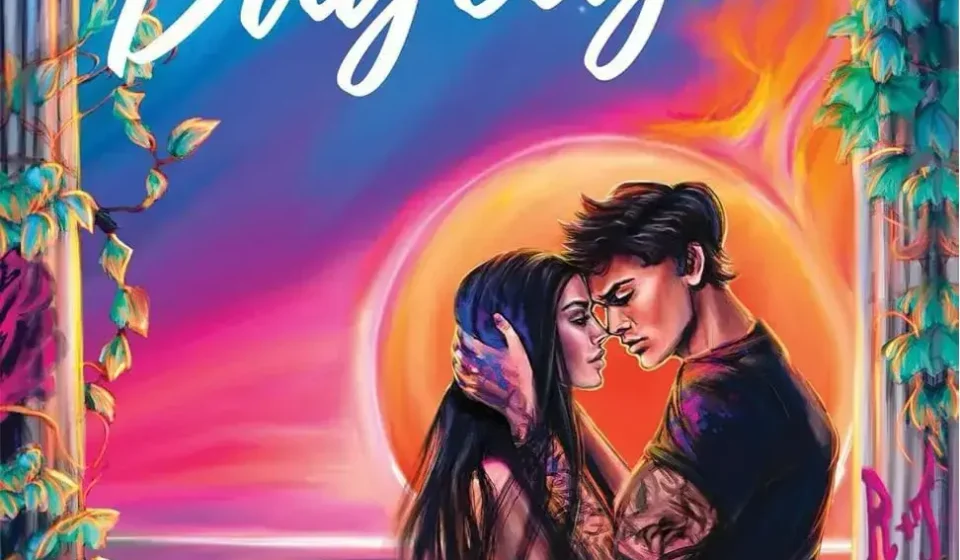
This psychological friction is exactly where Emily McIntire operates. In Burning Daylight, she takes the classic “star-crossed lovers” trope and strips away the innocence, replacing it with blood, family feuds, and high-stakes deception. If you’ve been looking for a narrative that blends luxury with grit, you can check the current reader reception and availability here.
The dark romance market is saturated with “forbidden” stories, but the challenge is always the same: does the tension feel earned, or is it just forced drama? McIntire bets on a generational war and hidden identities to keep the stakes high, targeting readers who find traditional romance too sanitized.
Ready to dive into “Burning Daylight”?
Explore available editions, check current live pricing, or download a free sample directly on Amazon.
Preview Free Sample & Check Price on Amazon
*You will be redirected to Amazon. As an Amazon Associate, we may earn from qualifying purchases.
The Architecture of Tension: Writing Style and Pacing
Emily McIntire doesn’t waste time with flowery prose. Her style is lean, direct, and designed for momentum. She understands that in a 500-page romance, the “slow burn” can easily become a “no burn” if the author lingers too long on internal monologues.
The pacing in Burning Daylight is calculated. It oscillates between the suffocating atmosphere of the Calloway luxury and the volatile, shadow-world of Roman Montgomery. This contrast creates a rhythmic tension that keeps the reader turning pages.
However, let’s be skeptical: the “gritty” tone is a deliberate brand choice. While the prose is effective, it leans heavily into the aesthetics of dark romance. The impact comes less from the complexity of the language and more from the intensity of the situations.
The “Romeo & Juliet” Pivot: Narrative Structure
On the surface, this is a family feud story. But the narrative structure pivots on the concept of “the mask.” Juliette isn’t just a rich girl; she’s a curated product of her family’s ambition. Roman isn’t just a rebel; he’s a weapon kept in the dark.
The brilliance here lies in the anonymity. By stripping away names and pasts in the initial encounter, McIntire forces the chemistry to carry the weight of the plot. It’s a classic move, but it works because it creates a vacuum that the reader is desperate to fill with information.
The conflict isn’t just external (the families) but internal. The betrayal isn’t just about lying to parents; it’s about the realization that their very existence is a threat to the other. This elevates the story from a simple romance to a psychological battle of loyalty.
| Technical Aspect | Analysis |
|---|---|
| Plot Velocity | High. Constant escalation of stakes. |
| Trope Execution | Forbidden Love / Secret Heir (Executed with modern grit). |
| Emotional Weight | Heavy. Focuses on betrayal and legacy. |
Complexity
Who This Book Is Actually ForBurning Daylight isn’t for the casual romance reader looking for a light, fluffy escape. This is targeted specifically at the “Dark Romance” crowd—those who crave high-tension dynamics, moral ambiguity, and the “forbidden” trope pushed to its absolute limit. If you enjoy the modern “enemies-to-lovers” archetype but want it seasoned with generational blood feuds and gritty stakes, this fits your profile. It appeals to readers who value chemistry over plot simplicity and prefer a slow-burn that feels like a ticking time bomb. Who Should Skip This TitleYou should probably steer clear of this book if:
The Value Proposition: Is It Worth the Credit?At 505 pages, the “bang for your buck” is high. Many contemporary romances rush the resolution; McIntire takes her time building the atmospheric dread of Rosebrook Falls. A critical point for buyers: this is Book 1 of a series, but it is an interconnected standalone. This means you get a definitive Happily Ever After (HEA) within this volume. You aren’t paying for a cliffhanger that forces you into the next two books just to get closure. The most common purchasing mistake here is treating this as a quick beach read. It requires an emotional investment and a tolerance for “gritty” narratives that don’t always play by the rules of traditional morality. Final Editorial VerdictEmily McIntire delivers a polished, atmospheric piece of dark fiction. The strength lies in the contrast between Juliette’s “perfect” facade and Roman’s existence as a “hidden weapon.” It’s a study in power dynamics and the cost of legacy. While the plot follows a familiar trajectory, the execution is sharp and the chemistry is visceral. If you can stomach the darker themes, it’s a top-tier example of the genre. To see how other readers handled the trigger warnings or to check for current discounts, you can browse the latest user reviews on Amazon. Final Editorial Verdict“Burning Daylight” delivers on its core promise for its intended audience, offering compelling insights without fluff. As highlighted in our detailed edition breakdown, its practical depth and readability are its greatest strengths. We also recommend checking the official Kindle sample and reader ratings before making your final purchase decision. *You will be redirected to Amazon. As an Amazon Associate, we earn from qualifying purchases. 
|