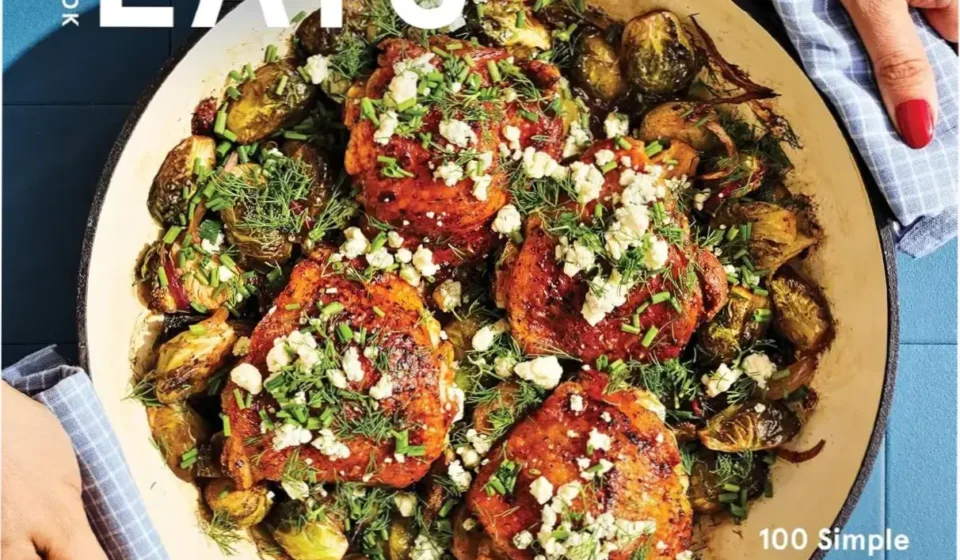

We have all been there: it is 6:00 PM, you are mentally exhausted, and the daunting task of “eating healthy” feels like a second job. The modern cookbook market is flooded with “healthy” guides that require thirty ingredients and a culinary degree just to make a Tuesday night salad.
The real struggle isn’t a lack of recipes, but a lack of realistic ones. Most people don’t need gourmet complexity; they need a system that minimizes cleanup and maximizes nutrition without causing a breakdown in the kitchen. You can see how Alex Snodgrass tackles this friction in Everyday Eats, where the focus shifts from culinary art to operational efficiency.
Ready to dive into “Everyday Eats”?
Explore available editions, check current live pricing, or download a free sample directly on Amazon.
Preview Free Sample & Check Price on Amazon
*You will be redirected to Amazon. As an Amazon Associate, we may earn from qualifying purchases.
The Philosophy of “Low-Stress” Nutrition
Alex Snodgrass isn’t trying to reinvent the wheel here. Instead, she is trying to make the wheel easier to turn. The core thesis of Everyday Eats is that the biggest barrier to healthy eating isn’t taste—it is the cognitive load of preparation.
While other chefs focus on “elevating” ingredients, Snodgrass focuses on “reducing” friction. This means shorter ingredient lists and a heavy reliance on pantry staples.
It is a pragmatic approach. By removing the need for exotic spices or specialized equipment, the book transforms cooking from a chore into a manageable habit.
The writing is direct and devoid of the fluff often found in food memoirs. She gets straight to the point: how to get food on the table without spending your entire evening scrubbing pots.
The Operational Strategy: One Pan, Less Mess
The technical brilliance of this collection lies in its commitment to the “one-vessel” rule. Whether it is a sheet pan or a single skillet, the goal is to minimize the post-meal cleanup.
Recipes like the Chipotle Honey Butter Sheet Pan Salmon aren’t just about flavor; they are about the luxury of having only one thing to wash. This is a high-value proposition for anyone juggling a career and a family.
The “make-ahead” focus is equally critical. The Freezer-Friendly Mediterranean Breakfast Sandwiches address the most chaotic time of the day, providing a solution that doesn’t sacrifice nutrition for speed.
| Technical Feature | Real-World Benefit | Impact on User |
|---|---|---|
| Short Ingredient Lists | Faster shopping and less waste | Lower financial and mental stress |
| One-Pan Focus | Minimal cleanup time | More free time after dinner |
| Pantry-Centric | No need for “specialty” trips | Higher consistency in meal prep |
Expectation vs. Reality: Is “Simple” Too Simple?
The skeptic in me asks: does “low-stress” translate to “bland”? Usually, when a recipe claims to be “easy,” it means it relies on pre-packaged shortcuts that are loaded with sodium.
However, Snodgrass avoids this trap by utilizing high-impact flavor profiles. The use of salsa verde vinaigrettes and honey butter ensures that the “simplicity” refers to the process, not the taste.
From a reader’s perspective, the expectation is a “relaxed” experience. The reality is a highly disciplined approach to meal construction. It is not “lazy” cooking; it is optimized cooking.
“The easier the recipe, the better.” — This feedback from the Defined Dish community serves as the guiding principle for the entire book.
The Learning Curve and Practical Value
There is virtually
Who Is This Actually For?
This isn’t a textbook on culinary arts; it’s a survival guide for the “exhausted but health-conscious.”
The ideal reader is someone who values time over technique. If your biggest kitchen hurdle is the cleanup or the mental load of a 20-item shopping list, this book fits your profile perfectly.
- The Overwhelmed Parent: Someone who needs “freezer-friendly” options that kids will actually eat without a fight.
- The Corporate Professional: Those who want nutrient-dense dinners but lack the bandwidth for complex prep after a 9-to-5.
- The Minimalist Cook: Anyone who prefers one sheet pan or a single skillet over a full battery of cookware.
Who Should Skip This Book
If you are looking for a deep dive into molecular gastronomy or highly complex, multi-stage gourmet recipes, look elsewhere. This book is designed for efficiency, not prestige.
Similarly, skip this if you are searching for a rigid, calorie-counted diet manual. This is about “nourishing” and “flexible” eating, not a restrictive weight-loss program with a strict spreadsheet.
Value for Money: The Reality Check
At 272 pages and 100 recipes, the cost-per-recipe is mathematically low. However, the real value lies in the reduction of friction.
Most cookbooks fail because they are “aspirational”—they show you meals you’ll only make once a year. Snodgrass focuses on “operational” cooking. A book that actually reduces your nightly cleanup time is significantly more valuable than a coffee-table book of fancy photos you’ll never replicate.
Editorial Conclusion
Alex Snodgrass has pivoted from simply “healthy” to “relaxed.” This is a critical distinction. Most people don’t fail at healthy eating because they lack recipes; they fail because the recipes are too high-maintenance for a Tuesday night.
By prioritizing pantry staples and minimal pans, Everyday Eats removes the primary psychological barriers to consistent home cooking. It is a pragmatic tool for real-life nutrition rather than a culinary fantasy. To see how these low-stress meals perform in actual kitchens, check the latest user reviews and live discounts.
Final Editorial Verdict
“Everyday Eats: 100 Simple and Healthy Recipes for Real Life” delivers on its core promise for its intended audience, offering compelling insights without fluff. As highlighted in our detailed edition breakdown, its practical depth and readability are its greatest strengths.
We also recommend checking the official Kindle sample and reader ratings before making your final purchase decision.