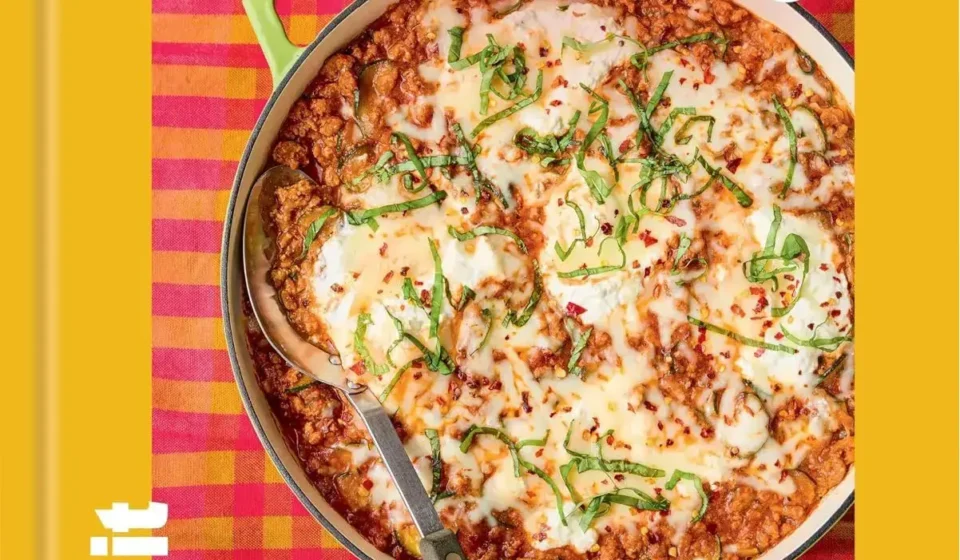

Most cookbooks are written by people who love the process of cooking. They assume you find chopping carrots meditative and that spending two hours in a kitchen is a “reward” after a long day. For the rest of us, the gap between wanting a healthy meal and the mental exhaustion of preparing it is where takeout apps win every single time.
Caroline Chambers doesn’t try to fix your lack of motivation; she optimizes for it. By treating dinner as a logistics problem rather than a culinary art, she targets the “decision fatigue” that kills most home-cooking attempts. You can see how this pragmatic approach has resonated with thousands of exhausted adults by checking the current reader reception on Amazon.
Ready to dive into “What to Cook When You Don’t Feel Like Cooking: Make It Fast”?
Explore available editions, check current live pricing, or download a free sample directly on Amazon.
Preview Free Sample & Check Price on Amazon
*You will be redirected to Amazon. As an Amazon Associate, we may earn from qualifying purchases.
The Philosophy of Low-Friction Dining
The core value of this book isn’t the recipes themselves, but the removal of friction. Chambers understands that the hardest part of cooking isn’t the heat—it’s the prep and the cleanup.
She focuses on “hands-on time.” This is a critical distinction. A roast might take two hours in the oven, but if the prep is five minutes, it’s a “low-friction” meal.
The book operates on a skeptical view of traditional culinary rules. If a step doesn’t significantly change the taste, it’s deleted. This is a breath of fresh air for anyone who has felt intimidated by “chef-standard” cookbooks.
Structural Efficiency: Organizing by Energy, Not Ingredient
Most cookbooks organize by “Poultry,” “Beef,” or “Vegetables.” Chambers organizes by time. This mirrors how the human brain actually works when it’s tired.
When you’re exhausted, you don’t think “I want chicken.” You think “I have 15 minutes before I collapse.” The time-based chapters solve this immediate psychological need.
The addition of a “mood” index is a stroke of genius. Being able to search for recipes where you “cannot be bothered to chop a single thing” is a feature that actually addresses the user’s emotional state.
| Feature | Traditional Cookbook | “Make It Fast” Approach |
|---|---|---|
| Organization | Ingredient Categories | Time-Based Chapters |
| Prep Focus | Culinary Technique | Minimizing “Hands-On” Time |
| Searchability | Alphabetical Index | Ingredient + Mood Indexes |
| Goal | The Perfect Dish | The Lowest Friction Meal |
The “Anchor Recipe” System: DIY Versatility
One of the strongest technical aspects of the book is the “anchor recipe” concept. Instead of 100 isolated meals, she provides bases that can be pivoted into five different dishes.
This is essentially a productivity hack for the kitchen. It reduces the cognitive load of planning a week’s worth of meals while preventing the boredom of eating the same thing every night.
By teaching the reader how to “spin” a recipe, Chambers empowers the user to stop relying on the book entirely and start trusting their own intuition with shortcuts.
Expectation vs. Reality: Is it Actually “Fast”?
There is always a risk with “fast” cookbooks that they rely on overly processed ingredients or “cheat” by ignoring the time it takes to clean the kitchen.
However, the 30-
Who This Book Is Actually For
This isn’t a book for culinary enthusiasts who find peace in a four-hour braise or meticulous plating. It is a utility tool for the “decision-fatigued.”
The ideal reader is the professional who arrives home at 6:30 PM with zero mental bandwidth, the parent managing a chaotic schedule, or anyone who views the “cleanup” as the primary deterrent to cooking.
If your biggest hurdle isn’t the actual cooking, but the mental load of deciding what to eat and the dread of a sink full of pots, Caroline Chambers has designed this specifically for you.
Who Should Probably Skip It
To avoid buyer’s remorse, be honest about your cooking goals. You should skip this book if:
- You are a culinary purist: If “shortcuts” or “swaps” feel like cheating to you, the philosophy here will irritate you.
- You seek technical mastery: There are no deep dives into knife skills or complex chemistry. This is about efficiency, not education.
- You enjoy the process: If cooking is your meditative escape, these “fast-track” methods will strip away the joy you find in the slow pace.
The Value Proposition: Tool vs. Textbook
The common purchasing mistake here is treating this as a traditional cookbook. It isn’t. It is a decision-making framework.
The real value lies in the back-of-book indexes. Being able to search by “mood” or “ingredient in the freezer” solves the specific pain point of “I have food, but I don’t know what to do with it.”
While 100 recipes are a great volume, the “anchor recipes”—where one base transforms into five different meals—is where the actual ROI happens. It reduces grocery waste and cognitive effort simultaneously.
Editorial Conclusion
Caroline Chambers has successfully productized the “I can’t even” feeling of modern adulthood. By focusing on “hands-on time” rather than total cook time, she addresses the actual friction point of home cooking.
It is a lean, skeptical approach to the kitchen that prioritizes sanity over gourmet prestige. For the price of a few takeout meals, it offers a sustainable system to stop the cycle of expensive delivery apps.
If you’re ready to stop fighting with your kitchen and start eating actual meals, we suggest checking the latest user reviews and current pricing on Amazon.
Final Editorial Verdict
“What to Cook When You Don’t Feel Like Cooking: Make It Fast” delivers on its core promise for its intended audience, offering compelling insights without fluff. As highlighted in our detailed edition breakdown, its practical depth and readability are its greatest strengths.
We also recommend checking the official Kindle sample and reader ratings before making your final purchase decision.