
Most of us think we understand the anxiety of a global pandemic. We’ve lived through the masks, the isolation, and the collective breath-holding of the last few years. But there is a specific, visceral terror in the intersection of beginning and ending—where the act of bringing new life into the world happens in a room filled with the dying.
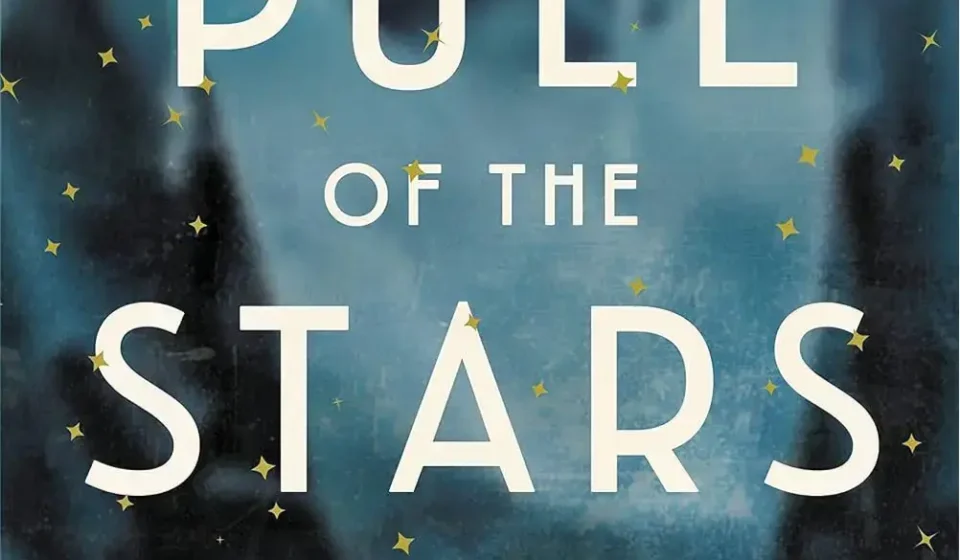
Emma Donoghue, known for the claustrophobic intensity of Room, returns to a confined setting in The Pull of the Stars. This isn’t just a historical novel; it is a study of human resilience under extreme pressure. Before diving into the technical merits of the prose, you can check the current reader reception and availability on Amazon to see how it holds up against modern expectations of historical fiction.
Ready to dive into “The Pull of the Stars”?
Explore available editions, check current live pricing, or download a free sample directly on Amazon.
Preview Free Sample & Check Price on Amazon
*You will be redirected to Amazon. As an Amazon Associate, we may earn from qualifying purchases.
The Architecture of Claustrophobia: Style and Pacing
Donoghue doesn’t just describe a maternity ward; she traps you in it. The pacing is relentless. The story unfolds over just three days in 1918 Dublin, creating a pressure cooker effect that mirrors the physiological stress of the characters.
The writing is lean. There is no wasted space. Every sentence serves to either heighten the tension or deepen the sensory experience of the ward—the smell of disinfectant, the sound of hacking coughs, the oppressive heat.
It is a brave choice. Many historical novelists lean on sprawling timelines to build emotion. Donoghue does the opposite. She shrinks the world to a few rooms, forcing the reader to confront the immediate, brutal reality of the Great Flu.
If you are looking for a slow-burn period piece, this isn’t it. This is a sprint through a nightmare, where the only reward is the occasional, fragile gasp of a newborn baby.
Narrative Structure: The Power of Three
The novel centers on a triad of women: Julia Power, the disciplined nurse; Dr. Kathleen Lynn, the rebellious physician; and Bridie Sweeney, the optimistic volunteer. This structure allows Donoghue to explore three different responses to catastrophe.
Julia represents the struggle for order. She clings to rules because rules are the only thing separating the ward from total chaos. Her arc is one of gradual breaking—and eventual rebuilding.
Dr. Lynn provides the political and intellectual backbone. Her presence reminds us that while a virus is biological, the failure to treat the poor is political. She is the catalyst that pushes Julia to see beyond the hospital walls.
Then there is Bridie. She is the emotional heartbeat of the book. In a setting defined by death, Bridie’s youthful energy acts as a foil to the cynicism of the medical staff.
“In the darkness and intensity of this tiny ward, over three days, these women change each other’s lives in unexpected ways.”
The narrative doesn’t rely on plot twists. The “twist” is simply whether a patient lives or dies. It is a high-stakes game where the house always seems to win, making the rare victories feel earned rather than scripted.
The Paradox of Hope: Real-World Value and Themes
The core of this book is the juxtaposition of birth and death. It asks a fundamental question: why bother bringing life into a world that is actively trying to kill everyone?
This isn’t a philosophical debate in the book; it’s a practical, daily struggle. The “Pull of the Stars” refers to a longing for something beyond the immediate misery—a cosmic hope that transcends the grime of a 1918 hospital.
For the modern reader, the value lies in the recognition of “caregiver burnout.” Julia’s exhaustion is palpable. The way she navigates the impossible choice of who to help first is a haunting reflection of triage seen in modern ICU settings.
It strips away the romanticism of nursing. It shows the blood, the failure, and the sheer physical toll of empathy. It is a sobering reminder that hope is not a feeling, but an action performed under duress.