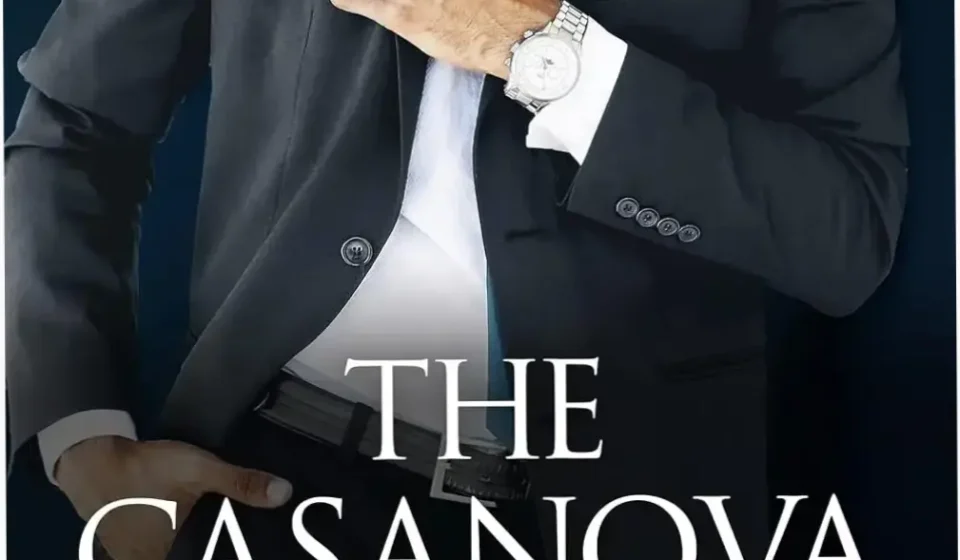

Most of us have had that one colleague or boss who manages to be simultaneously infuriating and inexplicably magnetic. It is a volatile cocktail of professional frustration and suppressed attraction that usually ends in a HR meeting or a very awkward holiday party. We pretend to loathe them to protect our sanity, while secretly wondering if the tension is mutual.
This specific psychological friction is the engine that drives T L Swan’s “The Casanova.” In a market saturated with “billionaire romance,” this book manages to cut through the noise by leaning into the high-stakes gamble of secret identities and corporate power plays. If you are looking to see why this title has dominated #BookTok and maintains a massive following, you can check the current reader reception and availability here.
Ready to dive into “The Casanova”?
Explore available editions, check current live pricing, or download a free sample directly on Amazon.
Preview Free Sample & Check Price on Amazon
*You will be redirected to Amazon. As an Amazon Associate, we may earn from qualifying purchases.
The Anatomy of Tension: Hate-to-Love Dynamics
The core of “The Casanova” isn’t just the romance; it’s the friction. Kate and Elliot Miles operate in a state of constant intellectual and emotional combat. For the skeptical reader, this could easily slide into caricature, but Swan anchors the conflict in a believable corporate hierarchy.
The “Casanova” persona of Elliot is presented as both a shield and a weapon. He knows exactly how he is perceived, and he uses that reputation to keep people at a distance. Kate, however, refuses to play the part of the swooning employee.
This creates a narrative loop: the more Kate resists, the more Elliot is intrigued. It is a classic trope, but executed with a level of dialogue that feels sharp rather than scripted. The banter isn’t just filler; it’s how the characters negotiate their boundaries.
| Feature | Analytical Detail |
|---|---|
| Narrative Archetype | Enemies-to-Lovers / Forced Proximity |
| Pacing | Slow-burn tension alternating with high-intensity scenes |
| Emotional Core | Vulnerability vs. Professional Facade |
| Length | 507 pages (Substantial character development) |
The Digital Mask and the “Edgar” Paradox
The plot takes a sharp turn with the introduction of “Edgar,” the pen pal. This is where the book moves from a standard office romance into a psychological game of cat and mouse. The use of a fake name and a digital medium allows Kate to be vulnerable in a way she never could be in the office.
The irony, of course, is the work email. It is a plot point that some critics on Goodreads have called “implausible” in a modern corporate setting with IT monitoring. However, in the realm of romance novels, this serves as the necessary catalyst for the reveal.
The psychological payoff here is the contrast between the “Real World Elliot” (the arrogant boss) and the “Digital Elliot” (the supportive confidant). The reader is placed in a position of superiority, knowing the truth while watching Kate struggle with her contradictory feelings.
Writing Style: Steam vs. Substance
T L Swan is known for being “steamy,” and this book does not shy away from its reputation. The physical chemistry is written with an intensity that borders on the visceral. But if you strip away the spice, what is left?
Surprisingly, a decent amount of character study. Swan explores the idea of loneliness within success. Elliot Miles has everything on paper, yet his only genuine connection is one built on a lie. This adds a layer of melancholy to the “perfect man” trope.
The pacing is generally tight, though at
Who Should Actually Read This?
The Casanova isn’t for the casual reader looking for a light, platonic workplace comedy. It is specifically engineered for those who thrive on the “enemies-to-lovers” friction and high-tension power dynamics.
You will likely enjoy this if you appreciate:
- The Slow Burn: The psychological warfare between Kate and Elliot provides a tension that sustains the 500+ page count.
- Trope-Heavy Narratives: If the “secret identity” and “boss/employee” tropes are your weakness, this hits every mark.
- High-Heat Content: T L Swan doesn’t hold back on the steamy elements, making it a quintessential #BookTok favorite.
Who Should Skip It?
If you are a skeptic of the “alpha-male” archetype or find the “misunderstood Casanova” trope exhausted, this book will likely frustrate you. It relies heavily on romanticized corporate toxicity and a plot device—using a work email for a secret dating app—that defies all modern IT security logic.
Avoid this if you prefer tight, fast-paced plots over long, emotionally charged internal monologues. At 507 pages, the narrative takes its time, and some may find the pacing sluggish in the middle act.
Value for Money & Realistic Expectations
From a purely quantitative perspective, the value is high. You are getting a substantial amount of content (500+ pages) for a Kindle-priced investment. However, the “value” here is emotional entertainment, not literary innovation.
Common Purchasing Misstep: Expecting a sophisticated corporate drama. This is a romance novel first; the office setting is merely a playground for the chemistry. If you’re looking for a realistic portrayal of workplace ethics, look elsewhere.
Editorial Verdict
The book succeeds because it understands its audience perfectly. It doesn’t try to be a masterpiece of literature; it tries to be an addictive, visceral experience. While the plot is predictable, the execution of the chemistry between Kate and Elliot is what keeps the reader turning pages.
If you’ve already enjoyed the previous installments of the Miles High Club, this is a mandatory read. For newcomers, it’s a strong entry point into the series’ brand of steamy conflict. To see how other readers rated the tension and heat levels, you can check the latest user reviews on Amazon.
Final Editorial Verdict
“The Casanova” delivers on its core promise for its intended audience, offering compelling insights without fluff. As highlighted in our detailed edition breakdown, its practical depth and readability are its greatest strengths.
We also recommend checking the official Kindle sample and reader ratings before making your final purchase decision.
*You will be redirected to Amazon. As an Amazon Associate, we earn from qualifying purchases.