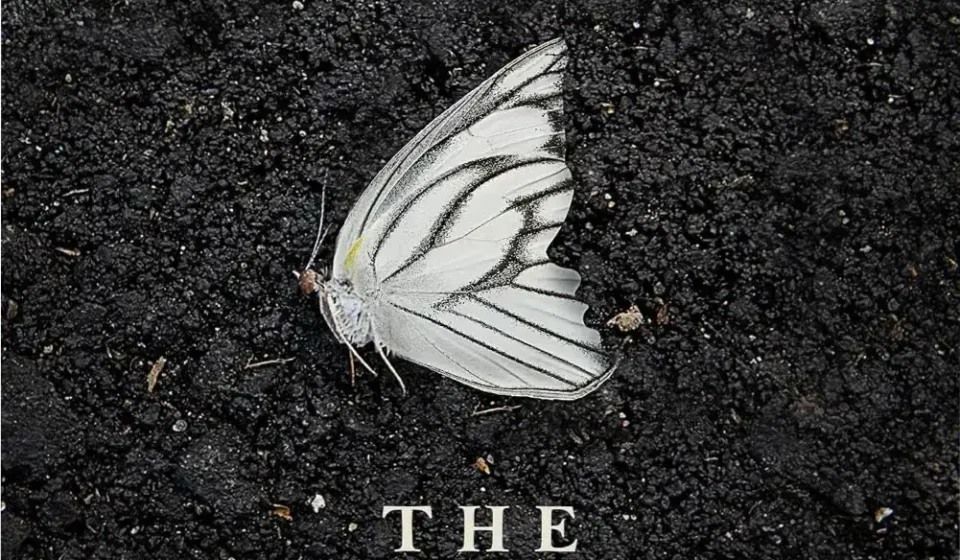

Most people believe they could spot a predator from a mile away. We like to think our intuition is a foolproof shield, but the real horror often lies in the meticulous way a monster erases a person’s identity before they even realize they are being hunted.
Dot Hutchison taps into this primal fear in “The Butterfly Garden,” a novel that doesn’t just tell a story of abduction, but explores the sick intersection of art and obsession. If you are looking for a sanitized thriller, look elsewhere; you can check the reader reception on Amazon to see just how visceral this experience is before diving in.
Ready to dive into “The Butterfly Garden”?
Explore available editions, check current live pricing, or download a free sample directly on Amazon.
Preview Free Sample & Check Price on Amazon
*You will be redirected to Amazon. As an Amazon Associate, we may earn from qualifying purchases.
The Narrative Engine: Interrogation as a Device
The book doesn’t waste time with slow-burn world-building. It drops you straight into the aftermath of a rescue, using a frame narrative that feels like a high-stakes police procedural.
The story is told primarily through the interrogation of Maya, a survivor of the “Garden.” This structure is a brilliant CRO move for the reader’s attention; it creates an immediate information gap.
We only know what Maya chooses to reveal. This turns the reading experience into a puzzle where the reader is as skeptical as the FBI agents, Victor Hanoverian and Brandon Eddison.
The pacing is aggressive. By alternating between the sterile environment of the FBI office and the lush, suffocating memories of the garden, Hutchison maintains a tension that rarely lets up.
The Horror of Objectification: Beauty as a Weapon
The central conceit of the book—kidnapping women and tattooing them to look like butterflies—is where the story moves from a standard thriller to something more disturbing.
The “Gardener” isn’t just a killer; he is a curator. He views human beings as specimens to be preserved. This psychological angle elevates the book above generic “serial killer” tropes.
The tattoos serve as a permanent brand of ownership. It’s a visceral metaphor for the loss of agency, turning the victims’ own skin into a gallery for their captor’s obsession.
“The Gardener didn’t just want our bodies; he wanted our essence, frozen in ink and agony, forever pinned to his collection.”
This thematic focus on the “male gaze” taken to a psychotic extreme makes the book uncomfortable. It should be. The discomfort is the point.
Technical Breakdown: The “Collector” Framework
To understand why this book resonates with over 100,000 reviewers, we need to look at the structural components that drive the engagement.
| Component | Execution | Impact on Reader |
|---|---|---|
| Pacing | Rapid-fire dialogue and short chapters | High “just one more chapter” effect |
| Atmosphere | Contrast between sterile FBI rooms and gothic gardens | Heightened sense of claustrophobia |
| Character Arc | Maya’s transition from victim to unreliable narrator | Constant questioning of the truth |
| Tone | Dark, clinical, and occasionally poetic | Emotional exhaustion balanced by curiosity |
The Unreliable Narrator: Trust No One
One of the most discussed elements on platforms like Goodreads and Reddit is Maya herself. Is she a pure victim, or is she playing a deeper game?
Hutchison skillfully seeds doubt. As Maya recounts the horrors of the garden, the agents (and the reader) begin to notice gaps in her story and contradictions in her behavior.
This creates a secondary layer of conflict. The external conflict is the hunt for the Gardener
Who is this book actually for?
The Butterfly Garden isn’t a casual beach read. It is a visceral, claustrophobic dive into psychological trauma. If you enjoy the clinical tension of The Silence of the Lambs or the intricate “puzzle-box” storytelling of modern noir, this fits your profile.
The ideal reader is someone who values atmosphere over adrenaline. The narrative doesn’t rely on car chases; it relies on the slow, agonizing peel of a survivor’s psyche. You should be comfortable with “unreliable narrator” tropes and the feeling of being manipulated by the story itself.
Who should probably SKIP this book
- The Squeamish: If themes of abduction, forced tattooing, and psychological torture are deal-breakers, put this down immediately.
- The Fast-Pace Junkies: If you need a plot that moves at 100mph from page one, the interrogation-style structure might feel too slow.
- Optimists: This is a bleak exploration of human cruelty. If you need a “feel-good” resolution, look elsewhere.
Value Analysis: Is it worth the investment?
At 288 pages, the book provides a high density of information per page. There is very little “filler” or fluff. Dot Hutchison manages to build a terrifyingly detailed world within a limited setting, which gives the story a concentrated, potent impact.
A common purchasing mistake is treating this as a standalone “quick mystery.” While it concludes the immediate crisis, it is Book 1 of a series. You are buying into a larger lore. If you aren’t prepared for a multi-book commitment to fully resolve the overarching mythology of The Collector, the ending might feel like a cliffhanger rather than a conclusion.
Quick Reality Check (FAQ)
Is it too graphic? It is more psychologically disturbing than gore-focused, but the implications of the “Garden” are stomach-churning.
Is the twist predictable? For seasoned thriller readers, some beats are familiar, but the execution and the emotional payoff remain sharp.
Does it feel like a “true crime” case? Yes. The FBI framing device gives it a procedural grounding that balances the more surreal elements of the tattoos and the mansion.
Ultimately, the book succeeds because it doesn’t just focus on the horror of the crime, but on the resilience of the survivor. It is a calculated, dark, and rewarding read for those who can stomach the darkness. To see how other readers reacted to the twists or to find current deals, you can check the latest user reviews on Amazon.
Final Editorial Verdict
“The Butterfly Garden” delivers on its core promise for its intended audience, offering compelling insights without fluff. As highlighted in our detailed edition breakdown, its practical depth and readability are its greatest strengths.
We also recommend checking the official Kindle sample and reader ratings before making your final purchase decision.
*You will be redirected to Amazon. As an Amazon Associate, we earn from qualifying purchases.