
Most of us spend our lives playing a high-stakes game of “what if,” constantly betting on the next big move, the next city, or the next career pivot. We treat stability as a cage and restlessness as a virtue, only to realize that the most terrifying gamble isn’t losing everything—it’s actually staying in one place long enough to be known.
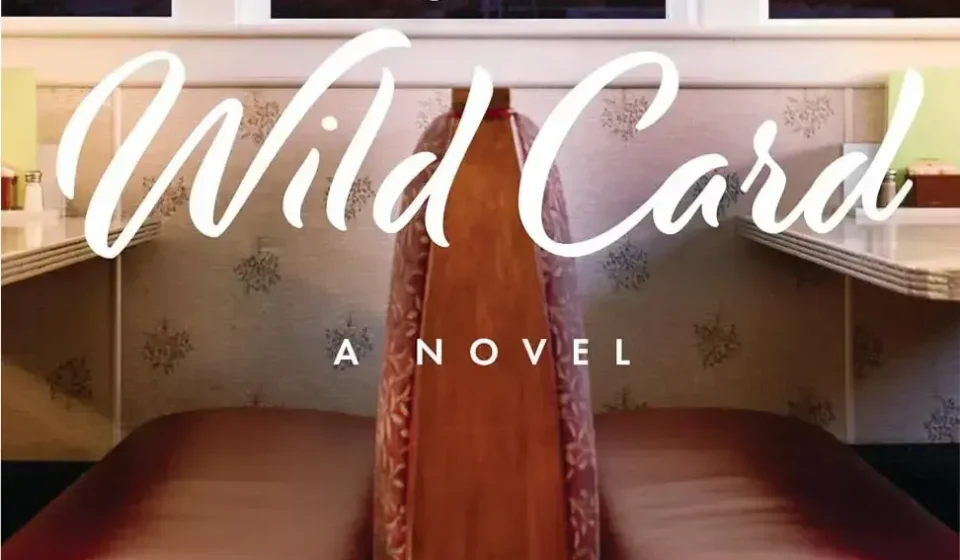
Carolyn Brown explores this friction in “The Wild Card,” where the thrill of the poker table clashes with the grounding reality of a dusty Texas diner. If you are looking for a story that balances the adrenaline of risk with the quiet comfort of belonging, you can check the current reader reception and availability here.
Ready to dive into “The Wild Card”?
Explore available editions, check current live pricing, or download a free sample directly on Amazon.
Preview Free Sample & Check Price on Amazon
*You will be redirected to Amazon. As an Amazon Associate, we may earn from qualifying purchases.
The Anatomy of the “Reset” Narrative
The “fish out of water” trope is a staple in contemporary romance, but Brown applies it with a specific psychological layer here. Carla Wilson isn’t just a stranger in a small town; she is a professional poker player. Her entire identity is built on reading people, calculating odds, and maintaining a “poker face.”
When she inherits the Tumbleweed Bus Stop and Diner, the narrative shifts from a game of strategy to a game of vulnerability. The conflict isn’t about whether she can run a business—it’s about whether she can stop calculating the exit strategy.
The pacing reflects this transition. The story starts with a sense of urgency and desperation (the SUV running on fumes), then gradually slows down to the rhythm of a Texas morning. It mimics the process of decompression that happens when someone finally stops running from their own life.
| Technical Aspect | Analytical Verdict |
|---|---|
| Narrative Pace | Slow-burn, mirroring the protagonist’s emotional opening. |
| Character Arc | Strong transition from isolation to community integration. |
| Setting Depth | Texas is a character itself, providing the necessary grounding. |
| Emotional Payoff | High, focusing on “found family” rather than just romantic tension. |
Writing Style: The Comfort of the Familiar
Carolyn Brown doesn’t try to reinvent the wheel. Her prose is clean, accessible, and designed for high readability. She focuses on sensory details—the smell of the kitchen, the heat of the Texas sun, the specific look in Jackson Armstrong’s eyes—to build an immersive atmosphere.
Skeptics might call this “formulaic,” but in the romance genre, the formula is often the point. Readers come to Brown for the “warm blanket” effect. The writing doesn’t challenge you with complex metaphors; it invites you to relax into a world where things eventually work out.
The dialogue is where the book breathes. The interactions between Carla and the diner staff provide a necessary counterweight to the romantic tension with Jackson. These supporting characters prevent the story from becoming a two-person vacuum, adding layers of humor and maternal wisdom.
“Maybe Lady Luck knew exactly what she was doing from the start.”
This line encapsulates the book’s philosophy: the idea that our failures are often just redirections toward something we didn’t know we needed. It’s a comforting sentiment that resonates deeply with readers who have faced their own “dry spells” in life.
The Chemistry: Strategy vs. Sincerity
The dynamic between Carla and Jackson Armstrong is a classic study in opposites. You have the wanderer (Carla) and the anchor (Jackson). Jackson, as the heir to an oil family and an ex-military man, represents the stability Carla has spent her life avoiding.
The tension isn’t built on misunderstandings or toxic drama, which is a refreshing choice. Instead, the tension comes from Carla’s internal struggle. She is used to playing for keeps in a game where someone always loses. Love, however, is a cooperative game.
Real-world feedback from Goodreads and Amazon suggests that readers particularly appreciate the “healthy” nature of the romance. In an era of “dark romance”
Who Should Actually Read This Book?
The Wild Card isn’t trying to reinvent the romance genre. It’s a specialized “comfort read.”
This is for the reader who craves the “fish out of water” trope. If you enjoy narratives where a high-stress professional (in this case, a poker player) is forced to slow down in a small Texas town, this hits the mark.
It appeals specifically to fans of Hallmark-style storytelling: cozy settings, supportive community ensembles, and a slow-burn romance with a “stable” male lead.
Who Should Skip It?
Avoid this book if you are looking for a technical dive into professional poker or a gritty, realistic portrayal of gambling addiction.
If your taste leans toward complex, plot-driven thrillers or subversive literary fiction, the predictable beats of this romance will likely feel too simplistic. It’s a heartwarming journey, not a psychological puzzle.
Value for Money: An Analytical Perspective
At 270 pages, the investment is low. The “value” here isn’t in groundbreaking prose, but in emotional efficiency.
You are paying for a guaranteed mood lift. For Kindle readers, it’s a quick, low-friction experience. The ROI is found in the “feel-good” factor rather than intellectual challenge.
Common Purchasing Misstep: Buying this expecting a high-stakes gambling drama. This is a romance novel where poker is the catalyst, not the core subject.
Quick Contextual FAQ
- Is it a standalone? Yes, it functions as a complete emotional arc.
- Is the romance explicit? It follows the heartfelt, romantic style typical of Carolyn Brown—focusing more on emotional connection than graphic detail.
- Is the setting authentic? It delivers the idealized, “sunny” version of small-town Texas.
Editorial Conclusion
Carolyn Brown knows her audience. She delivers a polished, predictable, and satisfying narrative that fulfills every promise of the small-town romance genre.
While it doesn’t break new ground, it executes the “finding home” theme with precision. It’s the literary equivalent of a warm blanket: not exciting, but exactly what you need after a stressful week.
To see how other readers rated the pacing and character development, you can check the latest user reviews and live discounts on Amazon.
Final Editorial Verdict
“The Wild Card” delivers on its core promise for its intended audience, offering compelling insights without fluff. As highlighted in our detailed edition breakdown, its practical depth and readability are its greatest strengths.
We also recommend checking the official Kindle sample and reader ratings before making your final purchase decision.
*You will be redirected to Amazon. As an Amazon Associate, we earn from qualifying purchases.