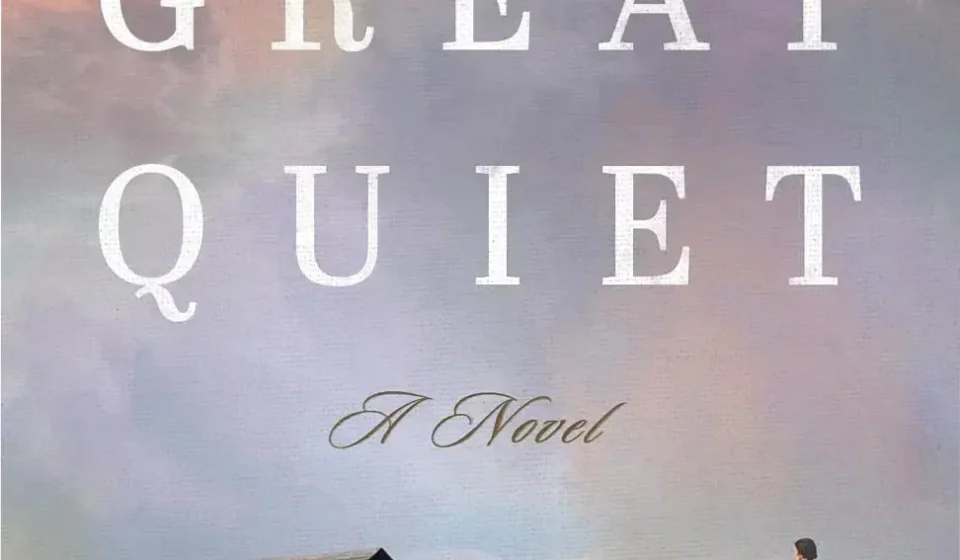

Most people view the “American Dream” as a linear path toward success, but the historical reality was often a brutal lottery of survival. We romanticize the frontier as a place of absolute freedom, forgetting that solitude in the 19th century wasn’t a lifestyle choice—it was a dangerous gamble where the cost of a mistake was often death.
For readers seeking a narrative that balances the grit of survival with the weight of ancestral trauma, In the Great Quiet offers more than just a period piece. It challenges the trope of the pioneer woman, replacing the sanitized version of history with a protagonist haunted by secrets. You can check the current reader reception and availability on Amazon to see how this survival epic resonates with modern audiences.
Ready to dive into “In the Great Quiet”?
Explore available editions, check current live pricing, or download a free sample directly on Amazon.
Preview Free Sample & Check Price on Amazon
*You will be redirected to Amazon. As an Amazon Associate, we may earn from qualifying purchases.
Atmospheric Pacing and the “Quiet” of Survival
The title isn’t just poetic; it’s a structural blueprint. Laura Vogt doesn’t rush the narrative. She allows the silence of the Oklahoma frontier to press against the reader, mimicking the isolation Minnie Hoopes feels.
The pacing is deliberate. It mirrors the seasonal grind of homesteading. You feel the heat of the land rush and the biting cold of the winter. This isn’t a fast-paced thriller, despite the presence of gunfighters.
It’s a slow-burn character study. The tension doesn’t come from constant action, but from the looming threat of Minnie’s past catching up to her. It’s a psychological pressure cooker set in a wide-open space.
“Minnie raced into the Wild West alone, but her grandest journey in the frontier wilderness is one she never saw coming.”
This quote encapsulates the book’s core movement: the transition from physical survival to emotional reconciliation. The “Quiet” is where the real battle happens.
Minnie Hoopes: Breaking the Pioneer Archetype
Minnie is not your typical historical romance lead. She is tenacious, fiercely independent, and—crucially—morally grey. She has blood on her hands.
Most authors would make the “secret” a hidden romance or a family scandal. Vogt goes darker. By giving Minnie a violent history, she elevates the stakes from social embarrassment to legal and moral survival.
Her relationship with Stot is a highlight. It avoids the cliché “instant love” trap. Their bond is forged in mutual understanding of what it means to be an outcast. It’s a friendship of necessity that evolves into something deeper.
The internal conflict is where the book shines. Minnie wants peace, but she doesn’t believe she deserves it. This makes her journey towards “home” a spiritual quest rather than just a quest for land ownership.
Historical Accuracy vs. Narrative Drama
Based on the author’s great-great-grandparents, the book carries an authenticity that purely fictional accounts often lack. The 1893 Oklahoma land rush is depicted not as a grand adventure, but as a chaotic, desperate scramble.
The technical details of frontier life—the shelter, the weather, the sheer brutality of the terrain—are handled with precision. Vogt doesn’t sugarcoat the hardship.
However, the “Outlaw Country” elements occasionally lean into genre tropes. The gunfighter encounters feel slightly more “cinematic” than the grounded descriptions of farming.
Still, this balance works. It keeps the reader engaged during the slower, more contemplative stretches of the narrative. It provides the necessary friction to keep the plot moving forward.
| Analytical Metric | Score (1-10) | Verdict |
|---|