
Modern readers are increasingly exhausted by sanitized versions of mythology. We’ve moved past the era of “heroic” figures; today’s audience craves the “villain era,” where female rage and moral ambiguity take center stage over traditional virtue.
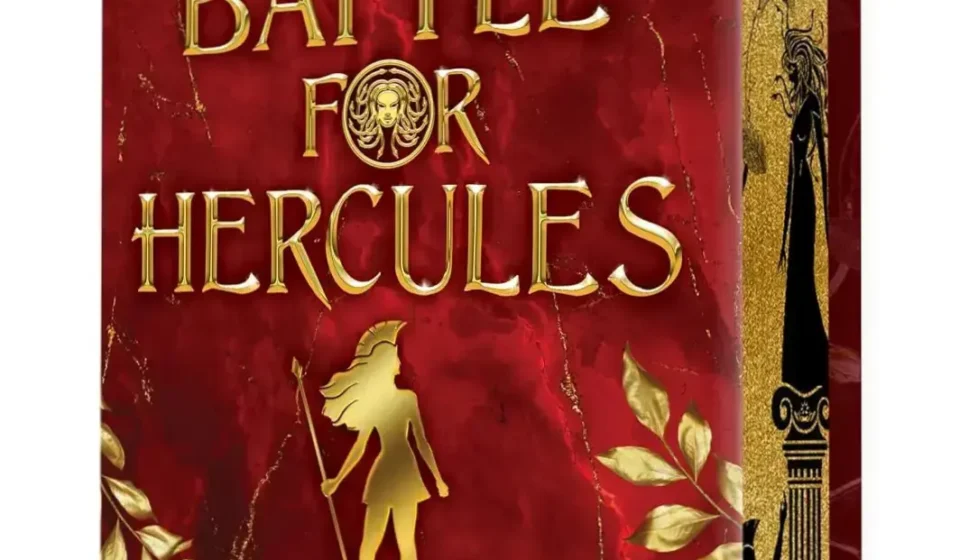
This shift is precisely why the Villains of Lore series exploded on TikTok. It taps into a collective desire for stories that don’t apologize for their darkness. If you are tracking the current momentum of the romantasy genre, you can check the availability of Battle for Hercules to see how this finale is being received by the community.
The challenge for any third installment is avoiding the “climax slump.” Readers expect the tension built over two books to explode, but they also fear the resolution will be too neat. Jasmine Mas is walking a tightrope here: balancing a complex war involving Titans and Zeus with the intimate, often toxic, chemistry of her lead characters.
Ready to dive into “Battle for Hercules”?
Explore available editions, check current live pricing, or download a free sample directly on Amazon.
Preview Free Sample & Check Price on Amazon
*You will be redirected to Amazon. As an Amazon Associate, we may earn from qualifying purchases.
The “TikTok Pace” and Narrative Velocity
Jasmine Mas writes for the digital age. The pacing in Battle for Hercules is designed for high dopamine. We aren’t dealing with the slow, meditative build of classic literature; this is a sprint.
The narrative structure relies heavily on short, punchy chapters and cliffhangers that mirror a social media feed. For some, this is an addictive quality. For others, it can feel breathless, leaving little room for the characters to breathe between bouts of violence and passion.
However, this velocity serves a purpose. In a story about “psychological torment” and war, the lack of stillness reflects the characters’ own instability. You don’t just read the stress; you feel the urgency.
“I’m Hercules, and it’s time for war.” — This opening tone sets a precedent for the rest of the book. It is direct, aggressive, and devoid of subtlety.
The Architecture of Forced Proximity
The “forced proximity” trope is the engine of this book. Placing Medusa and her “bodyguards” in the high-pressure environment of Rhodes Olympian University is a classic move, but it’s executed with a specific, dark academia twist.
The tension isn’t just romantic; it’s territorial. The “rivals to lovers” dynamic here is pushed to the extreme. The hatred is palpable, which makes the inevitable shifts in loyalty feel earned rather than forced.
From a critical perspective, the “Who did this to you?” trope is used as a primary emotional trigger. It’s a powerful tool for conversion in the romantasy market because it bridges the gap between a character’s brutality and their capacity for protectiveness.
| Trope | Execution Level | Impact on Plot |
|---|---|---|
| Forced Proximity | High | Drives psychological conflict |
| Who This Book Is Actually For
Battle for Hercules isn’t a textbook on Greek mythology; it’s a high-octane exercise in tension and “female rage.” If your reading habits are driven by BookTok trends, dark academia aesthetics, and the specific thrill of morally gray characters who are as dangerous as they are devoted, this is your target zone. The ideal reader is someone who prioritizes atmospheric world-building and psychological friction over a linear, traditional plot. If you crave the “who did this to you?” trope and the claustrophobia of forced proximity, the dynamic between Medusa and her bodyguards will hit the mark. Who Should Skip ItAvoid this book if you fall into these categories:
Value Analysis: Deluxe Edition vs. NarrativeThe “Deluxe Limited Edition” is a collector’s play. From a purely narrative standpoint, the story is the same regardless of the cover. However, the gold sprayed edges and stamped foil casing transform the book into a physical artifact. For bibliophiles, this adds significant value; for the casual reader, it’s an expensive luxury. The real value lies in the closure of the Villains of Lore trilogy. It’s a massive conclusion that doesn’t shy away from the violence or the emotional wreckage established in the previous installments. Editorial ConclusionJasmine Mas has crafted a climax that leans heavily into its strengths: atmosphere, angst, and aggression. While the pacing can occasionally feel bogged down by the sheer volume of character drama, the payoff for those invested in the trilogy’s mythology is substantial. It is a visceral conclusion to a series that knows exactly how to manipulate its audience’s emotions. If you’re ready to see if Medusa and Hercules survive the carnage, you can check current pricing and reader availability here. Final Editorial Verdict“Battle for Hercules (Deluxe Limited Edition)” delivers on its core promise for its intended audience, offering compelling insights without fluff. As highlighted in our detailed edition breakdown, its practical depth and readability are its greatest strengths. We also recommend checking the official Kindle sample and reader ratings before making your final purchase decision. *You will be redirected to Amazon. As an Amazon Associate, we earn from qualifying purchases. 
|