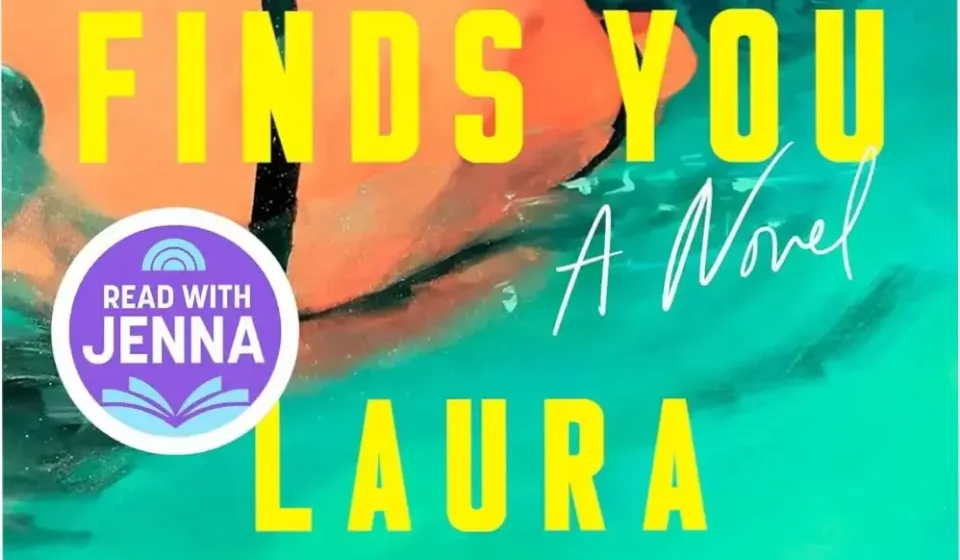

Most of us carry a ghost from our teenage years—a first love that didn’t just end, but collided with the reality of who we were supposed to be. We often mistake these memories for simple nostalgia, but in reality, they are blueprints. They dictate how we trust, how we fear betrayal, and how we define our own worth decades later.
When a novel promises a “propulsive summer read,” the skeptical reader usually expects a lightweight romance with a predictable arc. However, Sunlight Finds You positions itself as something more surgical. It isn’t just about a forbidden spark in 1949 Florida; it is an autopsy of a life shaped by a single, devastating mistake.
Ready to dive into “Sunlight Finds You”?
Explore available editions, check current live pricing, or download a free sample directly on Amazon.
Preview Free Sample & Check Price on Amazon
*You will be redirected to Amazon. As an Amazon Associate, we may earn from qualifying purchases.
Atmospheric Pacing vs. Narrative Tension
Laura Moriarty is a master of the “slow burn” that actually moves. The setting—St. Petersburg, Florida, in 1949—isn’t just a backdrop; it’s a character. The heat, the lush greenery, and the booming postwar optimism create a sensory overload that mirrors Nora’s own teenage awakening.
But don’t let the “sunlight” in the title fool you. The pacing is designed to lure you into a sense of security before introducing the Cold War-era paranoia. The tension doesn’t come from external explosions, but from the internal friction of class and suspicion.
The prose is lean. Moriarty avoids the purple prose common in historical fiction, opting instead for a directness that makes the emotional beats hit harder. When the betrayal finally arrives, it doesn’t feel like a plot twist; it feels like an inevitability.
The Architecture of Memory: The Dual-Perspective
The most critical technical decision in the book is the narrative voice. We aren’t just experiencing 1949 through a naive seventeen-year-old. We are hearing the story from a mature Nora.
This creates a sophisticated layer of irony. The older Nora is “wiser and more worldly,” which allows the reader to analyze the events in real-time. We see the red flags that the younger Nora ignores, transforming the story from a simple romance into a study of psychological growth.
This structure prevents the book from falling into the “tragic teen” trope. Instead, it becomes a meditation on how we rewrite our own histories to survive. The “honest but compassionate account” Nora promises is the real engine of the novel.
| Metric | Analysis | Verdict |
|---|---|---|
| Emotional Weight | High; deals with exile and lifelong regret. | Heavy |
| Pacing | Steady build-up with a propulsive second half. | Balanced |
| Historical Accuracy | Strong depiction of 1950s social hierarchies. | Authentic |
| Character Depth | Nora’s evolution is the focal point. | Deep |
Forbidden Love and the Class Divide
The relationship between Nora and Leonard is a classic study in opposites. Leonard is the “shy, brilliant
Who This Book Is Actually For
Sunlight Finds You isn’t a generic romance. It is a study of emotional residue. If you enjoy historical fiction that prioritizes psychological depth over plot twists, this is your territory.
The ideal reader:
- Fans of “Read with Jenna” selections who appreciate atmospheric, character-driven narratives.
- Readers who enjoy the “older narrator reflecting on youth” trope, where wisdom filters the memory.
- Anyone who liked Laura Moriarty’s The Chaperone and seeks a similar blend of period detail and human fragility.
Who Should Probably Skip It
If you are looking for a fast-paced, high-stakes thriller or a lighthearted “beach read” with a guaranteed happy ending on page 100, look elsewhere. This is a slow-burn exploration of sacrifice and betrayal.
Avoid this if you find “coming-of-age” stories tedious when they span several decades or if you prefer contemporary settings without the constraints of 1950s social norms.
Value Analysis & Realistic Expectations
At 464 pages, the hardcover is a commitment. You aren’t paying for a quick manual on love; you are paying for a richly layered immersion into 1949 Florida.
Common purchasing missteps: Don’t mistake the “sunlight” in the title for a lack of gravity. The narrative is “drenched in light,” but it deals with exile and the crushing weight of secrets. It is a mature novel masquerading as a teenage romance.
Quick Verdict FAQ
Is it a “quick read”? No. It is propulsive, but the emotional weight requires pacing.
Does it deliver on the “forbidden love” trope? Yes, but it focuses more on the consequences of that love than the romance itself.
Is the prose accessible? Highly. Moriarty maintains a balance between literary sophistication and conversational flow.
Ultimately, the book succeeds because it refuses to settle for a superficial resolution. It asks if forgiveness is possible after a lifetime of distance. To see how other readers have reacted to the ending or to check current pricing, you can explore the verified reviews on Amazon.
Final Editorial Verdict
“Sunlight Finds You” delivers on its core promise for its intended audience, offering compelling insights without fluff. As highlighted in our detailed edition breakdown, its practical depth and readability are its greatest strengths.
We also recommend checking the official Kindle sample and reader ratings before making your final purchase decision.
*You will be redirected to Amazon. As an Amazon Associate, we earn from qualifying purchases.