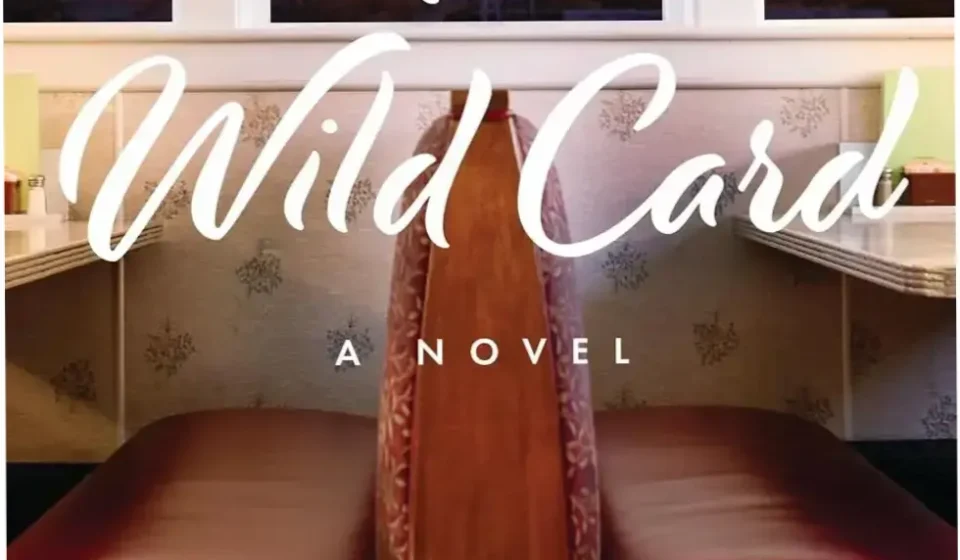

Most people treat their lives like a high-stakes poker game, holding onto a losing hand while praying for a miracle card. We have all experienced that suffocating moment where the luck runs dry, and the only thing left is a desperate need for a pivot. The struggle isn’t just about financial loss; it is the psychological weight of feeling like a stranger in your own life.
Carolyn Brown’s The Wild Card dives straight into this void. It explores the friction between a nomadic, risk-heavy existence and the terrifying stability of “home.” For readers seeking a narrative that balances emotional recovery with a slow-burn romance, exploring the available editions of this novel reveals a story designed to soothe the anxiety of starting over.
The book doesn’t try to reinvent the wheel of the “small-town redemption” genre. Instead, it focuses on the precise moment a professional gambler realizes that the biggest win isn’t a pot of gold, but a sense of belonging. It addresses the universal fear of being “all in” on a person or a place, only to be folded by fate.
Ready to dive into “The Wild Card”?
Explore available editions, check current live pricing, or download a free sample directly on Amazon.
Preview Free Sample & Check Price on Amazon
*You will be redirected to Amazon. As an Amazon Associate, we may earn from qualifying purchases.
The Pacing of a Slow Burn: Poker vs. Texas Time
The narrative structure of The Wild Card is built on a sharp contrast. We start with the frantic, cold energy of professional poker—a world of bluffing, isolation, and temporary wins. Then, Brown pivots the reader into the humid, slow-motion atmosphere of a Texas roadside diner.
This shift in pacing is intentional. The reader feels Carla’s initial irritation with the slow pace of small-town life. It mirrors her internal resistance to slowing down and actually feeling her emotions. The prose reflects this, moving from tight, clipped descriptions of her losses to more expansive, sensory-rich descriptions of the Tumbleweed Bus Stop and Diner.
Some critics on Goodreads argue that the middle section drags, but that is the point. The “drag” is the process of assimilation. You cannot rush a character who has spent her entire life running; she has to be worn down by the kindness of strangers before she can accept it.
Character Architecture: The “Poker Face” Deconstruction
Carla Wilson is a textbook study in emotional shielding. Her “poker face” isn’t just a professional tool; it is her primary defense mechanism against the world. The brilliance of the character arc lies in how this shield is systematically dismantled—not by a grand tragedy, but by the mundane persistence of community.
The supporting cast serves as the catalyst for this change. The motherly cook and the sunny waitress aren’t just tropes; they represent the “unconditional” support Carla has lacked. They don’t care about her win-loss record; they care if she can handle a skillet or a rush of hungry travelers.
Then there is Jackson Armstrong. As an ex-military heir, he provides the perfect foil to Carla. He understands discipline and structure, yet he possesses a warmth that challenges Carla’s cynicism. Their chemistry is built on mutual recognition—two people who have lived under the pressure of high expectations, finally finding a space where they can just be.
“True friendship, a place to belong, and a love worth going all in for.”
This quote summarizes the core thematic transition. The book moves from the language of gambling (risk, loss, bets) to the language of investment (belonging, friendship, commitment).
Technical Breakdown: Reader Experience Scorecard
To understand how this book sits in the current market, we have to look at the data. With over 8,000 ratings on Amazon and a strong presence on Goodreads
Who This Book Is Actually For
The Wild Card isn’t trying to reinvent the romance genre. It’s a precise execution of the “fish out of water” and “found family” tropes. If you enjoy stories where a cynical protagonist is softened by the genuine kindness of small-town residents, this fits your profile.
It appeals specifically to readers who prioritize emotional comfort over plot complexity. The attraction here isn’t the high-stakes tension of a poker tournament, but the slow-burn realization that stability is more valuable than the next big win.
Who Should Skip It
Avoid this book if you are looking for:
- Technical Poker Insights: Despite the protagonist’s profession, this is a romance novel, not a strategy guide. If you expect a deep dive into Texas Hold’em tactics, you’ll be disappointed.
- Gritty Realism: This is a “heartfelt” narrative. It leans into the idealized version of small-town Texas. If you prefer dark, cynical, or subversive romance, the sweetness here will feel cloying.
- Fast-Paced Thrillers: The rhythm is conversational and steady, focusing on character growth rather than rapid-fire plot twists.
Value Analysis: Is It Worth Your Time?
At 270 pages, the book is a “palate cleanser.” It provides high emotional ROI for a low time investment. You aren’t paying for a sprawling epic; you’re paying for a specific mood—warmth, belonging, and a predictable, satisfying resolution.
The common purchasing mistake here is expecting a complex character study. This is a genre piece. Its value lies in its ability to deliver exactly what the cover promises without unnecessary fluff.
Quick Editorial FAQ
Is the romance rushed?
No. It follows a traditional slow-burn trajectory, allowing the setting to act as a catalyst for the relationship.
Does the “poker” element matter?
Thematically, yes. It serves as a metaphor for risk and reward, but it doesn’t drive the plot’s technical direction.
Is the ending predictable?
Highly. But in this sub-genre, predictability is often a feature, not a bug. It provides the “feel-good” closure the target audience craves.
Final verdict: It’s a reliable, cozy read that executes its tropes with professional efficiency. If you’re in the mood for a low-stress escape, you can check current reader ratings and pricing on Amazon to see if it fits your current library needs.
Final Editorial Verdict
“The Wild Card” delivers on its core promise for its intended audience, offering compelling insights without fluff. As highlighted in our detailed edition breakdown, its practical depth and readability are its greatest strengths.
We also recommend checking the official Kindle sample and reader ratings before making your final purchase decision.
*You will be redirected to Amazon. As an Amazon Associate, we earn from qualifying purchases.