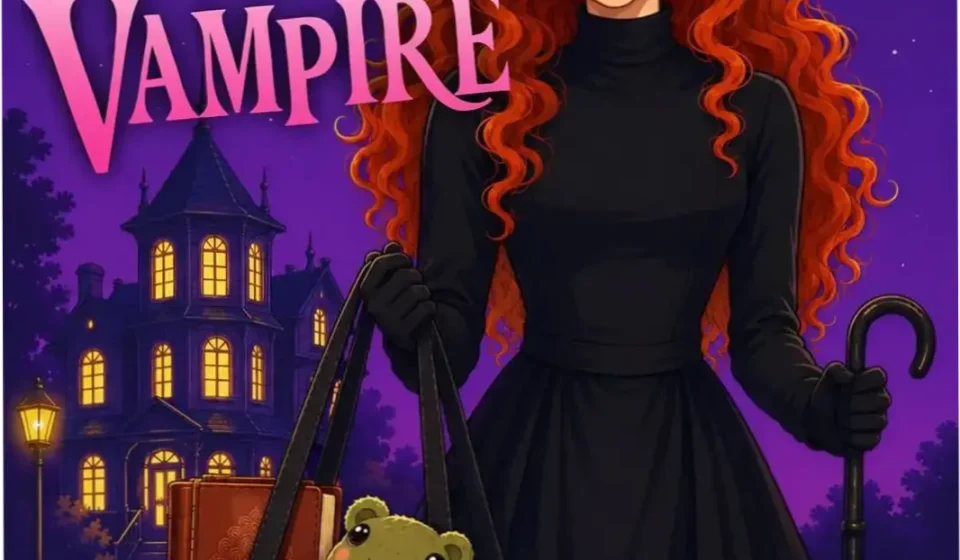

Parenting is often described as a chaotic dance, but for some, it feels more like a war of attrition. The struggle to find a caregiver who doesn’t flee at the first sign of a temper tantrum or a rogue cricket is a relatable nightmare for any exhausted parent, let alone a grieving widower.
When the “nanny carousel” becomes a revolving door of failures, readers expect a savior, but they rarely expect one with a two-hundred-year-old secret and a coffin in the backyard. Our Nanny is a Vampire enters the workplace romance genre not just as a paranormal gimmick, but as a study on how the right kind of “outsider” can heal a fractured home.
The market for “grumpy x sunshine” tropes is saturated, yet this narrative pivots by replacing the typical bubbly optimist with an unbothered, immortal entity. It asks a poignant question: can someone who has seen centuries of loss provide the stability needed for a family currently drowning in it?
Ready to dive into “Our Nanny is a Vampire”?
Explore available editions, check current live pricing, or download a free sample directly on Amazon.
Preview Free Sample & Check Price on Amazon
*You will be redirected to Amazon. As an Amazon Associate, we may earn from qualifying purchases.
The Architecture of Chaos: Pacing and Writing Style
Lindsey Devin and Roxie Ray employ a rhythmic contrast that mirrors the plot. The prose shifts between the frantic, high-energy chaos of Conrad’s household and the cool, detached serenity of Winnie’s internal monologue.
This isn’t a fast-paced thriller; it’s a slow-burn domestic. The pacing is intentional, allowing the reader to feel the weight of Conrad’s exhaustion before introducing the supernatural relief that Winnie provides.
Some skeptics might find the 567-page length daunting for a romance, but the bulk is used to build a believable “found family” dynamic. The authors avoid the common mistake of rushing the romance at the expense of the children’s character arcs.
| Technical Element | Execution Analysis | Impact on Reader |
|---|---|---|
| Pacing | Slow-burn, domestic-focused | Increases emotional payoff |
| Tone | Humorous yet melancholic | Balances “fluff” with real grief |
| Dialogue | Sharp, conversational, witty | High engagement and relatability |
The “Unbothered” Archetype: Breaking the Nanny Trope
The “Nanny” trope usually involves a young woman who “fixes” a broken man through sheer optimism. Winnie flips this script. She doesn’t fix Conrad with cheerfulness; she fixes the environment with indifference to the chaos.
Because Winnie is two hundred years old, the “creatively hostile” behavior of children is a blink of an eye to her. This creates a fascinating power dynamic where the adult in the room is actually the one with the least amount of stress.
The tension doesn’t come from “will they, won’t they” in a vacuum, but from the clash of timelines. You have a man trapped in the grief of the last three years and a woman who has spent two centuries running from her own ghosts.
“Winnie has survived two hundred years by never staying long enough to be found. But this house… [is] the first thing she’s wanted to keep.”
This internal conflict elevates the story from a simple workplace romance to a narrative about the courage required to be seen—and the terror of being known.
Reader Sentiment: The Goodreads and Amazon Consensus
With a 4.6-star rating on Amazon and a strong presence on Goodreads, the general consensus is that the “found family” element is the book’s strongest asset. Readers frequently mention that the children feel like real characters, not just plot devices.
A recurring theme in verified reviews is the “comfort read” quality. Many readers describe the book as a “warm blanket,” despite the vampire element. The supernatural aspects serve as a backdrop for emotional healing rather than a source of horror.
However, a minority of critical reviews point to the length. For those seeking a quick, steamy romp, the detailed exploration of domesticity and grief might feel like a detour. But for the target audience—lovers of slow-burn and emotional depth—this is a feature, not a bug.
Expectation vs. Reality: The Supernatural Balance
Entering this book,
Who Should Actually Read This?
This isn’t your typical gothic vampire tragedy. If you are looking for brooding castles and blood-soaked battlefields, look elsewhere. Our Nanny is a Vampire is a surgical blend of workplace romance and domestic chaos.
The ideal reader profile fits someone who craves the “grumpy x sunshine” dynamic but prefers the “unbothered” variation. It appeals specifically to those who enjoy:
- Found Family Tropes: The emotional payoff of a broken father and relentless children finding stability.
- Slow-Burn Tension: The narrative doesn’t rush the chemistry; it lets the grief and the centuries of isolation breathe.
- Low-Stakes Supernatural: Where the “vampire” element serves more as a character catalyst than a plot device for horror.
The “Skip” List: Who Should Pass?
Avoid this book if you have a low tolerance for “fluff” or slow pacing. At 567 pages, this is a commitment. If you expect a high-octane paranormal thriller or a quick, steamy romp, you will likely find the pacing frustrating.
Purists who demand rigorous vampire lore (rules on sunlight, garlic, and transformations) might find the approach too casual. This is a romance first, a supernatural story second.
Value Analysis & Reality Check
From a value-for-money perspective, the page count suggests a deep dive into character development. You aren’t paying for a thin novella; you’re getting a full-scale emotional arc. However, the risk with “slow-burn” narratives of this length is the “middle-slump”—where the domesticity outweighs the plot progression.
The most common purchasing mistake here is treating this as a light beach read. While the tone is conversational, the themes of grief and centuries-old loneliness add a layer of weight that requires a different headspace than a standard rom-com.
Editorial Verdict
The book succeeds because it anchors the supernatural in the mundane. The contrast between a 200-year-old entity and the chaos of children releasing crickets into suitcases creates a natural, rhythmic humor that prevents the grief from becoming oppressive.
It is a polished, emotionally resonant piece of genre fiction that delivers on the “comfort read” promise while maintaining enough tension to keep the pages turning. For those ready to invest in a slow-burn emotional payoff, it’s a high-value addition to the Kindle library. You can verify the current reader sentiment and check live discounts on Amazon.
Final Editorial Verdict
“Our Nanny is a Vampire” delivers on its core promise for its intended audience, offering compelling insights without fluff. As highlighted in our detailed edition breakdown, its practical depth and readability are its greatest strengths.
We also recommend checking the official Kindle sample and reader ratings before making your final purchase decision.
*You will be redirected to Amazon. As an Amazon Associate, we earn from qualifying purchases.